Imagine stepping outside after a warm spring rain and noticing soft, ash-gray patches where green should be. You feel the damp air and wonder if your yard is sick. That small worry is the start of getting things back on track.
We’ll walk you through what causes a lawn disease and what you can do right away. The problem usually needs three things: a susceptible grass, a pathogen like a fungus, and the right wet, warm conditions.
Expect calm, practical steps: simple checks, friendly timing tips, and easy tools you already own. You’ll learn to spot seasonal signs — from snow-melt marks in spring to orange dust on shoes in late summer — and to test soil and airflow where patches appear.
By the end of this guide, you’ll know when to water in the morning, when to sharpen your mower blade, and when a targeted treatment makes sense. Small changes now help steady growth and keep your grasses healthy.
Key Takeaways
- Look for seasonal signs: spring snow-melt spots, summer orange dust, or faint musty smells.
- Break the disease triangle: improve drainage, reduce thatch, and ease compaction.
- Water deeply in the morning and mow with a sharp blade to encourage healthy growth.
- Use a soil test before feeding and choose resistant grasses when overseeding.
- Small, timely steps prevent small problems from becoming big patches.
Quick visual checks to spot problems fast
A quick walk with your morning coffee can tell you more than an hour of guessing. Use your eyes, fingers, and a phone magnifier to note small changes in color, texture, and patch pattern.
What to look for at a glance
- Color cues: pale tan spots the size of a silver dollar often signal dollar spot. Dusty orange flecks that rub off point to rust after humid weather.
- Patch shape: thin, straw-colored areas with coral-pink threads at tips usually mean red thread; these patches can be 3–6 inches and merge.
- Texture shifts: a white powder on shaded leaves suggests powdery mildew; greasy, water-soaked mats hint at Pythium blight.
Touch, sniff, and confirm
Gently rub a spot: orange spores will stain fingers. Tug a tuft—if crowns lift easily, the problem may be advanced. Use a pocketknife to slice a blade or your phone magnifier to check hourglass-shaped lesions.
"Morning checks after dew reveal cottony webs and subtle odors that vanish by noon."
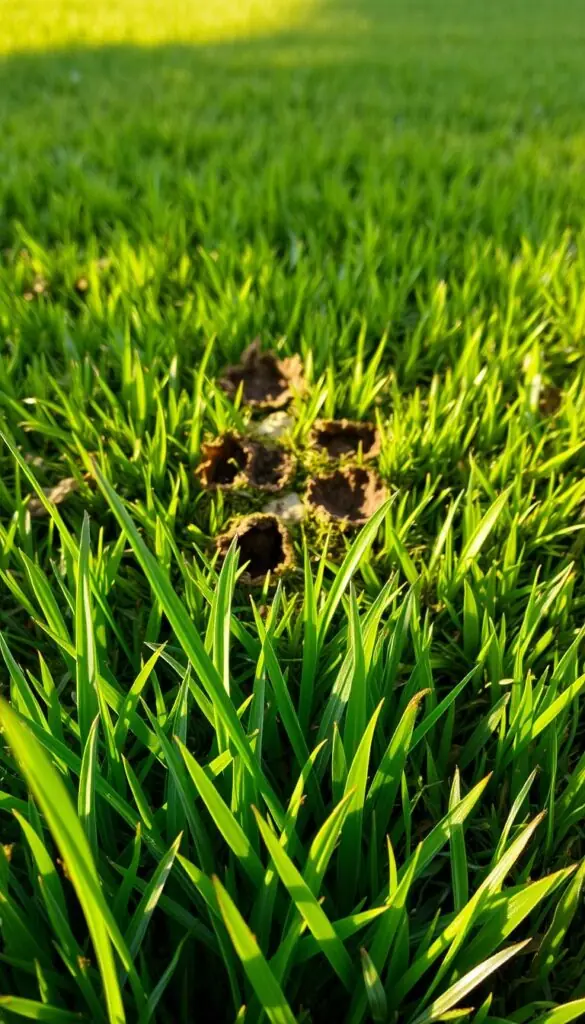
| Sign | Likely ID | Quick test |
|---|---|---|
| Silver-dollar tan spots | Dollar spot | Check leaf lesions with magnifier |
| Coral-pink threads, small patches | Red thread | Measure strands (~1/2 inch) and patch size |
| Orange dust that rubs off | Rust | Rub on sleeve to confirm smear |
| Greasy, matted turf with musty smell | Pythium blight | Smell and tug crowns; check drainage |
Understanding lawn fungus and the “disease triangle”
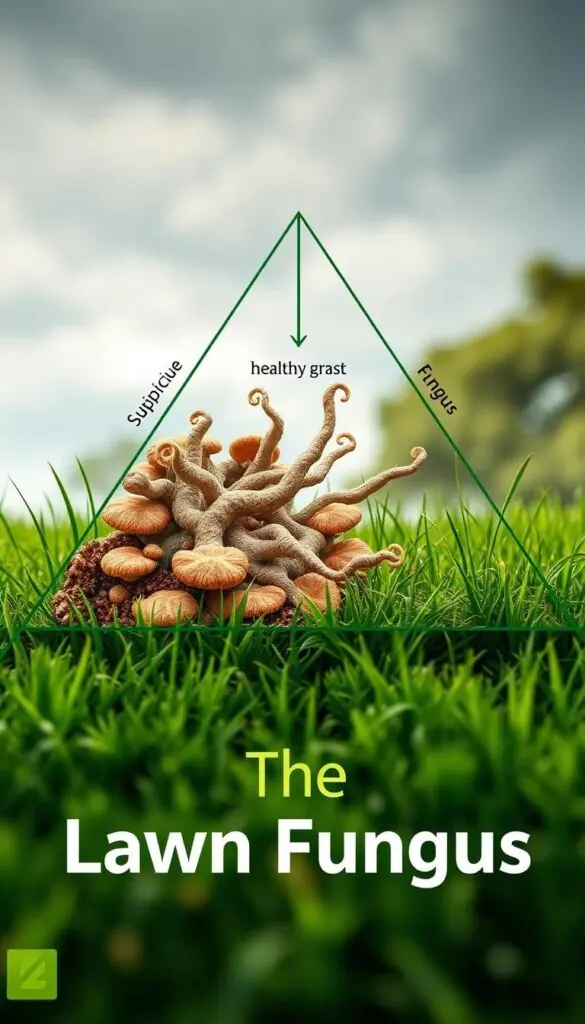
Think of disease as a simple recipe: a willing host, a hidden pathogen, and just the right weather to set it off. When those three parts meet, outbreaks can start fast.
Host, pathogen, and the role of the environment
Your grasses are the host. Some types, like Kentucky bluegrass, are more prone to summer patch. Pathogens—often spores carried by wind, water, or foot traffic—wait in the soil and thatch.
If temperatures are warm, humidity high, and leaves stay wet, spores germinate and invade tender crowns. Tight, compacted soil and thick thatch trap moisture and lengthen leaf wetness, making conditions perfect for a fungal disease.
Seasonal cues and quick prevention
- Spring: snow-melt can leave bleached, matted spots—watch for snow mold.
- Summer: warm, soupy nights favor brown patch and dollar spot.
- Fall: long dews and slowing growth invite rust and dusty spores.
Prevention is practical: water deeply in the morning, mow with a sharp blade, aerate compacted areas, and dethatch if the layer is over 1/2 inch. These small steps change the environment and help keep disease at bay.
Identify by season: what shows up in spring, summer, and fall
Each season brings a different set of problems; noticing timing helps you act faster and smarter.
Spring and cool, wet spells
Look for bleached, matted areas after long snow cover—those are classic signs of snow mold. Light raking on a sunny day helps the turf breathe and recover.
Red thread shows as coral to deep red threads on browned blades during cool, humid stretches. A light, balanced feed often lets the grass outgrow the issue.
Tiny purplish lesions that widen into thin, shabby spots mean leaf spot may be turning into melting out as temperatures climb. Powdery white films in shady corners point to powdery mildew; increase air and skip late watering.

Early summer to hot, humid weather
Dollar spot begins as silver-dollar patches and hourglass lesions on blades. Switch to deep morning watering and sharpen your mower blade to cut infection routes.
Brown patch can form circular rings that go tan fast in high humidity. Raise mowing height and space irrigation so leaves dry between cycles.
After warm rains, greasy streaks, cottony mycelium, and a musty smell at dawn often mean Pythium blight—stop nighttime irrigation and improve drainage in those areas immediately.
Late summer into fall
In late summer and fall you may notice orange dust that rubs off—rust spores. Regular mowing and balanced feeding help push new, healthy leaves.
In warm, rainy regions gray leaf spot can linger on warm-season grasses into fall. Thin dense growth to boost airflow and monitor lesions closely.
| Season | Common signs | Quick action |
|---|---|---|
| Spring | Bleached, matted turf; red threads; powdery films | Rake lightly, improve drainage, light feeding |
| Summer | Silver-dollar patches; greasy collapse; tan rings | Deep morning watering, raise mower, stop night irrigation |
| Fall | Orange spores; persistent gray lesions | Balanced feed, thin dense areas, overseed if needed |
Diagnose by grass type and site conditions
Start by matching the grass in your yard to the likely problems it faces this season. That simple step narrows what you test and how you act.
Cool-season tips
Kentucky bluegrass often shows summer patch in midsummer and necrotic ring spot in spring. Look for frog-eye rings—brown edges with a green center—that return under heat or drought.
Tall fescue holds up well but can show brown patch in sticky heat. Check for round, browned areas and shift irrigation to mornings only.
Perennial ryegrass greens fast and can get leaf spot or red thread. Good airflow and balanced feeding help it recover quickly.
Warm-season signs
St. Augustine, Bermuda, and Zoysia get gray leaf spot, dollar spot, and brown patch in warm, rainy spells. Watch for tan lesions with darker borders and thinning turf in sun-drenched regions.
Site red flags and quick checks
Cut a small plug to inspect roots—healthy roots are white and firm. Press the turf; a spongy feel often means excess thatch over 1/2 inch.
- Map soggy areas near downspouts and compacted walkways.
- Aerate compacted soil, improve drainage, and ease heavy traffic.
- Go easy on quick-release nitrogen during warm, wet conditions to reduce disease risk.
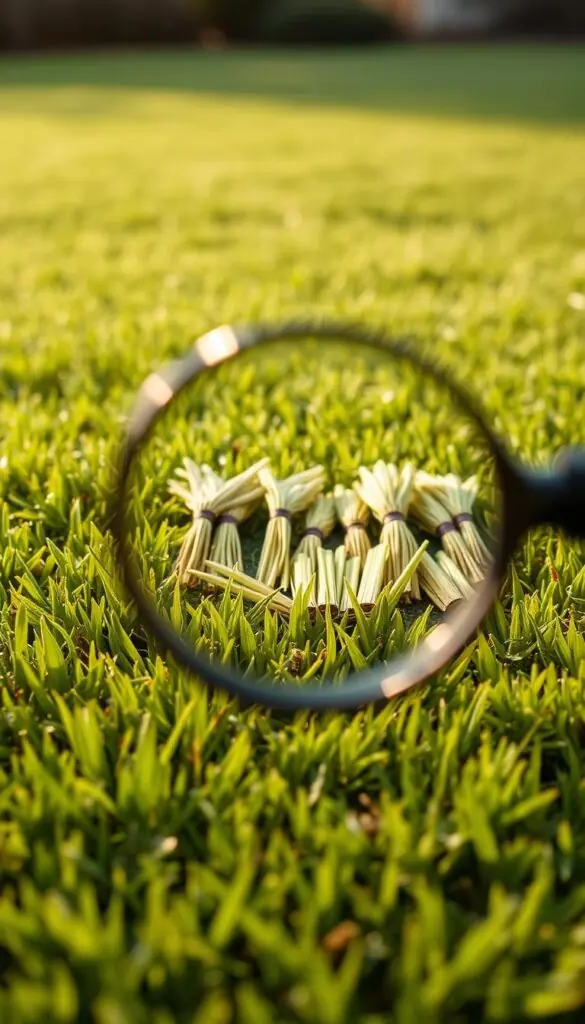
"Pair the grass type with site checks and the season—this three-part view points you to the right fix faster."
Lawn fungus treatment: step-by-step care you can do today
You can cut disease risk by tweaking three habits: watering, cutting, and soil care. These are simple, effective lawn care practices you can start this morning.
Watering reset
Set a sprinkler timer for dawn and aim for deep, infrequent soakings so the top 6–8 inches of soil stay moist. Stop nighttime irrigation—wet leaves after dark feed many a disease.
Mowing and cleanup
Raise your mower height and sharpen the blade to reduce wounds. Bag infected clippings in problem areas for a week or two, then resume mulching once symptoms fade.
Soil fixes and nutrients
Run a core aerator where soil is compacted and check thatch—if it’s over 1/2 inch, dethatch during active growth to improve air and drainage. Test soil before feeding and use moderate, slow‑release nitrogen to avoid quick growth that invites problems.
When to consider products
Fungicides work best as prevention. Match the active ingredient to the threat, follow label timing, and rotate actives to reduce resistance. For fast‑spreading Pythium or heavy brown patch pressure, act quickly and improve drainage first.
Fill thin spots
Overseed with a disease‑resistant grass seed mix—tall fescue blends or improved Kentucky bluegrass where appropriate. Topdress lightly, keep seedbed evenly moist, and note what worked for future prevention.
"Small, steady changes now pay off with healthier growth and fewer patches later."
Special cases: mushrooms, slime molds, and fairy rings
When you spot rings, mushrooms, or gooey patches, the yard usually needs a tidy fix rather than a harsh treatment. Most of these are surface events and not a deep-rooted disease.
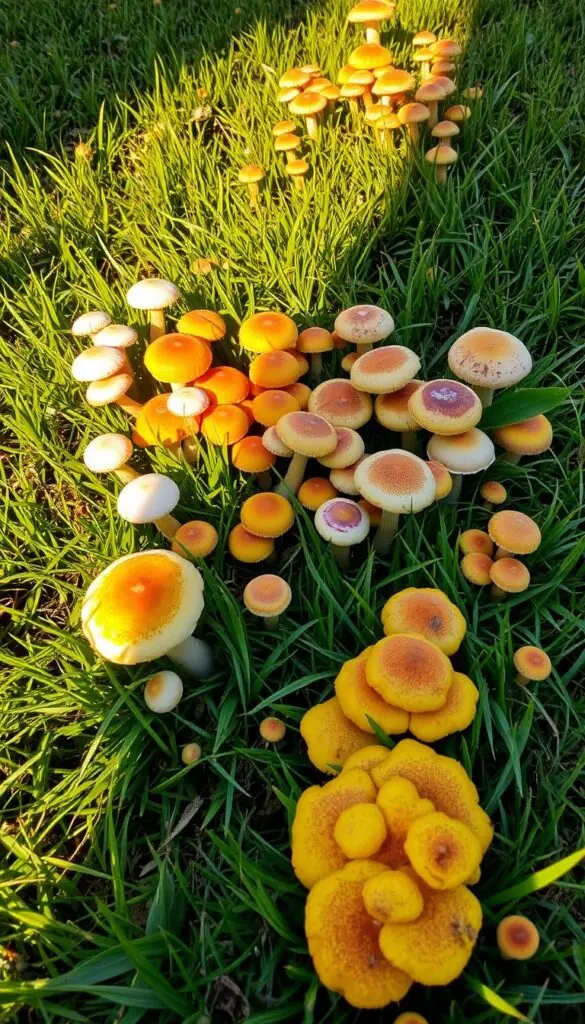
Mushrooms after rain or new sod: These are fruiting bodies and often come from buried wood or old roots. Hand-pick and bin the caps to keep children and pets safe.
Reduce excess moisture by trimming irrigation cycles. In new sod, ease watering as the turf roots so mushrooms fade without treatment.
Fairy rings and hydrophobic mats
If you see a dark green arc or a dry inner ring, a fairy ring may be creating a water‑repellent layer.
- Start coring about two feet outside the ring and work inward.
- Pull plugs 1/4 to 1 inch in diameter, slightly deeper than the mat; remove cores and wash tools before moving on.
- For mats thicker than 3 inches, use a soil probe or small auger to break through; backfill holes with clean soil and water deeply to rewet the profile.
- Reseed bare areas with a region‑appropriate grass blend and keep seed moist until established.
Slime molds: messy but harmless
Slime molds form pastel, gooey patches that dry into dusty crusts. They block light briefly but do not attack roots or plants.
Rake, mow, or hose them off to restore appearance and allow air to reach blades. Improving drainage in soggy areas will cut repeat appearances.
"If you're unsure about a mushroom's safety, remove it before kids or pets play."
| Issue | Quick ID | First step | When to call pros |
|---|---|---|---|
| Mushrooms | Cap clusters after rain or on new sod | Hand‑pick, reduce irrigation | Widespread decay or repeated fruiting from buried wood |
| Fairy ring | Green ring or dead center, dry soil inside | Core 1/4–1 inch plugs starting 2 feet out | Mats >3 inches thick or large rings across several feet |
| Slime mold | Pastel, slimy patches that dry to dust | Rake or hose off, improve airflow | Persistent shading that prevents recovery |
Conclusion
,Simple seasonal habits make a big difference for your grass. Notice early signs and act with small, steady steps so common diseases stay in check.
In spring, light raking helps snow mold recover. In warm months, morning water and sharp blades cut risk of dollar spot and brown patch. In fall, glance at cuffs for orange from rust or red thread.
Choose grasses that fit your region—improved Kentucky bluegrass or perennial ryegrass mixes—and overseed thin areas with good grass seed. Improve soil contact, keep seed lightly moist, and favor gentle growth so roots thicken.
Most problems respond to steady cultural care. Use fungicides only when needed, rotate actives, and trust small changes over time. Enjoy the process—healthy lawns reward quiet attention with richer color and more barefoot days.
FAQ
How can I spot common turf diseases quickly?
Look for discolored patches, circular rings, or irregular dead spots. Check blade texture and color—yellowing, tan, or reddish tones can signal trouble. Also note patterns: uniform rings often mean fungal activity, while scattered thinning can be pests or drought.
What visual cues help tell one problem from another?
Powdery white on blades suggests mildew; small tan spots that enlarge overnight point to blight; bronze or straw-colored patches with a dark border often mean brown patch. Greasy or slimy coatings hint at Pythium, while pinpoint bleached spots may be dollar spot.
What should I do with touch-and-sniff clues?
If blades feel slimy or emit a musty odor, stop evening watering and improve airflow. Powdery or dusty films can be brushed off and monitored. Any foul, persistent smell with soft crowns needs prompt action—improve drainage and consider targeted treatment.
Why do outbreaks happen after warm rain or when thatch is heavy?
Three elements must align: a susceptible host, a pathogen, and a favorable environment. Warm, wet weather plus thick thatch traps moisture and creates a perfect breeding ground for pathogens, so reducing moisture and thatch breaks the cycle.
How do seasonal patterns affect disease risk?
Spring thaw and cool, wet conditions favor snow mold and red thread. Hot, humid midsummer raises risk of brown patch, dollar spot, and Pythium. Cooler, damp fall nights can increase rust and lingering gray leaf spot in warm regions.
Which problems are common in spring and cool, wet spells?
Watch for snow mold after melt, red thread causing pinkish lesions, leaf spot that creates small brown marks, and powdery mildew that leaves a white coating on blades.
What should I expect in early summer to hot, humid weather?
Dollar spot shows as small straw-colored patches; brown patch forms large circular dead areas with a dark border; melting out creates thinning that can expand quickly; Pythium blight appears greasy and spreads fast in saturated soils.
What issues tend to appear late summer into fall?
Rust often causes orange or brown dust on blades. Gray leaf spot can persist in warm regions and weaken plants as temperatures cool and moisture remains high.
How do problems differ by grass type—cool-season versus warm-season?
Cool-season varieties like Kentucky bluegrass, tall fescue, and perennial ryegrass often face summer patch, necrotic ring spot, and leaf spot. Warm-season picks such as Bermuda, Zoysia, and St. Augustine are more prone to gray leaf spot, brown patch, and dollar spot.
What site conditions make issues worse?
Poor drainage, compacted soil, heavy thatch over 1/2 inch, shade, and overly high nitrogen levels create stress and prolonged moisture, all of which favor disease development.
What immediate steps can I take to treat an active outbreak?
First, stop nighttime irrigation and switch to deep, infrequent morning watering. Mow with a sharp blade at the correct height and remove infected clippings. Aerate compacted areas, dethatch if buildup exceeds 1/2 inch, and improve drainage and airflow.
When should I use fertilizers during recovery?
Test your soil before feeding. Apply balanced nitrogen sparingly and only when plants are actively growing. Too much quick-release nitrogen during stress can worsen disease.
Are fungicides necessary and how should I choose one?
Use fungicides only when cultural practices aren’t enough or when a disease is severe. Match the active ingredient to the diagnosis, rotate chemistries to avoid resistance, and follow label timing and rates precisely.
How and when should I overseed to fill thin areas?
After cultural fixes and when conditions favor establishment, overseed with disease-resistant mixes suited to your region and grass type. Keep new seed evenly moist until established and avoid heavy nitrogen until roots are strong.
What should I do about mushrooms and other fungal fruiting bodies?
Mushrooms are usually harmless—hand-pick and compost or discard. Reduce excess moisture and remove decaying organic matter that feeds them. They won’t always require treatment unless they recur frequently.
How can I handle fairy rings?
Break up hydrophobic mats by coring, topdress and reseed affected areas, and water slowly to re-wet the soil. In severe cases, fungicide barriers or professional remediation may be needed to restore uniform moisture.
What are the best ways to deal with slime molds?
Slime molds are unsightly but mostly harmless. Remove them by hosing, raking, or brushing; improving airflow and mowing more frequently prevents recurrent shading that encourages growth.