Imagine a sunlit morning, cool air on your face, and the soft scent of freshly cut grass. Have you stood at your door and wished the front yard felt like a calm, green room that invites you outside?
You can get there with small, steady steps. This guide shows an easy way to learn your soil and grass, water properly (about 1 to 1.5 inches a week in mornings), and mow with the one-third rule using sharp blades.
We keep tools simple: a hose, a hose-end sprinkler, a mower, and a spreader will do most jobs. You’ll also learn seasonal timing — when to overseed, when to aerate, and when to feed based on soil tests and grass type.
Avoid common mistakes like overwatering, scalping, or feeding at the wrong time. Real examples, from Kentucky bluegrass in cool regions to Bermudagrass in warm areas, make the steps clear and doable.
Key Takeaways
- Water in the morning, about 1–1.5 inches per week.
- Mow by the one-third rule with sharp blades.
- Test soil before feeding and time actions by season.
- Use simple tools you already own to get steady progress.
- Overseed and aerate at the recommended seasonal windows.
Start here: a simple path to a healthy, sunlit lawn
A simple morning routine and a couple of tests set the stage for a thriving, easy-to-manage yard.
Begin by testing your soil every three years. Aim for pH between 6.0 and 7.0. Knowing this helps you match fertilizer and amendments to actual soil needs.
Identify your grass type next. That choice guides timing: cool-season grasses take spring and fall feeding, while warm-season types get feed from mid-spring through summer.
Set a basic rhythm: water about 1 to 1.5 inches each week in the cool mornings (6–10 a.m.), follow the one-third mowing rule, and sharpen mower blades once a year.
- Use a timer and rain gauge to track water precisely.
- Pick one reliable fertilizer and apply at the right time for your grass type.
- Prevent weeds with a pre-emergent in early spring; spot-treat existing weeds later.
Walk your yard weekly in evening light. Note dry spots or thin areas and keep tools handy: hose-end sprinkler, spreader, and a soil test kit. Enjoy the cool scent of fresh clippings after a tidy mow.
Lawn care for beginners: understand your soil, grass type, and timing
Start by feeling the soil beneath your shoes; it tells a story about what your yard needs.

Test every three years — scoop small samples from several areas and send them to a Cooperative Extension lab. A lab report gives pH, key nutrients, and texture. These numbers become the map for feeding, seeding, and amendments.
Aim for pH 6.0–7.0 so nutrients move easily to roots. If results show acid soil, add lime slowly. If alkaline, apply sulfur in measured steps.
Feel and adjust your soil
Clay is sticky and molds into a ribbon. Sand is gritty and falls apart. Loam crumbles and smells earthy. Clay holds water and compacts; sandy soil drains fast and needs more frequent, lighter waterings.
Match grass to climate and timing
Cool-season grasses (Kentucky bluegrass, fescues, ryegrass) peak in spring and fall at 50–75°F. Warm-season grasses (Bermudagrass, Zoysia, St. Augustine) thrive in 75–95°F and grow most in summer.
| Soil Texture | Watering Notes | Key Actions | Example Grasses |
|---|---|---|---|
| Loam (crumbly) | Balanced retention | Standard schedule, routine tests | Kentucky bluegrass, fescues |
| Clay (sticky) | Hold water; less frequent | Aerate, amend with compost | Fine fescues, some warm-season types |
| Sand (gritty) | Fast-draining; more frequent | Light, frequent water; organic matter | Bermudagrass, Zoysia |
- Keep a notebook with test dates and numbers.
- Use a handheld pH kit, trowel, and a clean bucket on a calm morning.
- Apply seeds and fertilizer based on the report and your grass type.
In the transition zone, watch how turf behaves each season. Let those signals guide your timing and seed choices to match your local climate.
Water the right way: deep, morning watering that builds strong roots
Start your watering routine with a plan that favors depth over frequency. A single, deep soak encourages strong root growth and a resilient yard. Aim for measured sessions rather than daily surface sprays.

How much per week: aim for 1 to 1.5 inches
Most turf needs about 1 to 1.5 inches of water per week. Set out three tuna cans across a zone and run your sprinkler until they reach about 1 inch.
That tells you how long a full session takes. Use that run time to schedule each zone.
Best time to water: early morning
Water between dawn and 8–10 a.m. in cool morning air. Droplets soak into soil, leaves dry fast, and disease risk drops.
In summer, nudge run times up slightly but keep sessions deep and less frequent to promote root growth.
Signs of thirst and simple tools
Look for a gray-blue cast or footprints that linger—both mean your grass needs a drink. A basic moisture meter shows whether soil holds water at root depth.
- Quick setup: hose-end sprinkler + simple timer = reliable routine.
- On clay, split runs into two short cycles to avoid runoff.
- Skip night watering and shallow daily sprays; they encourage shallow roots and disease.
Mowing made easy: height, frequency, and sharp mower blades
A tidy cut and the right deck setting make weekly chores feel simple and rewarding. Cut on a schedule that protects growth and keeps turf looking even. Small choices—blade sharpness, deck height, and timing—change how the grass heals and how the yard smells after a fresh mow.

Follow the one-third rule: never remove more than one-third of the grass height in a single session. This protects roots, preserves soil moisture, and keeps color even. If grass grew too tall, raise the deck and cut in two passes a few days apart.
- Set mower height to match your grass type and raise it during hot spells to shade the soil.
- Sharpen blades once a year so cuts are clean, not torn; clean edges heal fast and look crisp.
- Avoid scalping—cutting too low stresses turf and invites weed seeds and pests.
- Mow when grass is dry for smooth stripes; wet cutting clumps and tears blades.
- Leave short clippings; they feed the grass and help retain moisture.
As you mow, watch for pale patches, uneven growth, or spongy areas that suggest soil or thatch issues. A calm evening mow brings a fresh scent, neat lines, and stronger growth underfoot.
Feed with confidence: picking fertilizer, N-P-K ratios, and safe application
Choose fertilizer with intent — that first step shapes how your grass grows.
Match the product to your soil test
Read your soil test before you buy. The report points to N-P-K needs and missing nutrients. Pick a product that fills those gaps rather than guessing.
Example: a label like 25-10-15 gives a fast nitrogen boost. Granular feeds slowly; liquid gives quick green-up. Use the type that fits your goal.
Seasonal timing that helps growth
Cool-season grasses do best with a strong fall feeding and a lighter spring boost. Warm-season types take regular feedings from mid-spring through summer.
Pro tips for safe, even application
- Set your spreader to the label rate, listen to the soft granules tapping the hopper, and walk steady passes.
- Make two light passes in a crisscross for even coverage, then lightly water in so granules settle and roots absorb nutrients.
- Avoid overfeeding—too much burns leaves and stresses roots. If overseeding, choose a starter product and skip high-nitrogen mixes.
- Store dry, feed on calm days, and keep your spreader clean so settings stay true next time.
Keep problems small: weeds, pests, thatch, and aeration basics
A little attention now keeps small problems from turning into big projects later. Spot checks once a month help you catch brown patches, mushrooms, or chewed blades early. A healthy mix of steady water, correct mowing height, and seasonal feeding makes grasses more resistant to invaders.
Weed control and gentle options
Stop weeds early with a spring pre-emergent timed to your season. That prevents seed germination so turf can fill in first.
Use a selective post-emergent on visible weed patches, and hand-pull after rain when soil is soft so roots slide out clean.
Pests, disease clues, and simple fixes
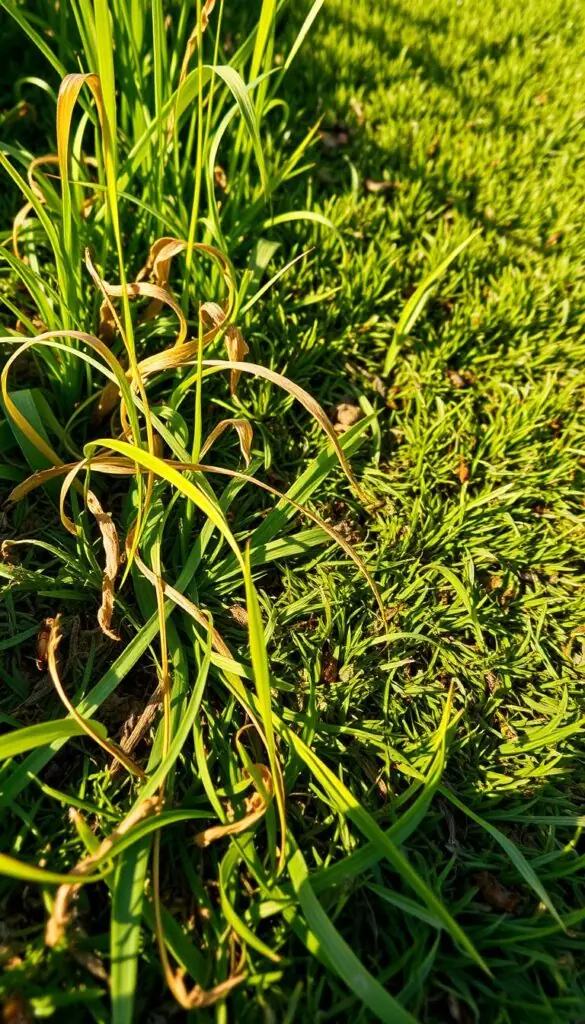
Watch for brown spots, mushroom clusters, or discoloration. These signs often point to pests or fungal disease.
Improve mowing, watering, and thatch management before reaching for strong chemicals. Healthy turf resists many problems on its own.
Thatch and aeration basics
Part the grass and feel the layer beneath. If the spongy thatch is over ½ inch, dethatch so water and nutrients reach the soil.
Aerate compact areas to pull up earthy plugs, let air into the root zone, and encourage deeper roots.
| Issue | Quick Check | Action |
|---|---|---|
| Weeds | Seedlings in spring; sparse turf spots | Pre-emergent in spring; spot post-emergent or hand-pull after rain |
| Thatch | Spongy layer > ½ inch | Dethatch or use a power rake; overseed after |
| Compaction | Water pools; shallow roots | Aerate to remove plugs and improve soil air |
| Pests/Disease | Brown patches, mushrooms, chewed blades | Adjust watering/mowing; consult extension for treatments |
- Patch bare spots quickly so weeds don’t move in.
- Rake leaves to prevent damp, fungus-friendly mats.
- Treat chemicals as a last resort and follow labels; steady lawn care keeps most issues small.
Fix bare spots and thin areas: overseeding, grass seed, or sod
With a little soil prep and the right timing, thin areas fill in naturally and quickly. Start by loosening the top half-inch of soil so seed meets fresh earth. Rake debris away and feel the dark, damp soil under your hand.
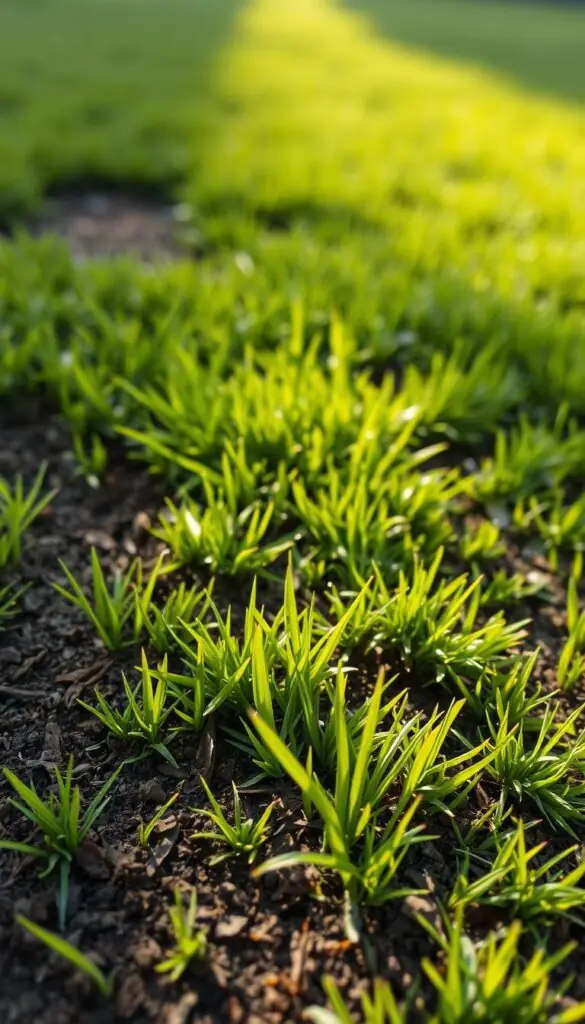
Simple, visual steps to repair spots
Broadcast seed evenly after dethatching or aeration. Use a spreader for even coverage, then lightly rake so seeds sit just below the surface. Press seed-to-soil contact with a roller or your feet.
When to seed or lay sod
Overseed in early fall or spring for cool-season grasses. For warm-season varieties, choose late spring into early summer. Water gently and often until seedlings emerge.
- Keep new spots moist with light, frequent watering until grass is steady.
- Mark off treated areas to prevent foot traffic while roots form.
- Sod gives instant cover but costs more; water heavily and avoid walking on it for two weeks.
- Sprinkle a light starter fertilizer only if a soil test recommends it.
"Patch small areas quickly so they don't become larger problems."
Step back and enjoy the fresh, green haze as new grass thickens tired patches and restores your outdoor spaces.
Your year-round lawn calendar for the United States
Let each season guide you — small moves at the right time build steady results. Use this simple calendar to pace tasks and avoid last-minute rushes. A calm rhythm helps grass thrive and saves time over the year.

Spring
Run a soil test and apply a timely pre-emergent. Make the first tidy mow and check mower blades and belts.
Tip: Add a light feeding only if the test shows low nutrients.
Summer
Water deeply about 1 to 1.5 inches per week and raise your mowing height to shade the soil and cool crowns.
Watch for pests and disease in hot, humid spells. Adjust watering and mowing before using treatments.
Fall
In early fall, aerate compacted areas, overseed cool-season grasses, and plan your main feeding for steady color.
Keep up with leaves every few days; mulch light layers or remove thick mats so light and air reach the turf.
Winter
Avoid walking on frozen turf and tidy branches so areas can dry between storms. In warm regions, occasional mowing may still be needed.
- Schedule spreader applications on calm days and sweep granules off hardscapes.
- Set simple calendar reminders for weekly water checks and seasonal tune-ups.
"Fresh spring, steady summer, crisp fall, quiet winter — let the seasons set the pace."
Conclusion
A simple routine, done with patience, builds healthy green spaces you can be proud of.
You now have a clear way to guide your outdoor space: test soil, match grasses to climate and timing, water in the cool morning, mow by the one-third rule, feed by season, and fix small issues early.
Small, steady actions protect roots, save water, and make growth easier. With each calm watering and clean, even mow, your grass shows deeper color and steadier health.
Trust the seasons and your soil test. Listen to texture, color, and bounce, and adjust with confidence. Enjoy the scent and the soft feel underfoot—you’ve got this, and we’re here with friendly tips when you need a hand.
FAQ
How often should I test my soil and what numbers should I aim for?
Test your soil every three years. Aim for a pH between 6.0 and 7.0 and check key nutrients like nitrogen, phosphorus, and potassium. A soil test also shows texture and organic matter so you can match watering and fertilizer choices to your yard’s needs.
How do I adjust pH if my soil is too acidic or alkaline?
Use agricultural lime to raise pH and elemental sulfur to lower it. Apply according to the soil test recommendations and spread evenly with a broadcast spreader. Work the amendments into the top few inches and water lightly to help them start working.
How do I identify whether I have cool-season or warm-season grass?
Look at peak growth times: cool-season grasses like Kentucky bluegrass and tall fescue grow best in spring and fall, while Bermudagrass and Zoysia thrive in warm summer months. Your region, when the grass greens up, and blade texture are good clues.
How much water does my yard need per week?
Aim for about 1 to 1.5 inches of water per week, including rainfall. Use a rain gauge or set out tuna cans to measure sprinkler output. Deep, infrequent watering builds stronger roots than daily shallow sprays.
When is the best time of day to water?
Water early in the morning, ideally before sunrise to reduce evaporation and disease risk. Avoid late evening watering that leaves turf damp overnight and invites fungal problems.
How do I know when grass is thirsty?
Grass will begin to look dull, blades fold or roll, and footprints stay visible after you walk across it. A moisture meter can help confirm dry soil beneath the surface.
What mowing height should I use and how often should I mow?
Follow the one-third rule: never remove more than one-third of the blade at a time. Set height by grass type—cool-season grasses like 2.5–3.5 inches, warm-season types a bit lower. Mow frequently enough to follow the one-third rule and keep blades sharp.
Why are sharp mower blades important?
Sharp blades cut cleanly, reducing stress and disease risk. Dull blades tear grass, creating brown tips and slower recovery. Sharpen blades at least once per season or more if you mow often and hit debris.
How do I choose the right fertilizer and N-P-K ratio?
Use your soil test to guide fertilizer selection. N-P-K ratios depend on nutrient needs—most established turf benefits from a product higher in nitrogen. Choose granular or liquid forms based on your spreader or sprayer and follow label rates to avoid overfeeding.
When should I fertilize during the year?
Timing depends on grass type. Cool-season grasses respond best to main feedings in early fall and a light spring boost. Warm-season grasses benefit from mid-spring through summer applications. Always match timing to your grass’s growth cycle.
How can I control weeds without harming the grass?
Use pre-emergent herbicides in early spring to block crabgrass and other annuals, and spot-treat broadleaf weeds with post-emergent products when they’re actively growing. Consider manual removal and corn gluten for gentler options on small areas.
What are signs of pests or disease and when should I act?
Look for irregular brown patches, thinning turf, visible insects, or mushrooms. Investigate quickly—identify the pest or disease before treating. Some issues respond to cultural fixes like proper watering, mowing height, and aeration rather than pesticides.
When should I dethatch or aerate my yard?
Dethatch when thatch exceeds about ½ inch. Aerate compacted soil or high-traffic areas in the active growth season for your grass—early fall for cool-season and late spring for warm-season—to encourage deeper root growth.
What’s the easiest way to fix bare spots and thin areas?
After dethatching or aerating, overseed thin areas with a matching grass seed and use a spreader for even distribution. Keep seed moist until established. For larger bare patches, sod gives instant cover but costs more.
When is the best time to overseed?
For cool-season grasses, overseed in early fall or spring. For warm-season grasses, late spring to early summer works best once soil has warmed. Match timing to your grass’s peak growth for best germination.
How should I manage my yard through each season?
Spring: test soil, apply pre-emergent, do the first mow, and light feed if needed. Summer: water deeply, raise mowing height, and watch for pests. Fall: aerate, overseed, and apply main fertilizer for cool-season turf; manage leaves. Winter: limit foot traffic on frozen ground and keep debris off the turf.