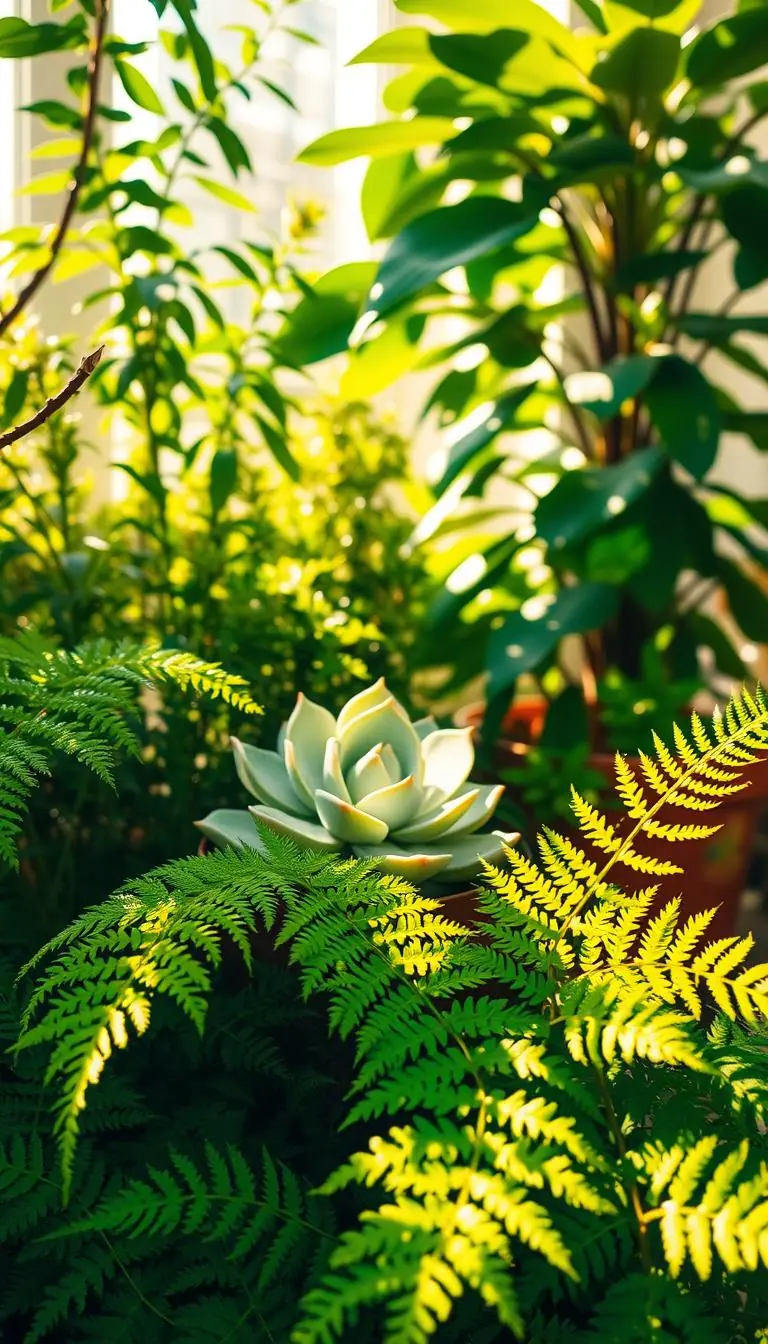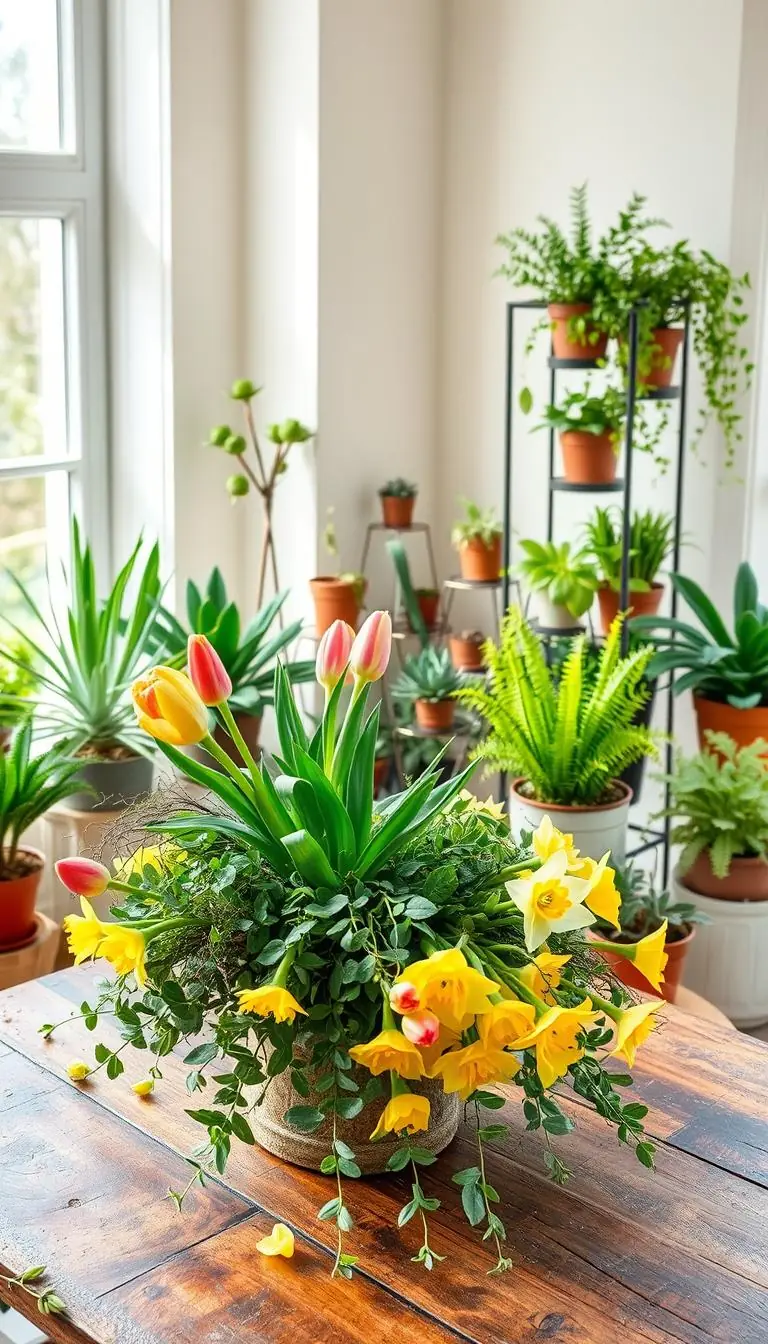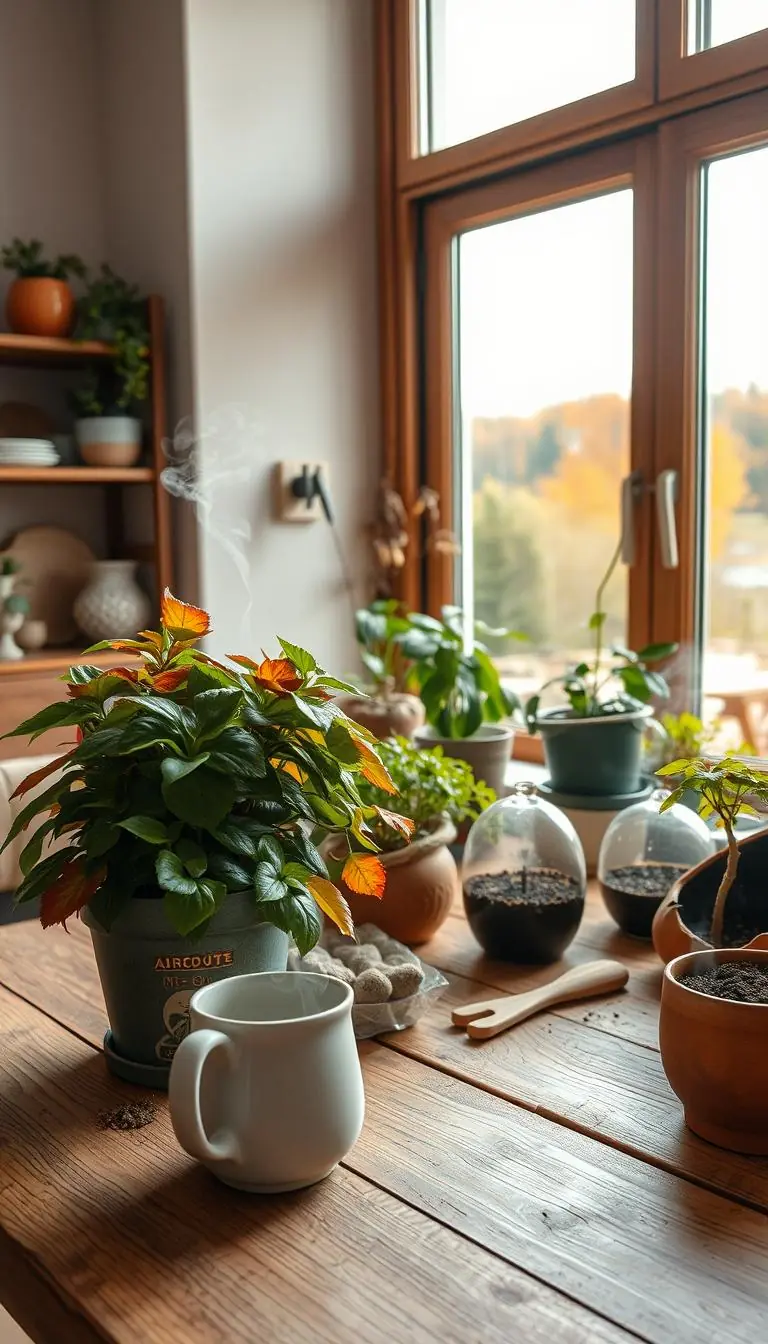
You run your hand over a velvety leaf and feel a small calm settle in. Have you ever wished your home felt greener without a lot of fuss? This guide shows you how to pair forgiving greenery with each room so your space stays serene and easy to care for.
We’ll help you read indirect light, pick the right pot, and use simple touch tests—press the top inch or two of soil, lift the pot to judge weight, and watch the leaves for signs of thirst. Expect sensory notes: glossy rosettes, trailing vines, and soft foliage that bring gentle colors and peace to living areas.
You’ll meet tough, proven picks like snake, ZZ, and peace lily, plus care tips for parlor palm and bromeliads. Learn when to add a pebble tray or a clip-on grow aid and how seasonal watering changes keep growth steady—all without needless fuss.
Key Takeaways
- Match each room with forgiving greenery for easy success.
- Define indirect light so you can place pots with confidence.
- Use touch tests and pot weight to avoid overwatering.
- Choose planters with drainage; add pebble trays for humidity.
- Follow simple seasonal steps: water less in winter, feed in spring.
Understand low light vs. no light before you buy
Knowing whether a space gets gentle daylight or none at all saves trial and error. Read your room first so you match the right houseplant to the right spot.
How to read your room: north windows, shaded windows, and interior areas
Stand where you plan to place a pot and watch the way soft daylight moves. Rooms with a north-facing window or a window shaded by trees often count as low light — usable, but limited.
Trace shadows in the morning, at noon, and late afternoon. Note reflections from pale walls and dark corners that never see sun.
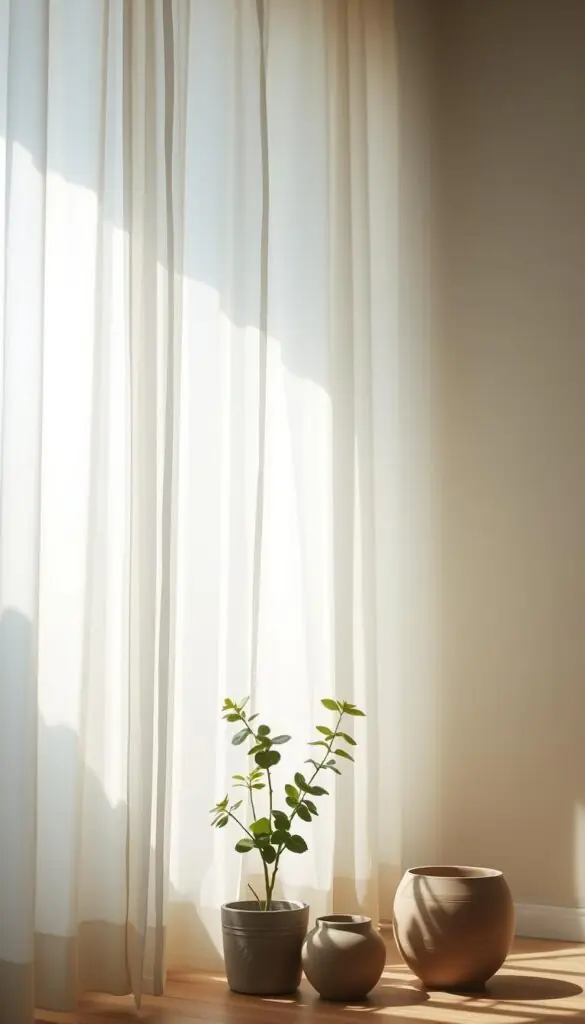
Simple light test and daily observation routine
Try the book-and-shadow test: hold a book at chest height. Crisp shadows mean bright indirect light; fuzzy shadows mean low conditions; no shadow means you need extra lighting.
- Spend five minutes each day checking leaves for color and posture.
- Touch the top 1-2 inches of soil to confirm it is soil dry before watering.
- Rotate pots a quarter turn weekly so each side grows evenly.
If a deeper interior area or windowless office lacks usable sunlight, use a clip-on LED for 8–12 hours or select species proven under fluorescents, like lucky bamboo.
Optional helpers: a phone light meter app, a moisture meter, or a simple outlet timer to keep the schedule steady.
Best low light plants for beginners
Pick a few tough companions that reward easy care with tidy, glossy leaves.
Snake, ZZ, and cast iron: truly tough choices
Snake and ZZ are architectural and slow-growing. Water them about once a month. Let the top layer of soil dry until the pot feels light.
The cast iron plant tolerates irregular schedules. Water moderately and allow partial dry-down between sessions. Use 6–8 inch nursery pots for small spots.
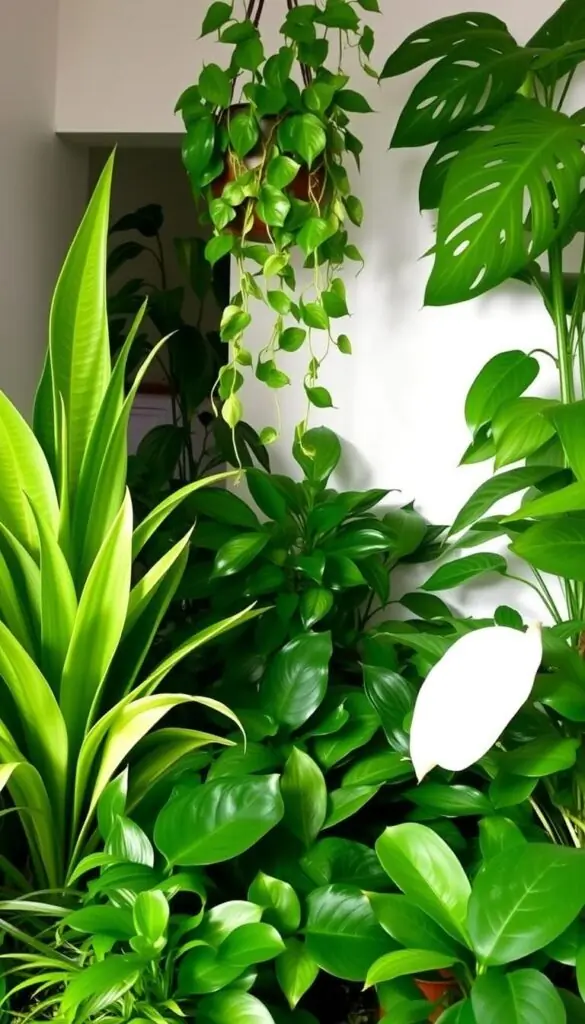
Pothos and peace lily: forgiving with fast feedback
Pothos perks up quickly after watering. Let the top 1–2 inches of soil dry, then water thoroughly. Pinch stems above a node to encourage bushy vines.
Peace lily shows thirst fast—wilting leaves bounce back after a drink. Keep soil evenly moist but never let water sit in the saucer.
| Plant | Watering rhythm | Soil mix | Pot size |
|---|---|---|---|
| Snake | Monthly checks; water when top is dry | 2:1 potting soil:perlite + orchid bark | 6–8 in with drainage |
| ZZ | Every 1–2 months; prefer drier | gritty, airy mix | 6–8 in |
| Cast iron | Moderate; partial dry-down | well-draining blend | 6–8 in |
| Pothos / Peace lily | Top dry then deep water / keep evenly moist | all-purpose + perlite | 6–8 in to start |
- Repot when roots circle the nursery pot or growth slows.
- Prune yellowing leaves at the base with clean scissors.
- Try a variegated variety for extra visual pop without extra fuss.
Low-light stars for the living room: lush, sculptural, and easy
Layer tall palms and trailing vines to shape cozy sightlines and soft textures around seating areas. Start with scale: a medium parlor palm reads as a living sculpture beside a sofa. Parlor varieties range from about 12 inches to 6 feet and tolerate indirect light a few feet from a window.
Place and pot: use a lightweight 10–12 inch planter with drainage and a matching saucer. Add a pebble tray to raise humidity without wetting furniture. Keep soil draining well and avoid waterlogging.
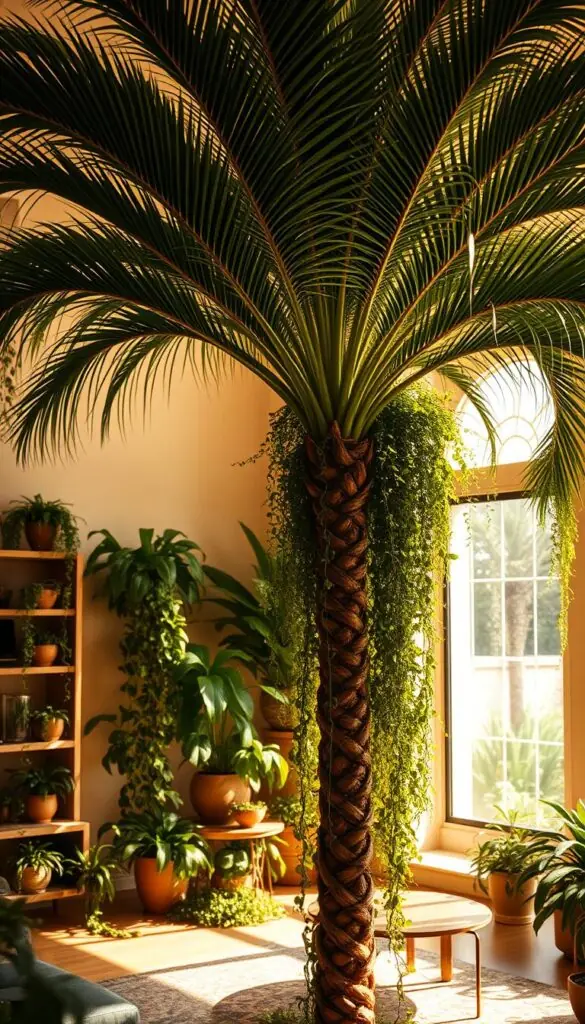
Upright accents and water care
Dracaena marginata gives red-edged leaves and tall lines for corners. Lucky bamboo, also known as a dracaena, works in water or soil. If you grow lucky bamboo in water, top up weekly and change fully every 1–2 weeks; use distilled water to prevent crusty deposits.
Trailing texture and training
Pothos spills beautifully from shelves; guide stems with clear hooks and pinch tips to keep vines full. Monstera adansonii adds swiss cheese holes for playful texture—mix 2 parts soil with 1 part perlite or orchid bark for better drainage.
"Group a palm, a dracaena, and a trailing vine at staggered heights to craft a calm, layered look."
- Keep most pieces 3–6 feet from the window; move a foot closer if leaves pale.
- Dust broad leaves monthly so colors stay vivid and they photosynthesize well.
Bedroom calm: quiet foliage, gentle colors, and simple care
Let gentle, patterned leaves be the last calm thing you see before bed. A single houseplant on a nightstand can add texture and a sense of peace without fuss.
Calathea and prayer plant: patterned leaves and evening movement
Calathea and the prayer plant lift their leaves at dusk, a soft motion that feels almost like a bedtime sigh.
Keep them in medium light a few feet from a shaded window. Wipe velvety leaves weekly and use a small humidifier on a timer to keep even moisture overnight.
Bird’s nest fern: wavy, glossy rosettes for serene vibes
Bird’s nest fern offers glossy, wavy rosettes that feel cool and fresh to the touch.
Plant in a snug 6–8 inch ceramic pot with drainage and slip it into a decorative cachepot. Avoid pooled water in the crown and maintain moderate moisture so roots breathe.
- Water when the top inch of soil is dry; pour slowly until a little runs out and then empty the saucer.
- Use cork trays to protect furniture and dimmable clip-on lights if you need a gentle evening glow.
- Do a quick Sunday reset: dust leaves, rotate a quarter turn, and check soil—colors stay truer and growth stays even.
Bathroom beauties that love steam and low light
Bathrooms become tiny green sanctuaries when you pair steamy air with forgiving foliage. Use humidity to your advantage and pick compact options that fit shelves and vanities.
Fittonia and compact ferns thrive on steady humidity. Their crisp veining and feathery fronds show quick improvement after regular steam exposure. Place them near a north or east window or under a dimmable clip-on if the room has no glass.
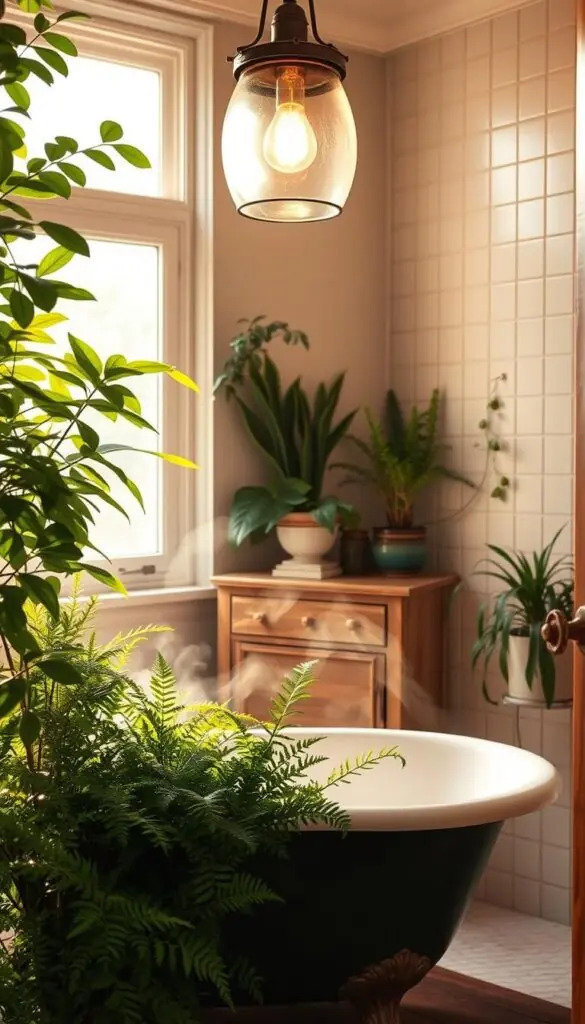
Shower-day care: quick steps
- Rinse dust from leaves with lukewarm water.
- Let pots drain fully in the tub; return only after the soil surface stops dripping.
- Refresh pebble trays and empty any standing water after 10–15 minutes.
Peace lily and styling tips
A peace lily rewards you with occasional blooms and glossy, deep-green leaves. Keep the top inch of soil slightly moist but never saturated. Wipe broad foliage monthly to keep surfaces clean and photosynthesis healthy.
- Choose 4–6 inch pots for counters.
- Mix well-draining soil with a bit of perlite for even moisture.
- Pair a feathery fern with a glossy leaf for a spa-like scent and texture contrast.
Kitchen pops of color and texture in indirect light
A pop of color near your window lifts the whole room, even when sun is indirect. Kitchens welcome bold bracts and tactile leaves that handle brief cooking bursts and everyday traffic.
Keep safety in mind: place pots away from the stove, oven door paths, and hot vents. Morning sunlight is fine; shield harsh midday sunlight with a sheer curtain.
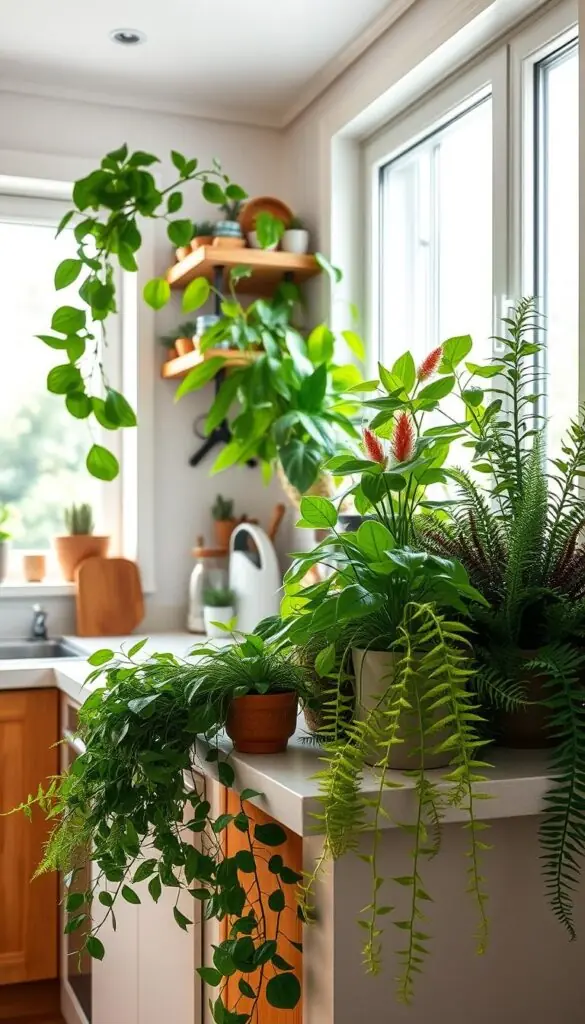
Bromeliads for long‑lasting color spikes
Bromeliads give bright, long-lasting bracts that can bloom for 6–8 months and then produce pups. Tuck one near a window with indirect light for the best show.
- Water the central “cup” lightly and refresh weekly; keep only a small amount of clean water to prevent stagnation.
- Use a glazed pot in drier kitchens to hold moisture, but always allow drainage and a fitted saucer.
Begonia varieties for patterned, tactile foliage
Begonias thrive in medium light and offer tactile leaves with subtle patterns. In softer sunlight their colors are gentler but still charming.
- Use a well-draining soil mix (potting mix + perlite) and keep steady moisture without saturation.
- Choose terracotta in humid homes to wick excess moisture; avoid heat sources and hot drafts.
- Wipe leaves weekly with a damp cloth to remove cooking oils and dust so foliage breathes freely.
Home office heroes: plants for windowless areas and desk spaces
A compact green corner can make a windowless desk feel fresh and calm. You can grow several species under artificial lighting and keep a tidy, cheerful workspace without a window.
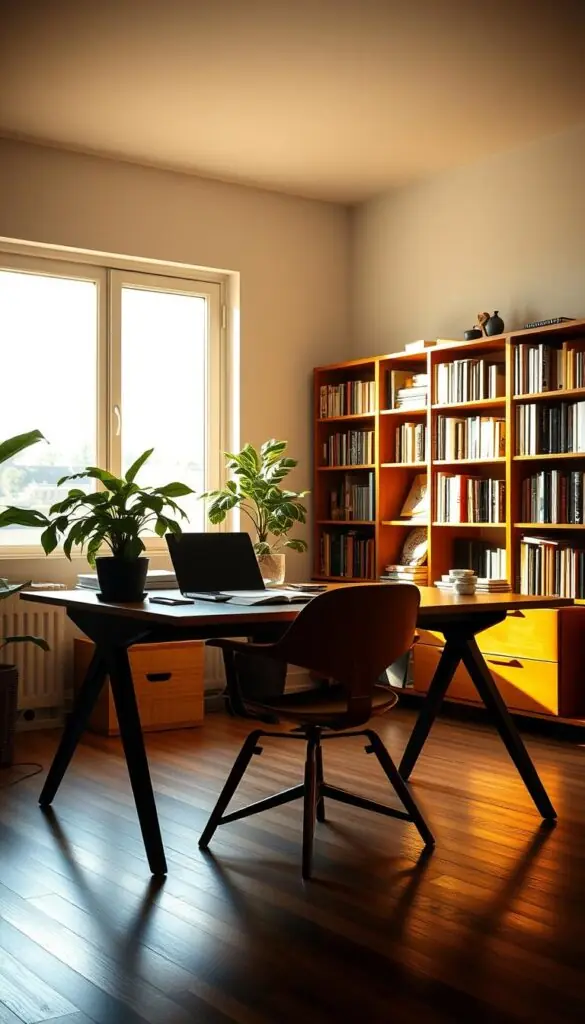
Growing under fluorescent or LED bulbs: what actually works
Plug-and-play recipe: full‑spectrum LED or cool white fluorescent, 8–12 inches above the tops, 10–12 hours daily on a simple timer. Keep bulbs steady for consistent growth.
Top picks and practical care
Lucky bamboo (also known as dracaena) often grows in water with pebbles—change the water every 1–2 weeks and use distilled water to avoid residues. Parlor palm prefers soil; water when the top inch dries. Pothos and Chinese evergreen do well under office lights; pothos trains easily with fishing line.
- Choose 4–6 inch desk planters with drainage and a thin cork mat to catch drips.
- Use a cord clip and a small power strip under the desk for neat wiring.
- Weekly routine: check soil or water, mist if needed, and dust leaves.
| Species | Best medium | Desk size | Water routine |
|---|---|---|---|
| Lucky bamboo | Water with pebbles | 4–6 in vase | Change water weekly–biweekly; distilled water |
| Parlor palm | Well-draining potting soil | 6 in pot | Water when top 1 inch dry |
| Pothos | Soil or semi-hydro | 4–6 in planter | Top dry then deep water; train vines |
| Chinese evergreen | All-purpose mix | 4–6 in pot | Even moisture; rotate weekly |
"A small squeeze bottle, a timer, and a moss pole for trailing vines keep a desk setup tidy and thriving."
Watering, soil, and fertilizer made simple for low light
A few quick checks keep your pots happy and steady. Use practical methods so you don't overdo the care and so roots can breathe.
Touch test and quick checks
Touch test: water when top 1-2 inches are dry
Insert your finger 1–2 inches into the soil. If it feels soil dry, it’s time to water.
Lift the pot—light pots usually mean thirst. Check the drainage hole too; a plugged hole traps excess water and invites rot.
Soil mixes and drainage: add perlite or orchid bark where needed
Use 2 parts potting mix + 1 part perlite for general use. For chunkier roots (like Monstera), add orchid bark for air and steady moisture.
Water slowly around the rim until a little drains out. Empty the saucer so roots aren’t sitting in water.
Seasonal care: reduce watering and feeding in winter
In cooler months, reduce watering and skip fertilizer. In spring and summer, feed with a balanced liquid at half strength every 4–6 weeks or use one slow‑release tablet per season.
Tools that help: a long‑spout watering can, a small moisture meter (optional), and a saucer you can empty.
"Water when the top 1–2 inches are dry; lift and listen to the pot—your hands tell the rest."
| Check | Method | When to act | Tool |
|---|---|---|---|
| Finger test | Insert 1–2 in into soil | If soil dry → water | Hand |
| Lift pot | Judge weight | Light = water soon | Feel |
| Mix recipe | 2:1 potting:perlite (+ orchid bark if needed) | At repot or to improve drainage | Perlite, orchid bark |
| Fertilizer | Liquid half strength q4–6w or slow‑release seasonal | Spring/summer; skip in winter | Liquid feed or slow‑release granules |
Designing for beauty and function: planters, placement, and maintenance
Design choices can make a corner feel intentional and keep care simple. Start by picking one size up from the nursery pot so roots have room without staying soggy. Always use a saucer to catch overflow and protect surfaces.
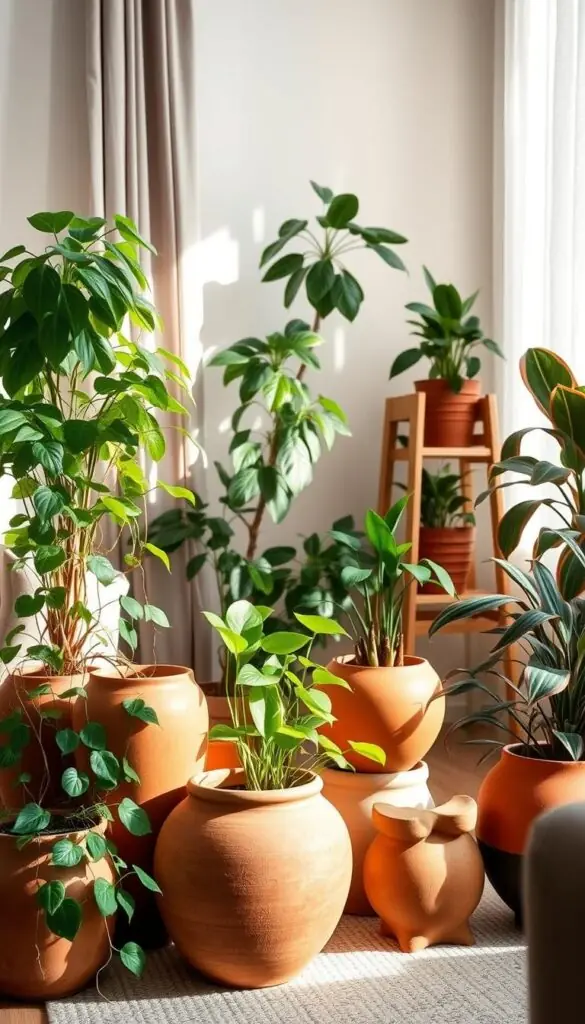
Right-size planters, saucers, and pebble trays
Set pebble trays beneath thirstier pots to raise local humidity. Keep a thin water layer under the pot base so roots do not sit in water. Group plants with similar water needs to simplify routines.
Training vines with hooks, shelves, and moss poles
Map your vines before you hang hooks. Use clear adhesive hooks under shelves for pothos or philodendron. For climbers like Monstera adansonii, insert a moss pole and tie stems with soft tape.
Soft lighting and accent pieces
Add a clip-on grow fixture aimed across leaves rather than straight down. Put lights on a smart plug and timer for 10–12 hours so your home office and shared spaces stay balanced. Rotate every few weeks to prevent legginess.
"Group by water need, keep cords tidy, and do a five-minute weekly reset to keep things beautiful and easy."
| Task | What to use | When |
|---|---|---|
| Pot sizing | One size up + saucer | At repotting |
| Humidity | Pebble tray with thin water layer | For thirsty specimens |
| Vine training | Adhesive hooks / moss pole | Install as vines grow |
| Lighting | Clip-on warm LED + timer | 10–12 hours daily |
Common mistakes to avoid with low-light houseplants
Common care missteps quietly stress leaves before you see wilting or yellowing. Catch problems early with a quick symptom → cause → fix routine. Short checks save a houseplant and your peace of mind.
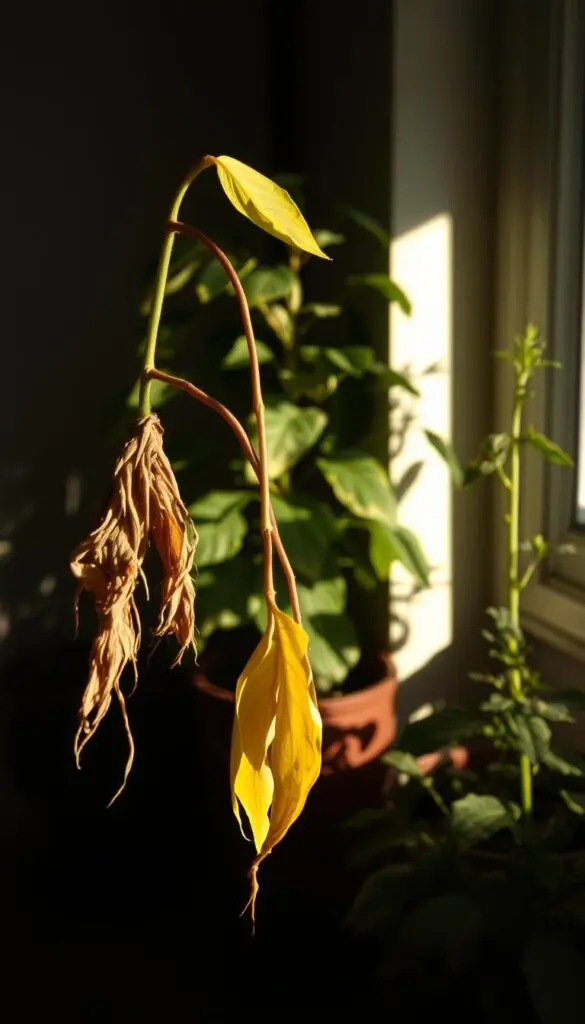
Quick diagnosis guide
| Symptom | Likely cause | Fix |
|---|---|---|
| Leggy, pale foliage | Insufficient sunlight or poor light conditions | Move nearer to windows or add a small LED grow fixture |
| Yellowing or soft leaf bases | Too much water; damp, cold soil | Ease watering, improve drainage, let top dry |
| Brown tips and soggy mix | Poor airflow and excess moisture | Reduce watering, repot into a free‑draining mix, increase circulation |
| Dusty, dull leaves | Blocked pores that reduce photosynthesis | Gently wipe leaves so they can capture sunlight |
Top mistakes and quick fixes
- Assuming "low" means no sun — add a clip-on LED or shift pots closer to windows to meet basic light conditions.
- Watering by calendar — test the top inch before watering; adjust rhythm to what your plant needs.
- Placing sun‑loving species in dark areas — avoid succulents, cactus, hibiscus, citrus, and ponytail palm in windowless rooms.
- Using pots without drainage — repot into containers with holes and use a saucer to protect surfaces.
- Letting moisture swing wildly — keep parlor palms and peace lilies evenly moist; never bone dry or waterlogged.
- Ignoring dust on leaves — wipe broad surfaces so they absorb what little sunlight the room offers.
"Even a cast iron plant needs some light; a snake will tolerate shade but thrives with a bit more."
If leaves pale or stretch, increase light. If tips brown and soil stays wet, cut back on watering and boost airflow. A few small changes make a big difference across areas in your home.
Pet-conscious picks and safer placement ideas
A few smart moves let you enjoy foliage without worrying about curious cats or nosy pups.
Choose gentler houseplants such as bird’s nest fern, calathea, parlor palm, and spider plant. These options are considered non-toxic and do well in shaded areas and under office or home LEDs. Humidity helps many tropicals stay happy.
Lift and secure: use wall shelves, hanging planters, or tall stands near windows to keep pots out of reach. In rentals, tension rods and macramé hangers add vertical displays without drilling.
Cluster items with similar needs so you water less and reduce digging temptation. Add a pebble mulch to the soil surface to discourage paws from scratching and to keep potting mix tidy.
Quick tactics for curious pets
- Place a sturdy plant stand behind furniture in shared office or living areas to form a subtle barrier.
- Use clear acrylic guards or wire cages around low pots if a pet persists in reaching soil.
- Train pets away from plant zones with treats and positive reinforcement; consistency works best.
| Species | Toxicity | Best placement | Why it works |
|---|---|---|---|
| Bird’s nest fern | Non-toxic | High shelf or hanging near windows | Dense foliage, loves humidity, deters nibbling |
| Calathea | Non-toxic | Middle shelves or stands away from drafts | Striking leaves, thrives under artificial light |
| Parlor palm | Non-toxic | Tall stand or corner behind sofa | Architectural height keeps it out of reach |
| Spider plant | Non-toxic | Hanging planter or high shelf | Trailing foliage looks attractive and is safe |
Keep toxic varieties up high. Common offenders to avoid near pets include philodendron, pothos (if you choose not to keep it high), sago palm, and oleander. When in doubt, put suspect pots on top shelves or in closed rooms.
"A small change in display keeps your home green and your pets safe—win‑win."
Conclusion
A calm routine makes green a joyful and lasting addition to your home.
You’re ready to match rooms with low-light houseplants that feel beautiful and easy to care for. Start small: observe the light, touch soil, and water with intention.
Lean on simple helpers—timers, pebble trays, and clip-on LEDs—to make tending near-automatic. Remember that many of these species come from rainforest understories and adapt indoors with steady moisture, rotation, and the occasional boost.
Most of all, enjoy the quiet peace that comes from watching a plant grow. Small, steady steps turn any home into a place where houseplants and indoor plants thrive.
FAQ
What’s the difference between low light and no light?
Low light means indirect or filtered daylight from north-facing or shaded windows, or a few feet away from brighter windows. No light means no natural sun at all — like an interior closet or windowless office — and requires artificial grow lighting for healthy growth.
How can I quickly read my room’s lighting conditions?
Stand where you plan to keep the plant for a few minutes at different times of day. Note whether direct sun hits the spot, if it’s shaded most of the day, or only receives reflected light. North-facing windows and rooms with large trees outside typically offer lower light levels.
What’s a simple light test I can do at home?
Place your hand between the window and the spot; if you see a soft shadow it’s medium to bright indirect light. A faint shadow indicates low indirect light. No shadow or just ambient glow usually means you need supplemental LED or fluorescent grow lights.
Which hardy varieties are best for beginners?
For fuss-free care, choose snake plant (Sansevieria/Dracaena trifasciata), ZZ plant (Zamioculcas zamiifolia), or cast iron plant (Aspidistra elatior). They tolerate erratic watering and modest light, so they’re forgiving while you learn routines.
Are pothos and peace lily good starter options?
Yes. Golden pothos and satin pothos tolerate dim corners and trail well on shelves. Peace lily (Spathiphyllum) shows quick visual feedback — drooping when thirsty and perking up after watering — which helps you learn plant cues.
Which statement plants work well in living rooms?
Parlor palm (Chamaedorea elegans) and Neanthe Bella palm add soft, feathery texture without demanding bright sun. Dracaena varieties and lucky bamboo offer upright structure for corners, while Monstera adansonii and pothos bring lush trailing interest.
What are calm, bedroom-friendly choices?
Calathea and prayer plant (Maranta) have gentle, patterned leaves and move their foliage at night, adding a peaceful rhythm. Bird’s nest fern provides glossy, wavy rosettes that read serene and work well in moderate, indirect light.
Which plants thrive in bathroom humidity?
Humidity-loving options like Fittonia (nerve plant), many ferns, and peace lily do well in steamy bathrooms. They enjoy the moist air and tolerate lower light levels common in those spaces.
Can I have colorful plants in a kitchen with indirect light?
Absolutely. Bromeliads bring long-lasting color spikes and handle filtered light. Many Begonia cultivars offer patterned, tactile leaves that brighten a kitchen without needing direct sun.
What works in home offices or windowless desks?
In windowless spaces, provide cool-white LED or fluorescent grow lights for several hours daily. Tough picks include lucky bamboo (Dracaena sanderiana), parlor palm, pothos, and Chinese evergreen (Aglaonema) — all adapt well to artificial lighting.
How often should I water in these conditions?
Use the touch test: water when the top 1–2 inches of soil are dry for most houseplants. Overwatering is the most common issue in dimmer spots because evaporation slows; err on the side of slightly drier soil rather than constantly moist.
What soil mix and drainage do these plants need?
Use a well-draining potting mix and add perlite or orchid bark if the soil looks compacted. Ensure pots have drainage holes and use saucers to catch excess — good drainage prevents root rot, especially in lower-light situations.
Should I change watering or feeding with the seasons?
Yes. Reduce watering and stop regular fertilizer in winter when growth slows. Resume light feeding in spring and summer with a balanced, diluted houseplant fertilizer as growth picks up.
How do I choose the right planter and placement for humidity?
Pick a pot that fits the root ball with drainage. Use saucers and pebble trays filled with water to raise local humidity. Grouping plants also creates a microclimate that helps moisture-loving species thrive.
What are safe, pet-friendlier options for homes with cats or dogs?
Bird’s nest fern, calathea, parlor palm, and spider plant are generally safer choices. Keep more toxic species out of reach, use hanging planters, or place barriers so curious pets can’t nibble foliage.
What common mistakes should I avoid?
Avoid overwatering, placing plants in true dark spots without supplemental light, and using heavy, compacted soils. Also don’t assume a plant needs more water just because leaves yellow — check soil first for moisture or root issues.
When should I add a grow light, and which type works best?
Add an LED or fluorescent grow light when natural light is insufficient for regular growth — for example, windowless offices or deep interior corners. Full-spectrum LED panels are energy-efficient, produce little heat, and suit most houseplants.
How can I train vines and manage trailing growth?
Use hooks, shelves, moss poles, or trellises to support vines like pothos and Monstera adansonii. Regular pruning encourages bushier growth and prevents legginess. Pin new growth to guides to shape the plant as it matures.