Can you smell that fresh, earthy scent after a light rake? It hints that your yard is waking from winter and ready for gentle care.
You’re about to set the tone for the whole season. With a calm plan and a few simple checks, you can protect new grass and enjoy a lush garden all year.
Start by reading the signs: firm ground, green tips, and steady spring growth tell you the right time to use the mower. Wait until the soil is dry and temperatures are steady so roots stay safe.
Gather a sharp, clean mower and a tidy rake. Set the deck high and remove no more than a third of the blade in one day. Move in slow, steady passes and savor the soft hum and fresh scent.
Key Takeaways
- Check ground firmness and grass growth before you cut.
- Use the mower at a higher setting to protect roots.
- Pick a dry day with stable weather to avoid damage.
- Keep tools sharp and work in calm, steady passes.
- Adjust care for seeded lawns vs. new sod to avoid lifting roots.
Read the lawn’s signals: is it truly ready for its first mow?
Look and feel: simple checks tell you when the yard is ready for gentle trimming.
Temperature, soil, and height checks
Watch temperatures — grass begins steady growth once daily highs stay above about 41°F. Many pros wait until March or later when frost risk drops and weather is steadier.
Check color and length. A brighter green sweep and blades nearing three inches mean the turf has woken and can handle a careful cut grass pass.

What “firm and dry” ground feels like underfoot
Test the soil by stepping onto the lawn in boots. Firm and dry ground feels springy, not squishy, and your heel won’t sink or leave mud.
Pinch blades to judge inches and tug a handful—if roots hold, the area is anchored for a slow pass with the mower. Walk slowly and clear leaves, sticks, or winter blow‑ins so the machine won’t bruise grass or hurl debris.
- Avoid poor conditions: wet weather, frost, or soggy patches can tear blades and compact soil.
- Note weeds or thin spots now; address them after you cut for an even surface.
- When in doubt, give it a little more time—waiting a few days often prevents bare marks.
Gather your tools and do a quick tune‑up on the lawn mower
A tidy machine and sharp blades make the whole job easier and kinder to grass. Before you head out, pull the mower into a sunlit spot and take a calm, quick look over the whole unit.

Empty any old gas that sat through winter and add fresh fuel. If you use a battery model, bring packs indoors and charge them fully. Let the mower warm a bit in the sun if it sat for months — you’ll notice the clean metal shine and a light oil scent when things are ready.
Safety sweep: sticks, stones, and hidden hazards
- Brush out built‑up clippings from the deck so airflow and collection work well.
- Inspect the blade for chips or blunt edges; sharpen or replace so grass gets a clean cut.
- Roll the machine across the lawn to check wheels, cables, and safety features.
- Walk the yard and remove sticks, stones, toys, and leaves so nothing gets hurled.
Keep a small kit nearby: socket wrench, blade balancer, and a rag. Jot a sticky note with fuel and blade dates so you remember timing for the next bit of maintenance.
Set the right cutting height to protect tender roots
Begin by raising your deck—taller cuts shield new grass and keep soil cool. Start at the mower's highest notch so the turf loses no more than a bit of length on that first pass.
The one‑third rule and why inches matter in spring
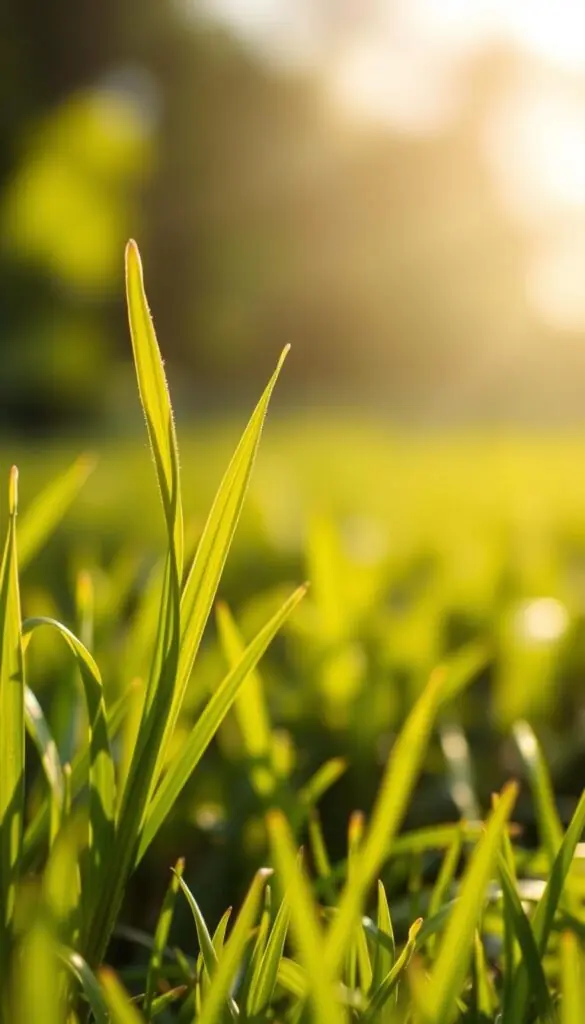
Follow the one‑third rule: remove no more than one‑third of blade length at a time. If your grass sits near three inches, trim to about two.
Use inches, not guesswork. Many decks have clear notches—start high and reassess after you cut.
- Keep the blade sharp so cuts heal quickly and tips don’t dry out.
- Think of roots and soil as a cushion—extra height protects crowns and keeps moisture where it belongs.
- Lower the deck slowly over several weeks to avoid scalping, disease, and weeds.
- If patches are uneven, take your time; several light cuts beat a single deep one.
After a light trim, wait a few days and lower one notch if needed. This steady approach gives the lawn the best chance to thrive.
Choose the best time of day and weather window
Choose a short, steady span of sunlight when blades have shed their dew. That little hour or two makes a big difference for new turf.
Mid‑morning or late afternoon work best
Aim for about 8–10 a.m. once the sun has lifted the dew and the lawn feels dry to the touch. The air is cool and the soil is firm, so you can give a gentle grass cut without leaving ruts.
Late afternoon is the next best slot. The heat has eased and the grass bounces back after a calm trim. Avoid the high sun; cutting in midday heat stresses young plants.
Weather and ground checks
- Skip any frost or soaked patches; wet conditions tear blades and compact soil.
- Touch a small patch—if your fingers stay dry, you’re likely in good conditions.
- After rain, wait an hour or two for sun and breeze to clear moisture before you mow lawn.
- Keep your mower deck high on the first pass in borderline weather to protect crowns.
| Window | Why it works | Watch for |
|---|---|---|
| 8–10 a.m. | Dew is gone, temperatures are mild, ground is firm | Lingering wet spots or frost |
| Late afternoon | Heat eases, grass recovers before evening | High sun earlier in day or sudden storms |
| Midday | Not ideal | Can scorch tips and stress young grass |
Note these two time slots on your calendar so you can consistently plan care. Watching weather and temperatures keeps your mower work easy and your lawn healthy.
First mow
Take calm, measured passes across your lawn so the cut feels deliberate, not rushed. Move slowly and let the mower glide. This protects tender grass and the soft ground beneath.
Slow, steady passes: line up each run and keep a consistent pace. Alternate directions next time — north–south now, east–west later — to build even stripes and avoid ruts.
- Overlap each pass by a wheel width to prevent missed strips.
- Keep the deck high on this early pass and listen for a clean swish; stop if you hear tearing and check the blade.
- Take extra care over soft spots; roll gently and return when ground is firmer.
Edge after you cut for a crisp finish
After mowing the lawn, edge along sidewalks and beds for a tidy border. A string trimmer or hand edger makes garden edges pop against the turf.
"Slow lines and a neat edge turn simple care into a welcoming yard."
| Step | Why it helps | Quick check |
|---|---|---|
| Slow passes | Prevents scalping and lets blade cut cleanly | Even sound, no tearing |
| Alternate directions | Builds even stripes and reduces compaction | Visible, balanced lines |
| Edge last | Creates a crisp boundary and finished look | No stray clumps on paths |
New seed vs. new sod: timing your very first cut
Timing matters. Your plan changes depending on whether you seeded or laid sod. A few simple checks keep young turf safe and help growth stay steady.
Seeded lawns: wait until blades reach about three inches
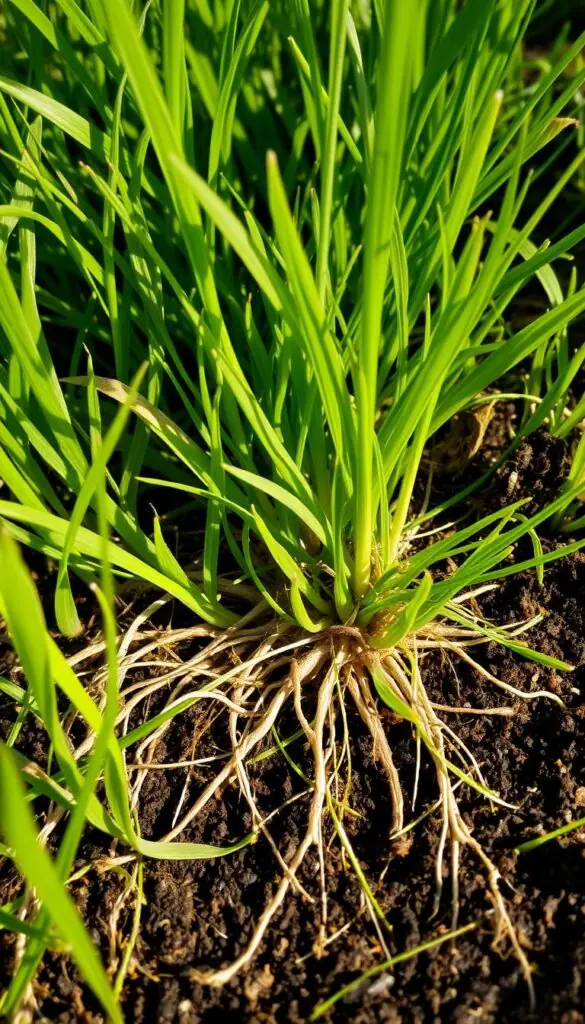
For seeded areas, be patient. Let the grass grow to roughly three inches before you attempt the first mow.
Why this helps: taller blades shade crowns and let roots thicken. Cutting too short weakens seedlings and invites weeds.
Fresh sod: root check before your initial trim
With new sod, do a gentle tug test. Lift a corner slightly; if the turf pulls away, wait longer.
If the sod resists and feels tied to the soil, you can make a careful light cut. Set your mower deck high and remove less than one‑third of the blade length.
- Water lightly and regularly so roots grow down; avoid heavy soakings right before cutting grass.
- Use a sharp blade for clean cuts; torn tips stress young turf.
- Keep height a bit taller for several cuts and lower in small steps to help roots deepen.
- Edge last and steer clear of sharp turns on seams to avoid lifting sod.
"A slow, gentle approach protects roots and sets your lawn up to thrive."
Cool‑season vs. warm‑season grasses: seasonal height guides
Different grass types ask for different blade heights as the seasons unfold. This simple rule helps you protect roots and encourage steady growth.
Cool‑season lawns — think Kentucky bluegrass, tall fescue, and perennial ryegrass — do best with a taller spring cut around 3 to 3.5 inches. That extra height shades soil, keeps color rich, and lowers disease risk during swingy weather.
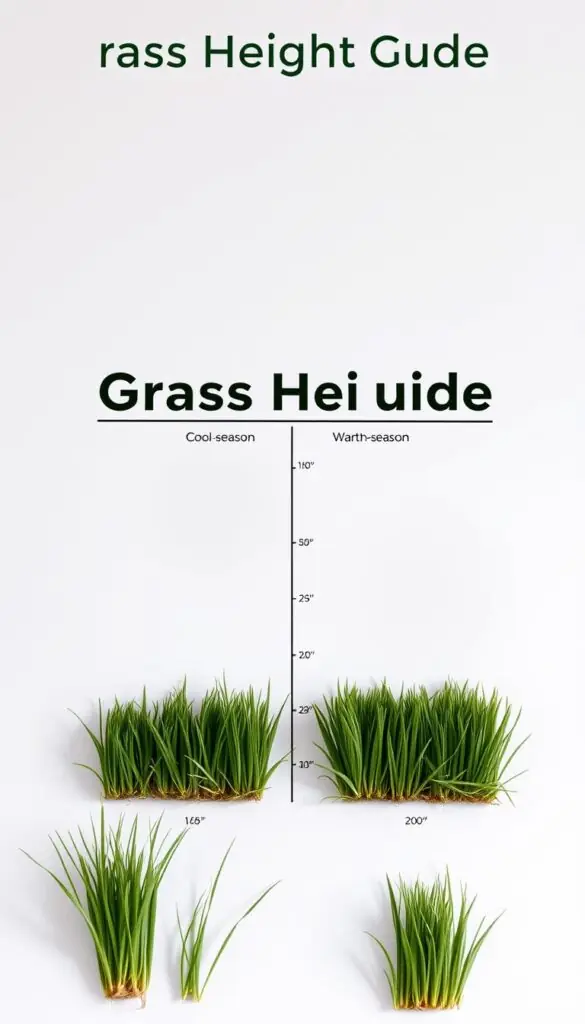
Warm‑season lawns such as Bermudagrass, Zoysia, St. Augustine, and Centipede wake later. Start with a higher setting, then ease into each variety's ideal height. Bermudagrass can be taken much lower in summer; Centipede should stay near 2 inches to stay healthy.
| Type | Spring height | Summer adjustment |
|---|---|---|
| Cool‑season (Kentucky blue, fescue) | 3–3.5 in | Lower slowly as needed |
| Warm‑season (Bermuda, Zoysia) | 3 in start | Bermuda: lower later; Zoysia: moderate drop |
| Centipede / St. Augustine | ~3 in start | Keep ≥2 in to protect roots |
- Use spring to stay higher and shelter crowns.
- Avoid big drops in height — lower the deck in small steps.
- If you see pale patches or rough texture, raise the deck and give the lawn a few days to recover.
Clippings, compost, and “grasscycling” done right
Letting short pieces of grass fall back into the turf is an easy way to feed soil as you care for new growth. When clippings are fine and scattered, they slip between blades and break down fast. This returns water and nutrients to the lawn without extra cost.
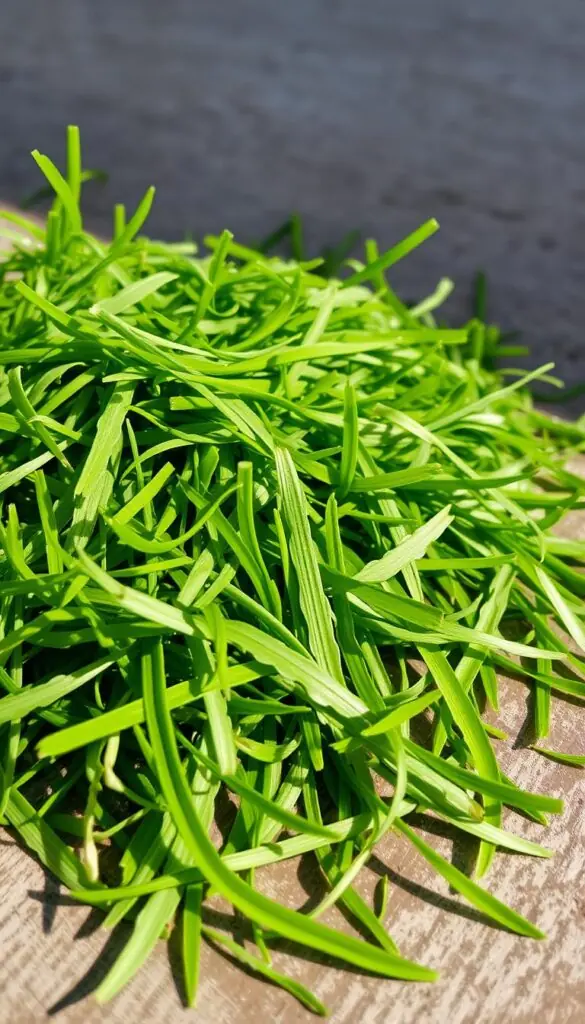
When to leave clippings: if you trimmed lightly, leave the small bits. They act like free fertilizer and help steady growth. Grasscycling keeps your garden cleaner by cutting down blown debris.
When to bag: remove thick clumps that can mat and smother the turf. Heavy piles invite weeds and bare spots. Rake or bag clippings after high‑growth weeks so the lawn breathes.
- In fast growth, mow more often so each pass leaves finer clippings.
- After a dry summer spell, let clippings dry a day or two into “hay,” then collect for compost or bird feeding.
- Compost surplus clippings with browns (leaves, straw) for a sweet, earthy pile that enriches soil.
- At meadow or wildflower area edges, clear clippings to keep soil lean and encourage blooms like clover.
"A light sprinkle of green confetti can do more for your lawn than a bag of chemicals."
Watering wisdom after cutting grass
Let the grass rest a little after a cut so water can do more good than harm.
Don’t water right away. Give your lawn a calm day to settle before you run sprinklers. Wetting soon after trimming can leave blades and crowns vulnerable.
Plan to water in the early morning. That is the best time because moisture soaks down to the roots while leaves dry as the day warms. Drier blades lower the risk of fungal disease.
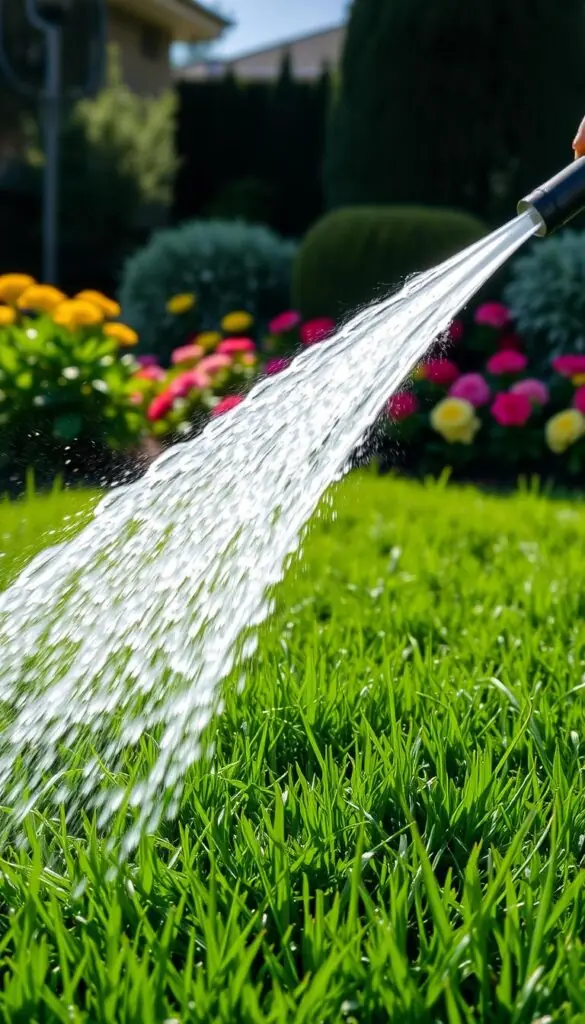
- In spring, only water when the soil a few inches down feels dry. Overwatering makes shallow roots and soft spots.
- Avoid midday watering — the sun wastes water and can scorch tender tips.
- Skip night watering; long, cool moisture invites fungi and disease.
- If clippings are light and spread evenly, they help hold soil moisture between sessions.
- During a dry week, lift a small patch: if the soil feels cool and slightly damp, wait one more day.
| When | Why | Quick check |
|---|---|---|
| Early morning | Delivers water to roots; leaves dry quickly | Soil a few inches feels dry or cool |
| Midday | Less efficient; risk of scorching | Avoid unless very dry and brief |
| Night | Raises disease risk | Leaves stay wet for hours |
"A calm pause after cutting, then a measured morning watering, keeps your lawn strong and rooted."
Common first‑mow mistakes to avoid
A calm, careful approach prevents avoidable marks and helps your lawn recover quickly.
Cutting too short is the most common error. Scalping exposes soil, slows recovery, and invites weeds and disease. Keep the deck high and remove no more than a small portion of length on an early pass.
Mowing wet or during frost tears blades and leaves ruts that stay visible. If the grass is damp or frost‑touched, wait until the lawn feels dry underfoot. That simple check protects crowns and root structure.
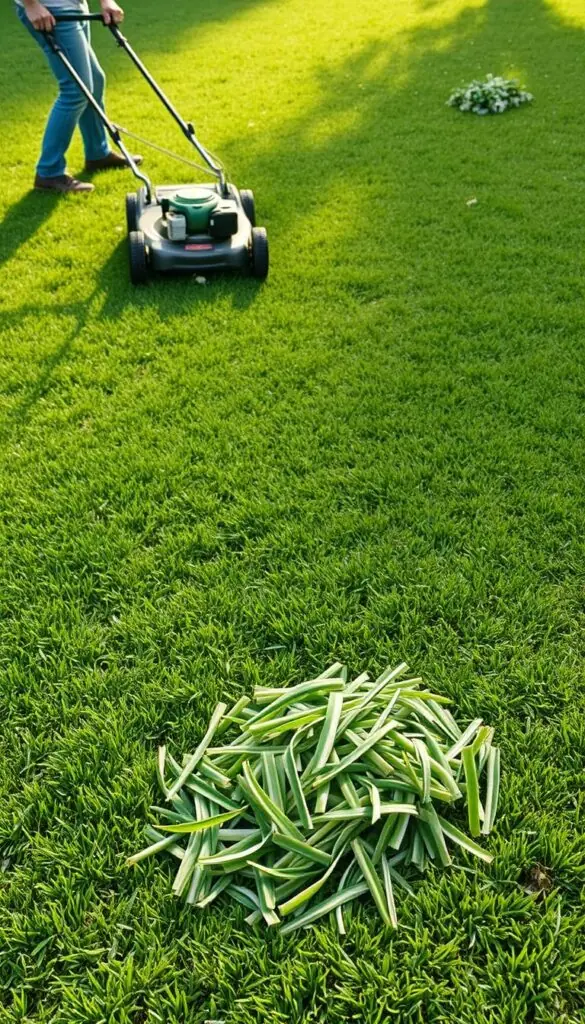
Dull blades bruise turf instead of cutting cleanly. A blunt blade makes tips brown and raises disease risk in changeable weather. Sharpen or replace blades before you cut after winter.
- Don’t rush turns; slow movement prevents scuffs and wheel digs.
- Pause to pick up clumps—leftover piles can mat and yellow grass.
- Lower deck in small steps over several cuts rather than a big drop.
- After winter, check fuel, tires, and blade so equipment won’t fail mid‑cut.
- If weeds appear, plan a gentle follow‑up treatment instead of drastic height changes.
| Mistake | Why it harms | Easy fix |
|---|---|---|
| Cutting too short | Scalps crowns; invites weeds | Raise deck; remove small amount |
| Mowing wet/frosty | Tears blades; leaves ruts | Wait for dry, firm ground |
| Dull blade | Bruised tips; higher disease risk | Sharpen or replace blade |
| Rushing | Scuffs, wheel marks, uneven cut | Slow down, overlap passes |
"A little time and a sharp blade keep your lawn healthy and steady."
Wildlife‑friendly choices: don’t mow every area
Leave a sunny patch to sway, and you’ll invite bees, birds, and tiny helpers.
Set aside a small area in your garden and let grasses and flowers grow a bit taller. This simple choice boosts pollinators and gives shelter to insects and small mammals after winter.
Mowed paths through wilder areas
Cut a clear, narrow path through the meadow‑like corner so you can enjoy dappled sun and the soft swish of grass. Keep the path tidy while the surrounding patch stays looser and more natural.
- Choose a sunny corner to leave a bit wild for pollinators and color.
- Walk the garden slowly before you mow lawn and check leaf piles for nesting animals.
- Rake debris off main lawns but tuck some leaves and sticks into the wild edge for habitat.
- Let sun and breeze dry an area after rain before bringing the mower near wilder zones.
"A tidy path into a wilder nook gives you easy access and lets nature thrive nearby."
| Feature | Why it helps | How to do it |
|---|---|---|
| Sunny wild corner | Attracts pollinators and birds | Leave 10–20% of lawn uncut, choose a sunlit spot |
| Mowed path | Allows strolls and observation | Keep path 18–24 inches wide, mow weekly as needed |
| Leaf & debris edge | Provides shelter for insects and small wildlife | Tuck leaves at border; clear main lawn surface |
As days warm after winter, alternate between trimming paths and letting wild patches rest. This balance keeps your main lawns neat while you enjoy a lively, nature‑rich nook.
Your spring-to-summer mowing cadence
Let the lawn's growth guide your schedule rather than a strict calendar. Start light in cool months and step up as grass warms and speeds up.
From fortnightly to weekly as growth speeds up
Begin in early spring by trimming every other week if growth is slow. Move to a weekly rhythm as temperatures rise and blades become livelier.
When summer arrives, many yards need a weekly or twice-weekly pass. Keep the one‑third rule—remove no more than a third of blade length each time.
If you’re away a week, return with a higher cut and then step down on the next session. Use your eyes: when grass looks a notch taller, it’s time for a light grass cut.
- Monthly quick blade checks keep results crisp during active months.
- Mark months of busy growth on your phone so mowing lawn stays a small habit.
- Adjust cut height in hot spells or drought to protect roots and color.
"A steady, gentle cadence keeps turf healthy all year and makes maintenance feel easy."
| Season | Typical cadence | Quick tip |
|---|---|---|
| Spring | Every 1–2 weeks | Start higher; many regions begin in early April |
| Summer | Weekly or twice weekly | Watch growth and stick to one‑third rule |
| Late fall | Slow to occasional | Let schedule ease as growth slows for the year |
Conclusion
A light, cautious pass at a higher deck helps roots settle and keeps your garden looking its best. Cut only a little on firm, dry ground and use a sharp blade for clean results.
Keep these tips close: wait for dry soil, set the deck high, and remove no more than a small portion each time. Small, steady choices protect the lawn and encourage steady growth through the year.
Let a few things be simple: steady lines, tidy edges, and a mower that starts easily. Leave one corner a touch wild for bees and birds, and keep a neat path that invites summer strolls.
Step back, breathe the green, and enjoy your home — you’ve made your outdoor space thrive with calm care and confidence.
FAQ
When is a new lawn truly ready for its first mow?
Check temperature, soil, and blade length. The ground should feel firm and dry underfoot, not squishy. If grass blades are standing tall and reach about three inches for seeded lawns, it’s a good sign. For fresh sod, wait until roots have started to grip the soil before trimming.
How do I know the ground is “firm and dry” enough to cut?
Walk across the area—your footprints should not sink much and soil shouldn’t stick to your shoes. Avoid mowing after heavy rain, early morning dew, or when frost lingers. Firm, dry turf reduces clumping and scalping, and protects fragile roots.
What mower prep should I do before the first cut?
Tune the lawn mower: sharpen the blades, refill fuel or charge batteries, and check oil and air filters. Do a safety sweep to remove sticks, stones, and toys. A sharp blade gives clean cuts that heal faster and lowers disease risk.
How high should I set the cutting height for a new lawn?
Use the one‑third rule: never remove more than one‑third of the blade in a single cut. In spring keep the height a bit higher to protect tender roots—adjust settings so you leave healthy, sunlit foliage that supports growth.
What’s the best time of day and weather to mow?
Aim for mid‑morning after dew dries or late afternoon when the sun is gentler. Never mow frosted or soaked turf. Calm, dry conditions give a cleaner cut, help clippings disperse, and reduce stress on grass.
How should I approach the first mowing passes?
Make slow, steady passes and alternate directions with each session to encourage upright growth and even stripes. Take your time near edges and obstacles; edge after mowing for a crisp, tidy finish without tearing blades.
When can I mow seeded lawn vs. new sod?
Seeded lawns are usually ready when blades reach about three inches and feel sturdy. For fresh sod, gently tug a corner—if it resists, roots are taking hold and you can make a light first trim. With both, be conservative on the height.
How do cool‑season and warm‑season grasses differ in cutting height?
Cool‑season grasses (like fescue or rye) thrive at slightly taller heights in spring and fall. Warm‑season grasses (such as Bermuda or zoysia) prefer a lower cut in their active summer months. Follow seasonal height guides to suit your grass type.
What should I do with grass clippings after cutting?
Consider grasscycling: leave fine clippings to return nutrients to the soil when they don’t form clumps. Bag clippings if the lawn is wet, excessively long, or diseased. Compost healthy clippings for a useful soil amendment.
Do I need to water right after mowing?
Usually wait—mowing stresses grass slightly, so allow a few hours for it to settle. Water in the early morning as needed to keep roots healthy, rather than immediately after a cut. Deep, infrequent watering encourages strong roots.
What are common first‑mow mistakes to avoid?
Avoid cutting too short, mowing wet turf, and using dull blades. Those errors can scalp grass, invite disease, and weaken roots. Also don’t rush—slow, careful passes protect seedlings and new sod.
How can I make my mowing routine wildlife‑friendly?
Don’t mow every corner—leave refuge areas or create mowed paths through wilder patches. Taller grass and small unmowed zones provide habitat for pollinators and beneficial insects while still keeping the yard tidy.
How often should I mow from spring into summer?
Start with a fortnightly rhythm in slow spring growth, then shift to weekly or as needed when the lawn speeds up. Follow the one‑third rule and adjust height and frequency based on weather, soil moisture, and temperature.