Early in the morning, you step outside to cool air and the faint, earthy scent after watering. You notice a few bluish-gray blades and a soft telltale dip where someone left footprints overnight.
Have you wondered how a simple weekly routine could keep that yard soft and green through the hot months? We’ll walk through friendly, practical steps you can fit into a busy week.
Start small: sharpen your mower, keep the deck a touch higher, and plan deep, infrequent watering so moisture reaches 4–6 inches. Use a hose or sprinkler and a screwdriver to check depth. Early morning watering cuts evaporation and helps roots stay cool.
Warm-season grass may take a light, low-nitrogen fertilizer; cool-season types rest in the heat and should not get summer feed. Spot-treat broadleaf weeds, prevent grubs, and avoid daily shallow watering or cutting too short.
With a simple kit by the back door—a sharp mower, hose, light rake and a hand sprayer—you’ll feel confident. The goal is steady habits that help your turf recover when cooler weather and rain return. Enjoy a lush, thriving outdoor spot to relax in.
Key Takeaways
- Watch for bluish-gray color and wilting blades as early heat stress signs.
- Mow higher and keep mower blades sharp to protect soil moisture.
- Water deeply once or twice weekly and test penetration with a screwdriver.
- Use low-nitrogen fertilizer only on warm-season types; skip feeding cool-season grass in the heat.
- Keep a small kit—hose, sprinkler, light rake, and hand sprayer—for quick, confident upkeep.
Start Smart: Read Your Lawn and Set a Simple Summer Plan
One short walk at dawn can reveal where your turf needs help. Scan for bluish-gray patches, droopy blades, or footprints that stay visible. These are early signs of heat stress, not a permanent problem.

Quick signs to watch
Look for footprints that don’t spring back, wilting grass, and pale or bluish tones. Note the exact spots and shaded or sunny areas so you can target help where it matters.
Gather a simple toolkit
Make sure your basics are ready: sharpen mower blades, coil a hose or set a sprinkler, and keep a flat screwdriver for soil checks. A light rake lifts matted patches, and a small hand sprayer lets you spot-treat broadleaf weeds safely.
- Press a screwdriver into the soil: hard to push = dry; slides too easily = possible overwatering.
- Water deeply once or twice a week to reach 4–6 inches, then wait a day to watch for recovery.
- Start with gentle fixes—lift, water, observe—before adding products or major changes.
Mow for Resilience: Higher Cuts, Cleaner Blades, Calmer Grass
Mowing the right way keeps your turf shaded, steady, and more resilient on hot days. The soft hum of a mower, the clean scent of clipped grass—those small moments matter. Simple adjustments help your grass hold water and resist stress.

Quick steps to follow
- Set height by type: warm-season grass at 2–3 inches; cool-season at 3–4 inches.
- Follow the one-third rule: never cut more than one-third of blade length in a pass.
- Keep mower blades sharp: sharp steel gives a clean slice, reduces moisture loss, and usually stays sharp about 10 hours of work.
- Grasscycle: leave fine clippings to return light nutrients and cut down watering needs.
- Walk the yard first to remove twigs and toys for an even, calm cut.
| Item | Recommendation | Benefit |
|---|---|---|
| Cut height (warm) | 2–3 inches | Shades soil; reduces heat stress |
| Cut height (cool) | 3–4 inches | Promotes deep roots; limits weed germination |
| Blade care | Sharpen every ~10 hours of mowing | Clean cuts, less tearing, lower moisture loss |
Watering and Soil Moisture: Deep, Infrequent, and Timed to the Weather
Give roots a drink they can use: deep, infrequent waterings timed to cool mornings help grass resist heat and recover faster.
Plan one or two thorough waterings each week so moisture reaches 4–6 inches down. That depth trains roots to grow where the soil stays cooler and steady.
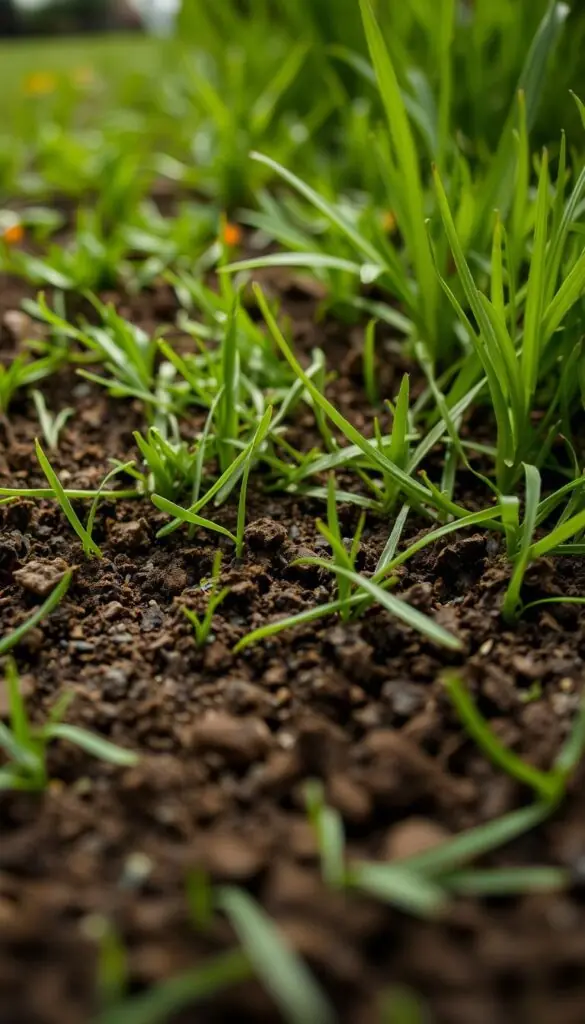
Simple checks and timing
Use a screwdriver to gauge soil penetration. If it meets steady resistance, it’s time to water. If it slides in too easily, wait another day or two.
Set sprinklers for early morning when evaporation is low. Water a day before a hot forecast to buffer stress, then let the turf rest.
Practical tips for tricky spots
- Check edges and curb strips—these dry first and may need a little extra soak.
- If runoff starts, pause 30–60 minutes and then resume so water soaks deeper to the roots.
- Remember: cool-season grasses may turn tan during drought; this dormancy is usually temporary and not permanent damage.
| Action | When | Why |
|---|---|---|
| Deep soak | 1–2 times per week | Reaches 4–6 inches; builds root strength |
| Screwdriver test | Before watering | Simple check of soil moisture and timing |
| Early-morning schedule | Before sunrise or dawn light | Less evaporation; better soak-in |
| Pre-heat buffer | Water a day before heat | Helps turf withstand short hot spells |
summer lawn care: Feeding Lightly, Controlling Weeds, and Stopping Grubs
A light, careful feeding plan keeps your turf steady without adding stress. Focus on small steps: the right feed, selective weed control, and timely grub prevention. This protects roots and helps grass recover.
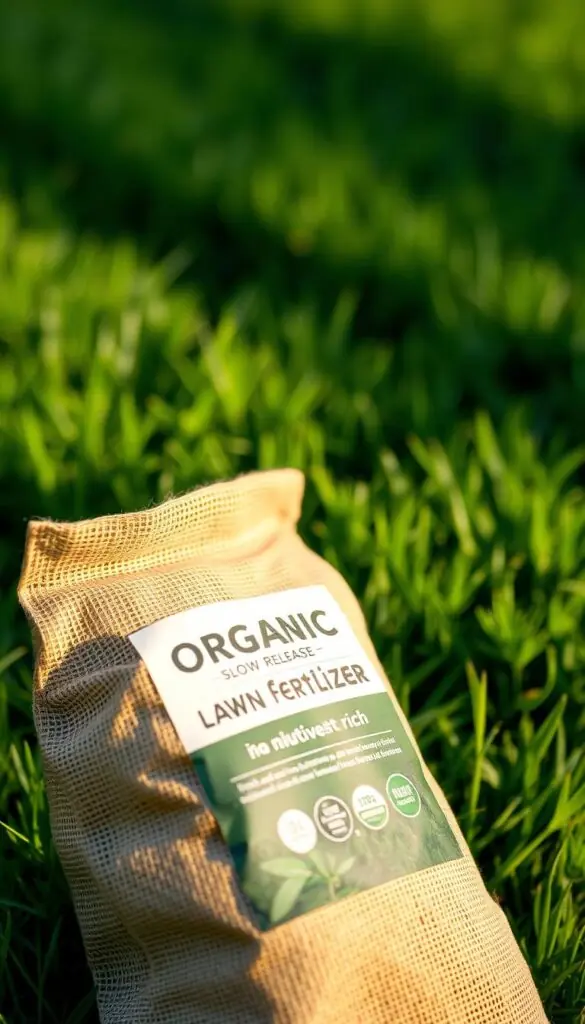
Fertilizer timing and type
Feed only if your grass type needs it now. Warm-season lawn can take a light, low-nitrogen fertilizer in early to mid-summer.
Avoid feeding cool-season lawns until fall or spring. Read the label and follow spreader settings. After applying a granular product, water lawn lightly to move nutrients into the soil.
Spot weed control — gentle and targeted
Walk your yard and hand-pull where possible. Use a handheld sprayer or hose-end sprayer to spot-treat broadleaf weeds.
"Choose products labeled for your grass type and apply when weeds are actively growing."
Preventative grub control
Apply preventative grub control before beetle larvae hatch. Stopping grubs early protects roots and prevents sudden brown patches.
| Action | When | Why |
|---|---|---|
| Light low-nitrogen fertilizer | Early–mid summer (warm types) | Steady growth without burning; protects soil life |
| Spot weed control | When weeds are actively growing | Less stress than blanket spraying; safer for grass |
| Preventative grub treatment | Before beetle hatch (late spring–early summer) | Protects roots; avoids large brown areas |
Patch, Breathe, and Prep for Fall: Simple Fixes That Beat the Heat
Small patches respond best to hands-on attention: loosen, seed, and keep the surface damp until sprouts show.
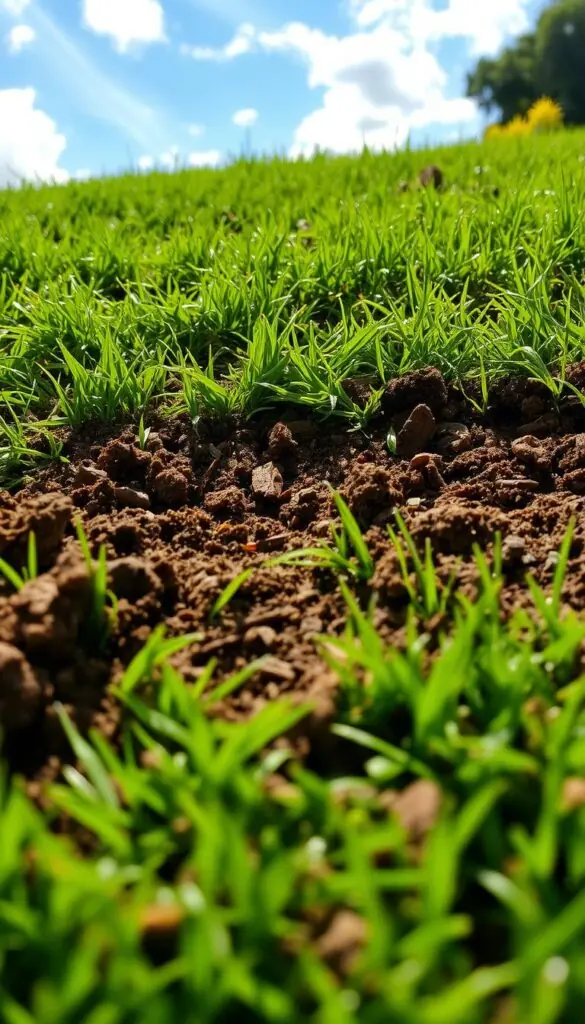
Rake thin spots lightly to loosen the top layer. Scatter seed so it just kisses the soil; you’ll see flecks like pepper across the surface.
Keep the upper inch evenly moist with light waterings once or twice a day at first. This prevents seedlings from drying on hot days and speeds visible growth.
After shoots reach 1–2 inches, shift to fewer, deeper waterings so roots move down into cooler soil.
When to aerate and overseed
On a moist day in late summer into early fall—early September is ideal—run a core aerator. Remove 3/4-inch by 3-inch plugs and aim for 20–40 holes per square foot.
Make multiple passes if needed. Let the plugs dry, then crumble them back or drag a mat to return organic bits to the turf. Overseed cool-season grasses after aeration; warm soil and cool nights help seeds establish with fewer weeds.
| Task | Timing | Why |
|---|---|---|
| Patch thin spots | Any time you see bare areas | Quick fix; restores color and softness |
| Keep top inch moist | Daily light waterings at first | Ensures consistent germination |
| Core aeration & overseed | Late summer–early fall | Creates holes for seed and improves soil contact |
| Mark high-traffic areas | When seeding | Rest spots so new grass can establish |
Note your watering week and mowing schedule so new grass gets a calm window between tasks. These small fixes restore soft, green areas and set your lawn up for the next season with less work.
Conclusion
Small, regular steps help grass stay steady and recover faster when weather swings.
When you mow a bit higher, water deeply once or twice a week to reach 4–6 inches, and feed lightly only when needed, your lawn shows steadier growth and calmer color. Keep early-morning watering, sharp mower blades, and gentle spot weed control as your basic routine.
If a patch looks tired, pause foot traffic, give it one good soak, and wait. With simple timing, low-nitrogen fertilizer only when appropriate, and occasional aeration or grub prevention, roots settle deeper and nutrients work better.
Enjoy the yard you’ve built: step outside, breathe in the fresh scent, and relax in a soft, sunlit space you helped grow.
FAQ
How can I tell if my grass is suffering from heat stress?
Look for footprints that stay visible, blades that wilt or fold, and a bluish-gray tint to the turf. These signs mean the grass is conserving water and needs attention — adjust mowing height, water deeply in the morning, and avoid heavy fertilizing until it recovers.
What basic tools should I have on hand to protect my yard?
Keep a sharp mower blade, a hose or sprinkler, a screwdriver for soil checks, a light rake for surface prepping, and a spot-spray applicator for targeted weed control. These simple items let you respond quickly to stress, weeds, or thin spots.
What mowing height is best for different grass types?
Set warm-season grasses around 2–3 inches and cool-season varieties at 3–4 inches. Taller grass shades soil, reduces moisture loss, and strengthens roots. Never remove more than one-third of the blade length in a single mowing.
Why do sharp mower blades matter?
Dull blades tear rather than cut, leaving jagged edges that lose moisture and invite disease. A clean slice heals faster and keeps the turf greener. Sharpen blades at least once a season or whenever cuts look ragged.
How often should I water to keep roots healthy?
Water deeply once or twice a week, aiming for 4–6 inches of soil moisture per session. Deep, infrequent watering encourages roots to grow down, making the turf more drought resilient. Use a screwdriver to check soil depth and water only in the early morning to limit evaporation.
Is light brown turf always a problem for cool-season grasses?
Not always. Cool-season grasses can enter a temporary dormancy and turn brown during hot stretches to conserve energy. If crowns and roots stay alive and green returns when temperatures drop or after rain, it’s a rest period rather than permanent damage.
When should I feed the turf and what type of fertilizer is safest?
For warm-season turf, a light midseason feed supports growth. For cool-season types, avoid heavy nitrogen during hot weather — wait until early fall or late summer transition. Use slow-release formulas and follow label rates to prevent burn and excess top growth.
How do I treat broadleaf weeds without harming the grass?
Spot-treat broadleaf weeds on calm mornings using a targeted herbicide or a hand-pull for small patches. Avoid blanket applications during heat spells and follow product directions closely to reduce the risk of turf damage.
What’s the best approach to prevent grub damage?
Apply preventative grub control in late spring or early summer, before beetles lay eggs, or use biological controls like milky spore where appropriate. Healthy, well-watered roots resist grub feeding better, so combine treatment with good cultural practices.
How should I repair thin or bare spots during hot months?
Lightly rake the area, spread seed appropriate to your turf type, and keep the top inch of soil consistently moist until seedlings establish. Avoid heavy seeding in extreme heat; aim for late summer into early fall for cool-season grasses when conditions are cooler.
When is the right time to aerate and overseed?
For cool-season turf, late summer into early fall is ideal for core aeration and overseeding. Soil temperatures are still warm for germination but air and nights are cooler, giving new grass a strong start before winter.
How can I reduce weed pressure while keeping turf healthy?
Mow at the recommended height, water deeply and infrequently, and keep mower blades sharp. Denser, healthier turf crowds out many weeds. Use timely spot treatments and avoid overfertilizing, which can favor some weed species.