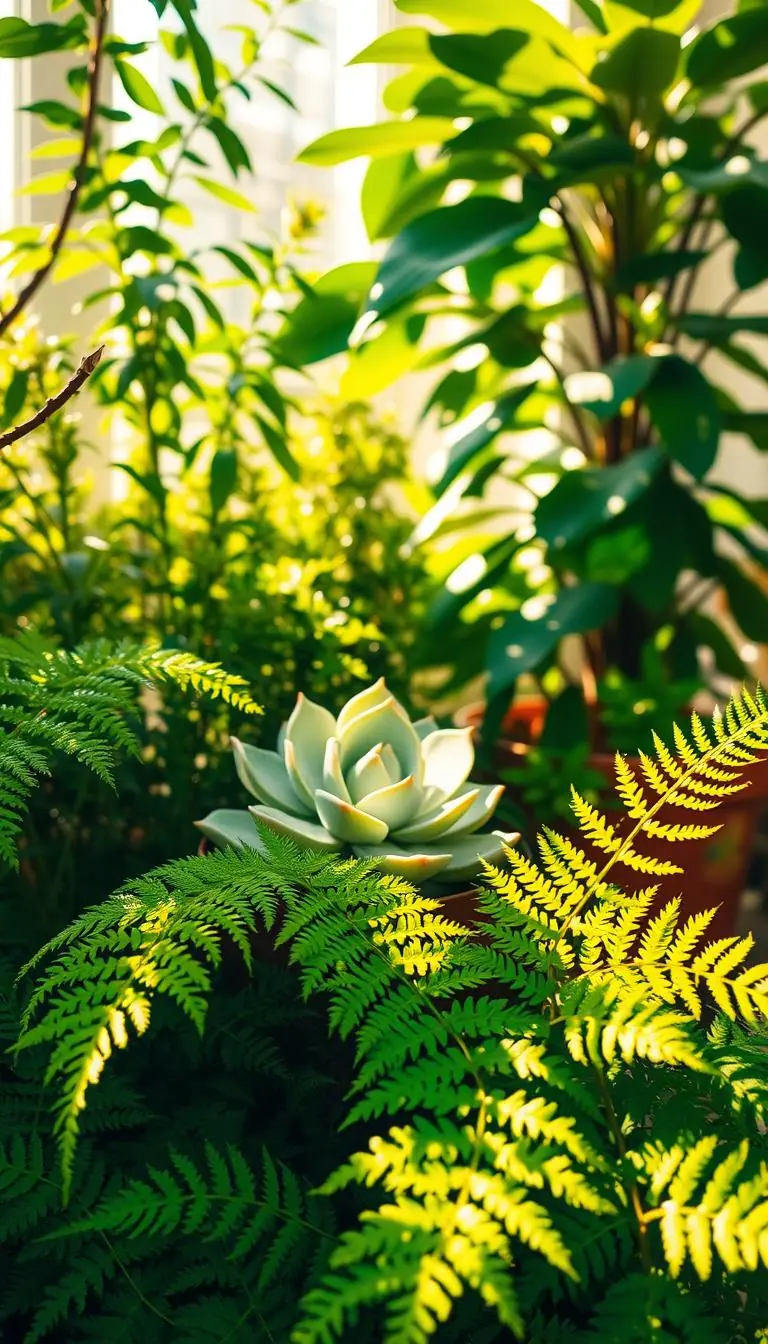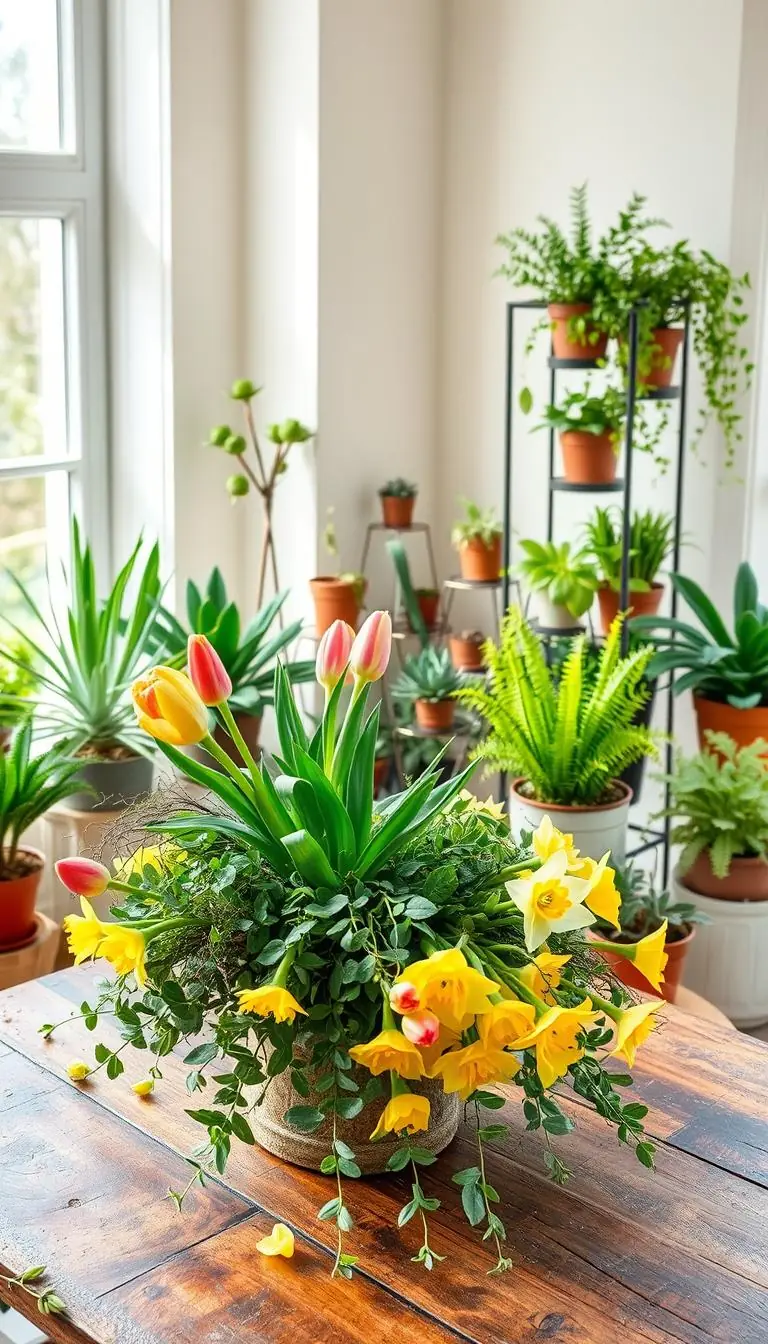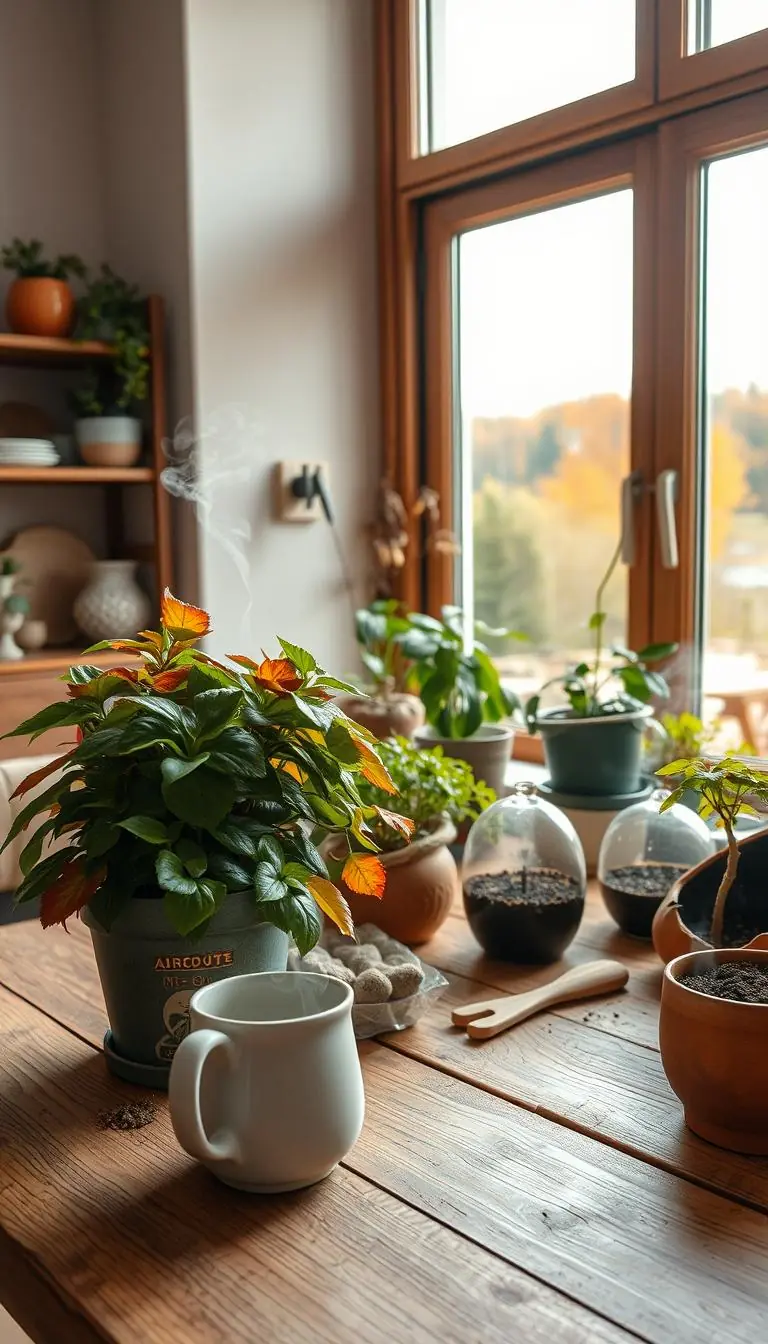
Imagine a quiet corner by your kitchen window where soft, cool green feels like a small retreat.
Do you notice dim spots in your home and wish for life there without full sun? You’re not alone. We’ll help you build a lush, low-light nook with proven winners that bring color and texture.
In this short guide you’ll learn how to read light in your rooms, pick varieties suited to part shade or full shade, and avoid common error when moving a new plant indoors.
Expect clear, practical steps—how many hours of indirect light most foliage and flowers need, simple potting mix tips, and tools like moisture meters and gentle grow lights that make care easier across the season.
Key Takeaways
- Low-light spaces can host attractive green and flowering varieties with the right choices.
- Map light room by room to match plant needs to real areas in your home.
- Use well-draining mixes, proper pots, and a simple watering rhythm to avoid common errors.
- Choose proven winners like coleus, begonia, and caladium for reliable color and texture.
- Seasonal care—light feeding, gentle pruning, and timely repotting—keeps a shade garden healthy.
Set the scene: What “low light” really means for indoor gardens
Walk through your rooms at different times and notice where light feels soft, not sharp. This simple habit shows you what counts as low light. Most indoor shade-loving leaves do well with about 3–6 hours of indirect glow rather than direct sun.
Map your home in three steps. First, note how many hours of indirect light each area gets. Second, mark deep shade zones where you can read but see no clear shadows. Third, find sun-shade transitions near bright windows filtered by sheers.
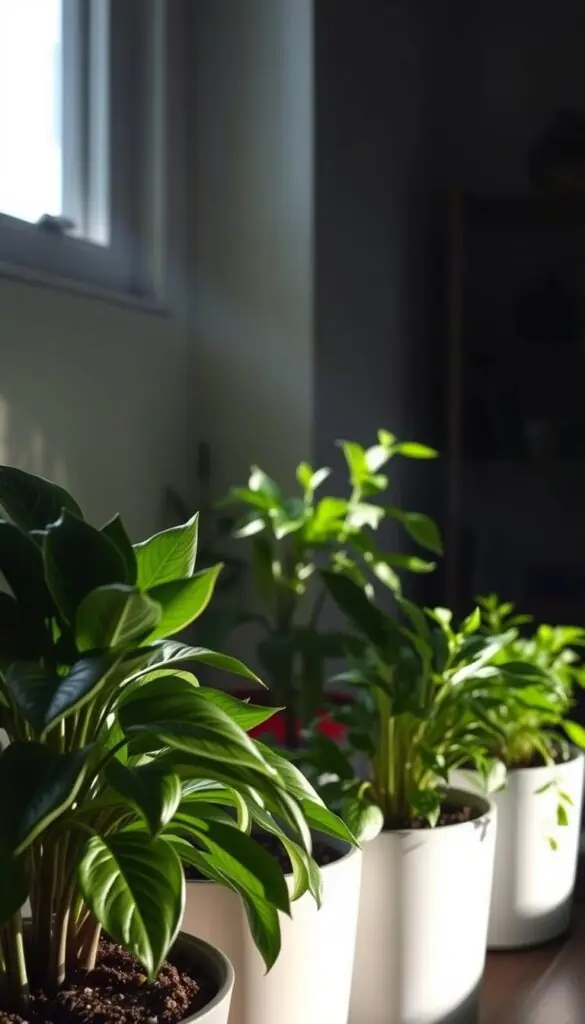
Use a phone light meter or the paper shadow test. Crisp shadows mean too much sun. Fuzzy shadows mean part shade. No shadow means deep or full shade indoors.
- Pair torenia near brighter, filtered spots for more blooms.
- Put brunnera in cool, dim corners with steady moisture.
- Give ligularia a moist, part-shade spot away from hot afternoon light.
Expect lower water use in dim areas—check soil with a finger or meter. Note plant height and growth so taller forms don’t block smaller ones. Label mapped areas to avoid error when adding new pieces.
Best shade plants for serene, low-light rooms
Turn quiet rooms into restful corners with tried-and-true varieties that thrive on less light. Below are proven winners you can mix for color, texture, and simple care.
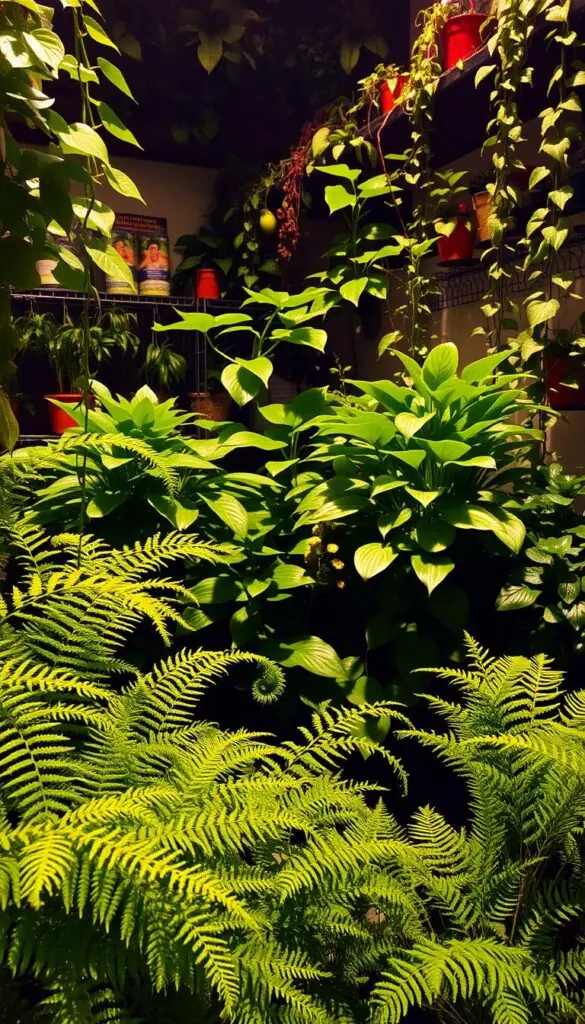
Foliage superstars for year-round color
Polka dot plant (16–22" H, 8–14" W) adds pink or white freckles and works well on shelves or desks. ColorBlaze coleus offers dramatic, velvety leaves from 14" to 3'4"—keep in part shade to hold rich tones and prevent legginess.
Caladium (15–20" H) glows in creamy pinks; use bright-indirect corners and keep soil lightly moist. Hosta ‘Waterslide’ (zones 3–9, 14" foliage, 32" spread) gives cool blue texture; a dark container makes the color pop.
Flower-forward picks for dim corners
Choose Surefire begonia (12"–2' H) for steady blooms with less water than impatiens; tuck into window boxes. Torenia (8–16" H) blooms more with a bit more light and stays compact in part shade.
Woodland texture and calm
Brunnera ‘Jack of Diamonds’ (14–16" H) loves full shade and steady moisture; its silver-green leaves and tiny blue spring flowers feel like a forest floor.
Japanese painted fern (20–22" H) brings silvery fronds; pair with Tiarella for layered texture and soft, bottlebrush blooms.
Structural accents and bold statements
Use Boxwood ‘Sprinter’ in containers for evergreen structure, and Yew ‘Stonehenge Skinny’ for narrow vertical interest—even in full shade. For a summer focal point, Ligularia ‘Bottle Rocket’ (28–34" H) sends mustard-yellow spikes; place near a cool, bright-indirect window and protect it from hot afternoon sun. Keep its soil evenly moist.
- Mix perennials and small shrubs with annual accents for season-long interest.
- Note each plant’s height to avoid crowding and error when arranging.
- Use well-draining potting mix, roomy containers, and consistent but modest watering.
How to pot and place low-light plants for success
A few simple choices at potting time set your low-light corner up to thrive. Start with the right container, breathable mix, and a clear spot plan.
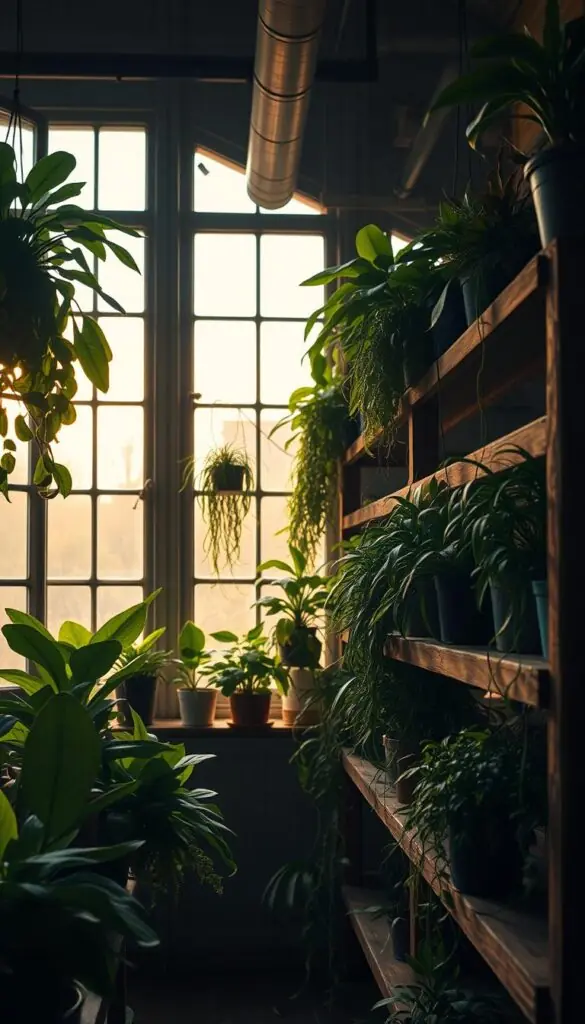
Choose containers, mix, and drainage
Containers: Pick pots 1–2 inches wider than the root ball with 1–3 drainage holes (~1/4" each). Add a matching saucer to protect surfaces.
Potting mix: Blend 60% high-quality indoor mix, 30% perlite, 10% sifted compost. This keeps roots airy and feeds gently over the season.
Top-dress: For moisture-loving picks like brunnera and ligularia, add fine bark to slow evaporation while keeping crowns clear for airflow.
Map light and place by hours of indirect light
Note how many hours of indirect light each area gets across the day. Put deep shade lovers in interior nooks and bright-indirect fans near north or east windows.
Stagger heights so tall pieces don’t cast shade on shorter neighbors. Track each pot’s location and height to avoid placement error later.
Watering rhythm, humidity boosts, and feeding
Water when the top 1 inch feels dry. Verify with a moisture meter or lift the pot to judge weight. Empty saucers after 10–15 minutes so roots don’t sit in water.
- Boost humidity: pebble tray (water just below pebble tops), group pots, or run a room humidifier.
- Feed lightly in spring through summer with a balanced, dilute liquid fertilizer every 4–6 weeks; reduce feeding in lower-light months.
- Rotate pots a quarter-turn every two weeks to keep growth even and reduce stretch toward the sun.
"Good potting and simple placement beat guesswork every time."
Keep a small notebook with pot location, watering intervals, and height. This helps you correct error, avoid repeat error, and enjoy steady progress without trial-and-error fatigue or error.
Design ideas that blend beauty and function in shade
Create a calm corner that reads like a living painting—soft tones, clear structure, and easy care. Start with one strong form, then add color pops and low-effort flowers.
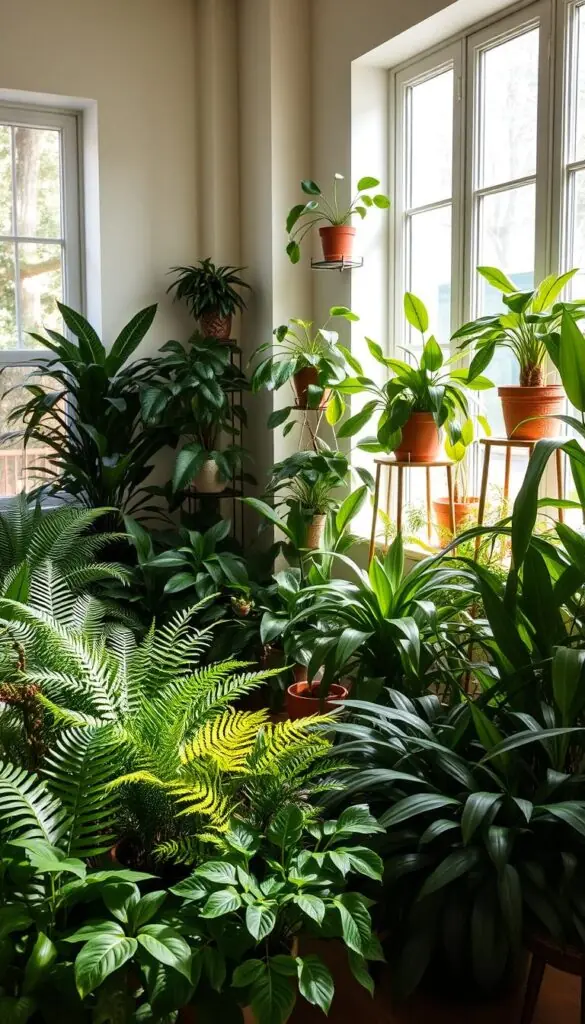
Color stories and textures
Build a soothing palette with chartreuse heucherella ‘Eye Spy’, silver-blue Hostas ‘Waterslide’, and rosy purple heuchera ‘Wild Rose’. The trio creates cool-to-warm movement that reads well in dim light.
Add white flowers like torenia or tiarella to sparkle where light is low. White draws the eye and brightens deep shade corners.
Easy layouts for entryways, shelves, and window boxes
Entryway recipe: one 14–16" dark planter with Sprinter boxwood for evergreen structure, ringed with 3–5 polka dot plants and a trailing torenia for soft blooms. This gives privacy and clear traffic flow.
Shelf plan: top shelf a slender yew in a tall pot, middle a mounded begonia, bottom a shallow tray of caladium for broad leaves and easy watering access.
Window box mix: begonia, torenia, and heuchera for steady flowers and lush foliage without constant fuss. Group those with similar water needs to avoid error.
| Area | Key form | Quick benefit |
|---|---|---|
| Entryway | Boxwood ‘Sprinter’ + polka dot | Structure, color, easy access |
| Shelf | Yew column, begonia, caladium | Layered height, neat watering |
| Window box | Begonia, torenia, heuchera | Flowers + foliage, low maintenance |
| Patio corner | Diervilla + boxwood | Deer resistant color and evergreen interest |
"Right-size height and leave a clear watering path to avoid error and keep care peaceful."
Common mistakes with shade gardening indoors—and how to avoid them
A few common missteps quietly stress indoor greens long before you see wilt. Catching these early keeps your low-light corner peaceful and thriving.
Overwatering is the top error. In dim spots soil dries slowly. Check the top inch with a finger or a moisture meter and water only when it feels dry.
No drainage causes root rot fast. Always use pots with drainage holes and a saucer. Repot into proper containers if needed.
- Don’t place shade lovers in direct sun or hot afternoon sun; move them to bright-indirect or full shade and soften light with a sheer curtain.
- Avoid crowding—space pots so air flows. Prune spent leaves and use an oscillating fan for gentle circulation.
- Mind mature height: read tags and place taller items behind shorter ones to prevent canopy shading and height error.
- Use a light, well-draining potting mix with perlite instead of heavy garden soil.
- Protect moisture-loving species (like ligularia and brunnera) with a pebble tray or humidifier and keep them away from hot afternoon exposure.
Simple rhythm: check water, wipe leaves, rotate pots a quarter turn weekly, feed lightly every 4–6 weeks in the growing season, and set a vacation plan with spikes or a neighbor’s check to avoid error.
Seasonal care and regional notes for U.S. growers
A few seasonal rituals will make transitions easy and keep growth on track year-round. Use small, steady steps at each change of season and you’ll avoid common error and stress.
Winter light stretch and spring refresh
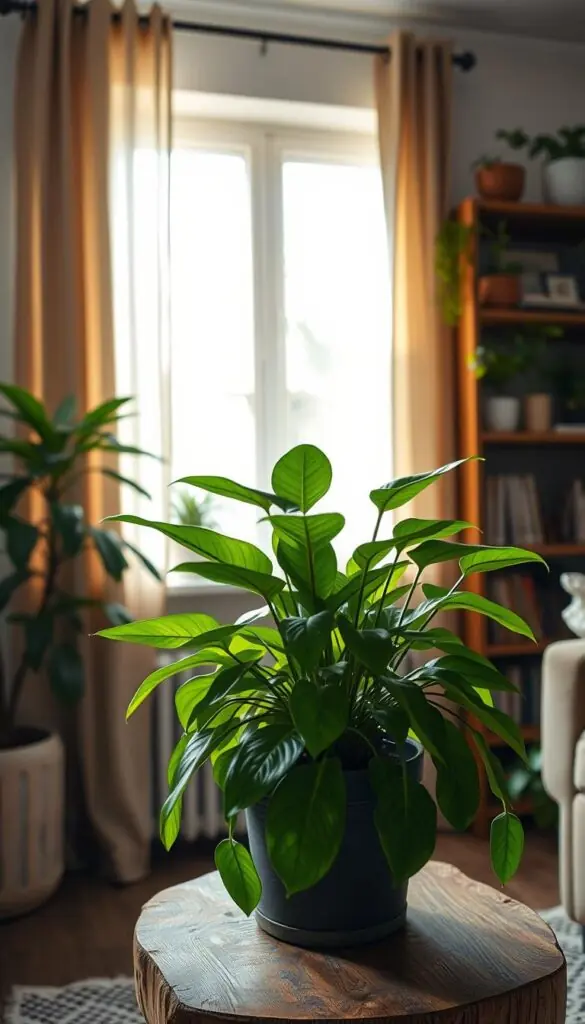
Winter: Clean windows, rotate pots every two weeks, and run a gentle grow light if light is very low. Keep most low-light varieties a touch drier when growth slows.
Spring: Prune faded foliage, top-dress with compost, and repot only 1–2 inches larger if roots circle the pot. In early spring, divide clumping perennials like heuchera when new buds appear.
Zone-aware transitions and outdoor moves
In zones 7–9 many containers can spend summer on a shaded patio. In zones 3–6, wait until nights stay above 50°F before moving outdoors.
Place pots under a dappled tree canopy for soft light and natural humidity. Bring containers in before the first chill, rinse leaves, and check for hitchhikers to avoid error.
| Task | When | Notes by zone |
|---|---|---|
| Rotate & clean | Winter | All zones — improves light and reduces dust |
| Divide clumps | Early spring | Zones 3–9 — replant in part shade |
| Summer patio move | Late spring to summer | Zones 7–9 safe; zones 3–6 wait for warm nights |
| Bring inside | Before first frost | Inspect for pests; avoid sun scorch near windows |
"Keep a seasonal log of repotting, pruning, and moves—this prevents guesswork and repeat error."
Tools, materials, and helpful add-ons for low-light care
A few well-chosen tools make low-light care calm and reliable. These items cut down on guesswork and protect your containers, foliage, and time.
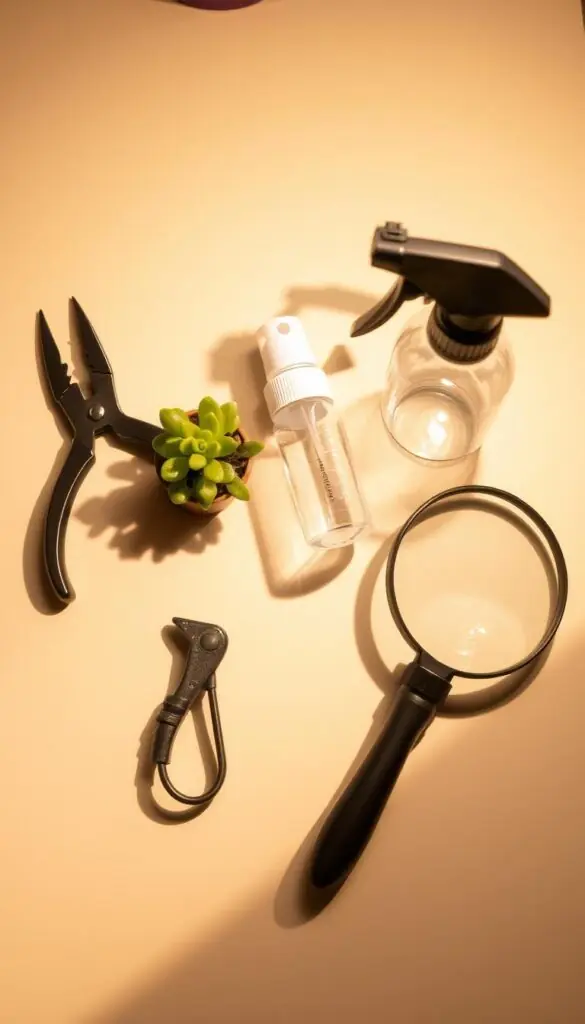
Planters, saucers, meters, and gentle grow lights
Planters: Choose ceramic or lightweight resin with drainage. Size pots 1–2 inches wider than the root ball and pair with snug saucers to protect floors and keep the garden tidy.
Moisture meters: Use them as a second opinion. Water only when the top third of the mix reads dry. This prevents soggy roots and common error in low-light corners.
Grow lights: For low-light foliage, use 3000–5000K LEDs set 12–18 inches above leaves on an 8–10 hour timer. Keep intensity low-to-moderate to avoid leaf scorch.
Compost, fertilizers, and tidy upkeep bins
Top-dress compost: Add 1/4 inch in spring for gentle feeding. Apply slow-release fertilizer at label rates for steady support without overfeeding.
Tidy bins: Store pruners, a soft brush, plant labels, spare saucers, and a small moisture meter. A single bin makes weekly care quick and peaceful.
- Stakes for narrow evergreens: Slim supports keep a container yew or Sprinter boxwood upright in high-traffic spots without crowding neighbors.
- Stands and risers: Elevate trailing flower displays so air and light reach every leaf; mind height so taller shrubs don’t cast unwanted shade.
- Foliar care: Wipe leaves with a microfiber cloth to keep foliage dust-free and breathing well.
| Item | Why it helps | Quick guideline |
|---|---|---|
| Planter + saucer | Protects floors and improves drainage | 1–2" wider than root ball; snug saucer |
| Moisture meter | Prevents overwatering error | Water when top 1/3 reads dry |
| LED grow light | Gives gentle supplemental light | 3000–5000K; 12–18" above; 8–10 hr timer |
| Compost & slow-release | Steady nutrition without spikes | Top-dress 1/4" in spring; follow label rates |
"Keep a simple card on each shrub or evergreen with watering frequency and light preference to reduce mistakes and error."
Conclusion
Turn a dim corner into a restful spot by choosing a few reliable starters and a weekly rhythm. Map your light, pick 3–5 new plants like begonias, Hostas ‘Waterslide’, and heuchera ‘Wild Rose’, and set a simple check each week for water and leaf care.
Protect foliage from hot afternoon sun by moving pots a few inches back or adding a sheer. Save moisture lovers like ligularia for cool, damp areas and use yew or diervilla where dry shade rules.
Mix perennials with a structural shrub or two and add a small tree form if space allows. Track hours of indirect light through spring, summer, and fall so you can adjust feeding and placement without error.
Start small, shop smart at a local sale, and enjoy the calm. You’re building a quiet, living corner that grows with you—one peaceful moment at a time.
FAQ
What does "low light" really mean for indoor gardens?
Low light describes rooms that receive no direct sun, often north-facing or with obstructions like trees or buildings. You’ll still get indirect or reflected light near windows; count on 2–4 hours of bright indirect light or several more hours of gentle, diffuse light for most tolerant varieties.
Which indoor varieties perform best with limited sun?
Look for foliage-focused varieties such as polka dot plant, coleus, caladium, and hosta for reliable color. For blooms in dim corners, begonias, impatiens, and torenia often reward you with flowers. Ferns and woodland favorites like Japanese painted fern, brunnera, and tiarella add soft texture and calm.
Can I keep compact evergreens or structured accents indoors?
Yes. Small, well-pruned forms of boxwood or container yew can work in bright-indirect spots near a window. Keep them in slightly brighter locations than the true low-light foliage picks and rotate occasionally so growth stays even.
How should I pot and position these varieties for the best results?
Choose a pot with drainage, use a light, well-draining mix, and avoid oversized containers that hold excess moisture. Place plants where they get the most consistent indirect light — a few feet from a north or east window is ideal. Use saucers and lift pots slightly to improve airflow under the container.
How do I map light in my home to choose the right spot?
Observe a room over a day and note hours of bright indirect versus very dim conditions. A simple smartphone light meter app helps. Bright-indirect areas get filtered sun for several hours; deeper rooms near interior walls receive only low, reflected light and suit the most tolerant varieties.
What watering rhythm and humidity helps these plants thrive?
Water when the top inch of mix feels dry; many tolerant varieties dislike sitting wet. Increase humidity with pebble trays, occasional misting, or a humidifier, especially in winter when indoor air is dry. Feed lightly during the growing season with a balanced, slow-release fertilizer.
Which design combos create a calm, layered look without heavy upkeep?
Pair chartreuse foliage with silver-blue leaves and touches of rosy purple for contrast. Group plants with similar light and water needs on shelves, in entryways, or window boxes. Vary heights and textures for depth while keeping maintenance simple by using the same watering routine.
What are common mistakes people make with low-light indoor gardening?
Overwatering is the top culprit — roots need oxygen as well as water. Crowding unrelated species with different needs causes stress. Placing a supposedly tolerant variety in a truly deep interior corner without any natural light will lead to leggy growth or leaf drop.
How should I care for these containers across the seasons in U.S. climates?
In winter, rotate pots toward light and reduce watering as growth slows. In early spring refresh topsoil, prune spent growth, and repot or divide if roots are crowded. For warm-season patio moves, harden plants off gradually and return indoors before cool nights begin.
What tools and extras make upkeep easier for low-light indoor collections?
Keep a moisture meter, quality potting mix, saucers, and gentle LED grow lights for very dim spots. Slow-release fertilizer and a small hand pruner or shears help with tidy upkeep. Compost or organic potting amendments support steady, healthy growth.
Are there deer-resistant or pet-safe options for indoor settings?
Many common indoor varieties are unappealing to deer, but indoors the bigger concern is pet safety. Choose non-toxic options if you have curious cats or dogs; verify each species against reliable resources like the ASPCA database before bringing them home.
How tall will these varieties grow and how often should I prune?
Heights vary widely — compact forms stay small for shelves, while hosta or ligularia can reach a couple of feet. Light pruning to remove spent leaves and occasional trimming to maintain shape keeps plants looking fresh. Repotting every 1–3 years prevents root-bound stress.