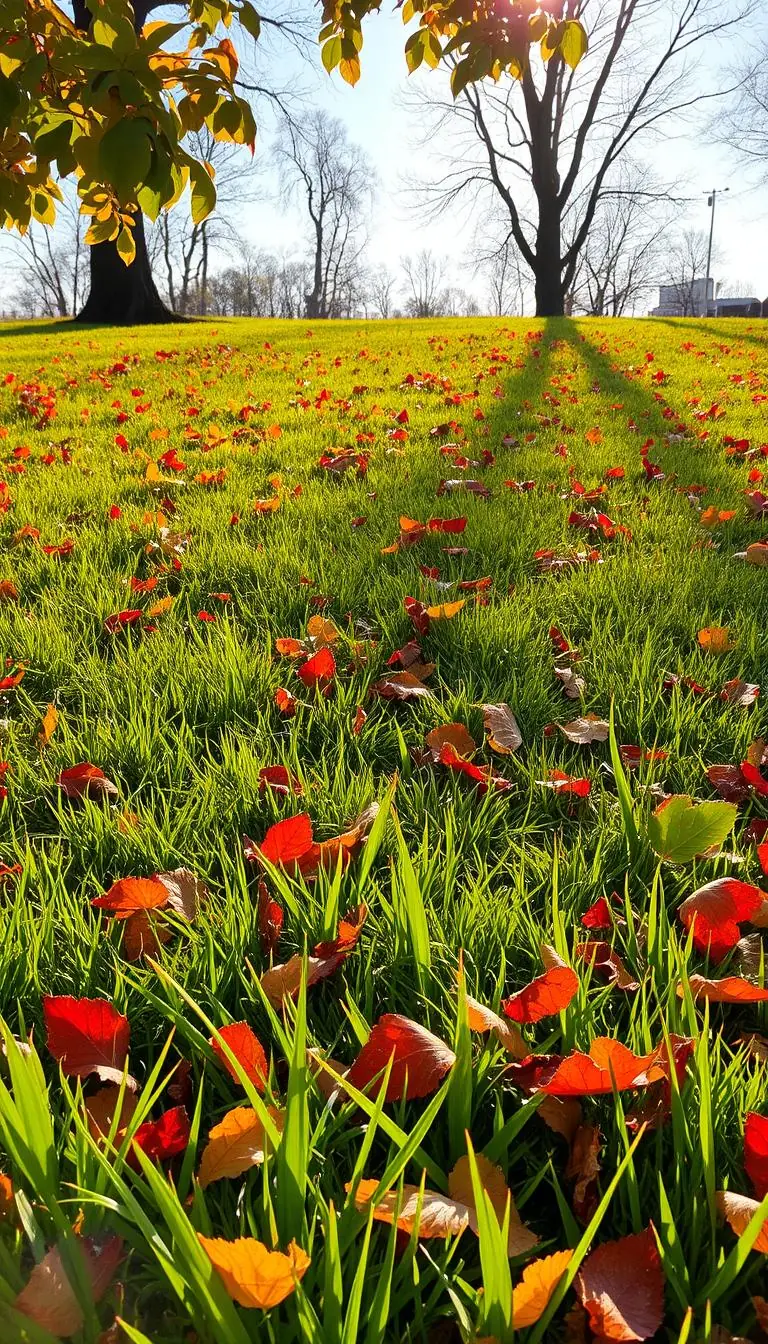
Imagine walking outside at sunrise, the grass tipped silver-blue and the air cool. You press a fingertip into the soil and smell a faint, earthy compost note.
Have you noticed those early signs—a purplish sheen or footprints that linger? You can spot trouble before serious damage shows and act with calm, simple steps.
This guide offers friendly, step-by-step tips you can use right away. We'll show when to water in the morning, how to test soil with a screwdriver or probe, and why a hose-end timer and a tuna can rain gauge help save every drop.
You'll also learn mowing tricks—cut high and keep blades sharp—to protect roots and reduce drought stress. Small fixes, like a light compost topdress, help soil absorb rather than shed rain.
Across your area and season, these small routines keep grass thriving and ease the worry when weather turns dry.
Key Takeaways
- Learn to read early signs so you can act before damage sets in.
- Water smart in the morning and use timers to avoid waste.
- Mow high and sharpen blades to protect roots and reduce stress.
- Use simple tests—screwdriver soil probe and tuna can rain gauge—for better decisions.
- Topdress lightly with compost to improve soil absorption.
- Pause fertilizer and heavy traffic during dry conditions to help recovery.
Spotting Drought Stress Before Damage Sets In
Step outside at dawn and look for a bluish-gray sheen that tells you something's off. A quick morning walk test gives clear, early signals so you can act before real damage appears.
Simple walk test
- Do the morning walk: if footprints linger and the grass feels a bit crunchy instead of cool and springy, those are early signs.
- Watch for a blue-gray cast and grass blades that roll or fold lengthwise—that’s the plant conserving moisture.
- Scan high-traffic paths: if tracks stay visible, ease up on traffic to let recovery begin.

Reading the stages
Early stress: bluish-gray tone and lingering footprints. The tipping point brings patchy color and slower growth. Pre-dormancy looks greenish-brown, and full dormancy turns straw-tan.
Not every brown patch is the same
Differentiate problems: a uniform color shift usually points to drought; irregular brown patches, rings, or visible fungus suggest disease. Sunny, spotty decline can mean chinch bugs.
"When in doubt, treat for moisture first: water early in the morning and reassess before using pesticides."
Confirm with a screwdriver soil probe—if it won’t slide in 2–3 inches, the soil may be repellant and water will run off. Note the area and respond with timed, morning watering and reduced mowing to protect crowns and reduce lasting damage.
Watering That Works: Timing, Depth, and Consistency
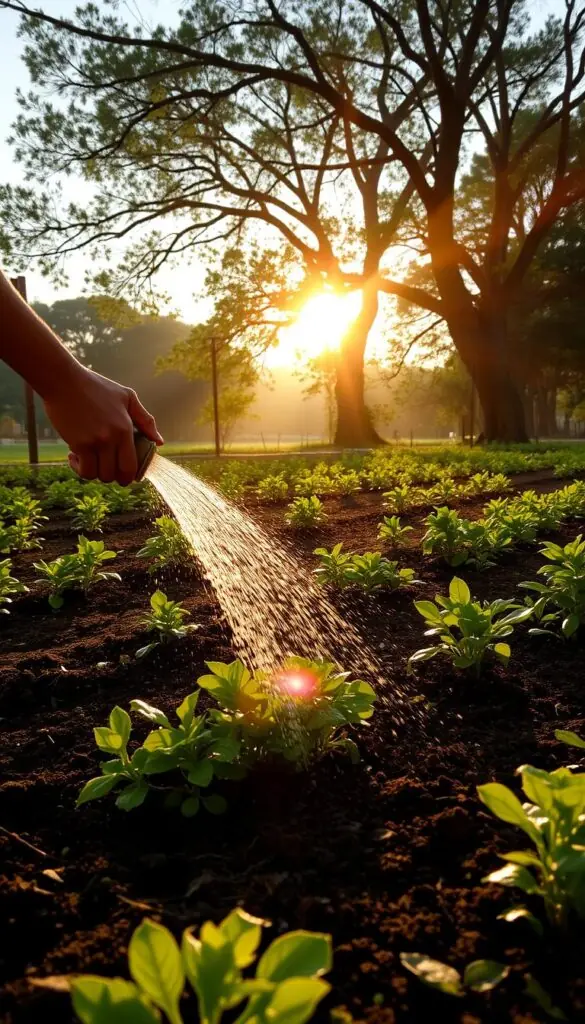
A steady watering rhythm beats guesswork and keeps roots healthy through hot spells. Aim for early morning irrigation between 5–7 a.m. so water soaks in while air is cool and leaves dry by sunrise. This lowers evaporation and disease risk.
Simple steps to set a reliable routine
- Target about 1 inch per week including rain; use a tuna can gauge to time each sprinkler zone.
- Use a hose-end timer or smart controller and add a rain sensor to avoid watering during wet weather.
- For hard or hydrophobic soil, run cycle-and-soak: 8–10 minutes, rest 30–60 minutes, repeat until you hit depth goals.
- Check penetration with a screwdriver — aim for roughly 6 inches to encourage deep root growth.
| Goal | When | Run time | Tool |
|---|---|---|---|
| Normal weekly | 5–7 a.m. | Until 1" per week | Tuna can + timer |
| Hard soil | 5–7 a.m. | 8–10 min cycles, repeat | Hose timer |
| Survival watering | Early morning | ~1/2" every 7–14 days | Smart controller |
"Fewer, deeper waterings beat daily spritzes — they help roots find the cool, moist layers below."
drought lawn care Essentials: Mowing High, Limiting Traffic, and Smart Scheduling
A higher cut and sharp blades are the simplest tricks to keep grass resilient when weather turns harsh. Set the mower at the tallest recommended height for your type—often 3.5–4 inches in summer—to shade soil and slow moisture loss.
Set mower blades high and sharp for deeper roots and cleaner cuts
Keep mower blades razor-sharp. A clean slice heals fast and looks even. Ragged tips dry and brown, adding unnecessary stress to your grass.
Follow the one-third rule: never remove more than a third of blade length at once. This helps roots stay steady and reduces shock.
Skip mowing and minimize foot traffic on drought-stressed lawns
When your yard shows stress, pause mowing and move play areas to paths or mulch. Wheels and footprints can crush crowns and slow recovery.
- Stagger mow time to cooler hours—late morning or evening on milder days.
- Use a mulching mower to return fine clippings as a light, cooling mulch.
- Flag high-stress zones so family and crews avoid them until color and spring-back return.
"A taller cut and a sharp blade give your grass the quiet time it needs to bounce back."

Soil, Thatch, and Feeding: Build Resilience From the Roots Up
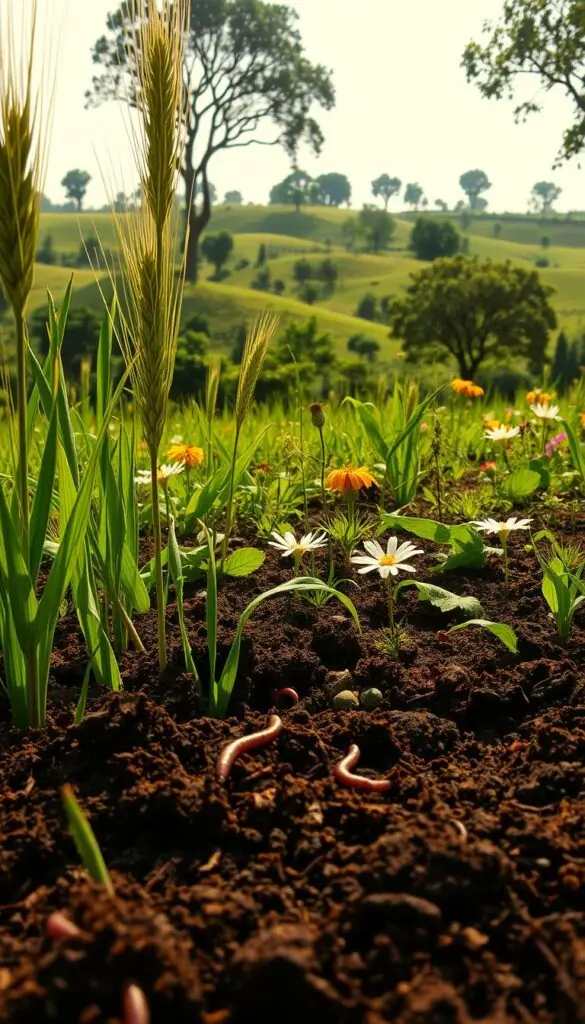
Start by treating the soil as the real foundation—small changes here pay off fast. Healthy soil holds moisture, stores nutrients, and helps roots reach deeper for steady growth. A few gentle moves protect your grass through hot, dry spells.
Improve water retention and root strength
Topdress lightly with a 1/4-inch of screened compost. It smells earthy and evens wetting, so hydrophobic patches stop shedding water. Rake the compost into the canopy so it settles to the soil without smothering blades.
Tools that help without extra stress
- Try sea kelp as a gentle tonic to support root function and steady growth.
- Use moisture managers like Hydretain to help the root zone hang onto water longer.
- Water in amendments per label, then return to deeper, less frequent watering to promote root growth.
Thatch checks and feeding timing
Slice a small wedge with a trowel. A springy, brown thatch over 1/2 inch can trap roots above the soil where it dries fast. Plan dethatching or core aeration in a favorable period—cooler growth times for cool-season grass, active growth for warm-season types—not during peak drought stress.
Pause broad fertilization now. Feeding can push tender growth your soil can't support. For color without extra growth, use a soluble iron supplement on a drought-stressed lawn.
Seasonal and Regional Notes: From Cool-Season Yards to South Florida Dry Season
A little seasonal planning in fall and early spring pays off with stronger roots in summer. For cool-season grass, aerate or dethatch during those windows so root growth gets a head start before the hot period arrives.
In South Florida, the dry season runs roughly November through April. Palm Beach County faced extreme drought with just 4.18 inches of rain since Nov 1, 2024—so warm-season species like St. Augustine, Zoysia, and Bermuda need careful, efficient watering and watchful eyes for stress signs.

Practical regional tips
- Watch signs: gray-blue hue, folded leaves, and footprints that linger on sunny spots.
- Hold broad fertilization during severe conditions; resume feeding after the period eases.
- Keep mower height high to shade soil and protect roots; avoid cutting wilted blades in the heat.
- For new sod in dry months: remove old turf, till 4 inches, add compost, level smooth, lay the same day, roll for contact, and use a hose timer to water early morning daily for two weeks to moisten about 6 inches.
"Lay sod the day it arrives and water in early morning to help roots establish without waste."
Conclusion
A few simple morning rituals make a big difference. Watch the signs, water between 5–7 a.m., and set aside a little time each week to check soil with a screwdriver and a tuna can gauge. These small steps protect growth and help roots reach deeper layers.
Raise mower height and keep mower blades sharp. Pause fertilizer while conditions are tight and favor an iron boost if you want color without extra nutrients. For sod in a dry season, prep well and water steadily to establish contact and avoid damage.
With steady, calm watering and light traffic, your lawn will rebound. Enjoy those cool, sunlit mornings — your thoughtful lawn care gives you a yard ready for bare feet and evening smiles.
FAQ
How can I water efficiently during a dry spell without wasting water?
Aim to water deeply and infrequently. Early morning irrigation between 5–7 a.m. reduces evaporation and disease risk. Apply roughly one inch per week, split into one or two sessions depending on soil type. Use a rain gauge or a tuna can to measure output and adjust run times. For hard or water-repellent soils, use short cycle-and-soak sessions to let water penetrate rather than run off.
What are the first signs of stress that I should watch for?
Look for a blue-gray cast to the grass, footprints that stay visible, and blades folding or rolling together. These show early stress before full browning. Catching these signs early helps you target watering and foot traffic to prevent long-term damage.
How do I tell if browning is from moisture stress or from pests and disease?
Moisture-related decline tends to be uniform or follow sun exposure patterns. Pests and diseases usually create patchy browns, rings of fungus, or chewed blades. Check for insects like chinch bugs, look under thatch for grubs, and inspect for fungal lesions. If symptoms are patchy or you see insects, treat accordingly rather than simply watering more.
How much water is enough each week?
A good target is about one inch per week for most soils. Sandy soils may need more frequent, lighter applications; clay soils benefit from fewer, deeper soakings. Use a soil probe or spade to check that moisture reaches 4–6 inches deep where roots live.
What’s the best watering schedule if my area has odd restrictions?
Follow local limits, then prioritize survival watering: soak stressed zones to keep crowns and roots alive. Reduce frequency but water enough to prevent complete dormancy if restrictions allow. Group irrigation by plant needs and use drip or targeted systems where possible.
When is the ideal time of day to water?
Water early in the morning, ideally between 5–7 a.m. This timing lets plants take up moisture before heat builds and lowers disease risk compared with evening watering.
What mower settings help plants cope with low moisture?
Raise mower blades to leave grass taller — this shades soil, slows evaporation, and encourages deeper roots. Keep blades sharp for clean cuts. If stress is severe, skip a mowing cycle to let plants recover and minimize blade injury.
Should I reduce foot traffic on stressed areas?
Yes. Limit walking, play, and equipment on weakened turf. Traffic compacts soil and damages crowns, slowing recovery. Use temporary paths or mulch to protect high-use zones until the grass strengthens.
How can I improve soil to hold more moisture?
Topdress thinly with compost to boost water retention and soil life. Incorporate moisture managers or wetting agents on hydrophobic soils. Sea kelp or organic amendments can help microbial activity and resilience, making the ground better at storing water between irrigations.
What should I do about thatch during dry periods?
Inspect thatch layers; if they’re thick, they can act like a sponge and keep water from reaching roots. Avoid aggressive dethatching during stress. Light raking or core aeration in cooler, less-stressed seasons is safer and helps water and roots get down into the soil.
Is it safe to fertilize when the lawn is under moisture stress?
Hold off on heavy fertilization while plants are stressed. Fertilizer can force shallow growth that needs more water. If color is the main concern, a small dose of soluble iron can darken blades without stimulating top growth.
When should I focus on seasonal root-building to prepare for summer heat?
Fall and early spring are the best times to encourage deep root growth. Cooler temperatures and increased rainfall help roots establish without the heat stress of summer. Schedule aeration, overseeding, and organic feeding in those windows for stronger summer performance.
How do warm-season grasses like St. Augustine, Zoysia, or Bermuda react in extreme dry weather in places like Palm Beach County?
Warm-season varieties become dormant and brown to conserve resources. They tolerate heat better but still need periodic deep watering to keep crowns and roots viable. In extreme conditions, reduce mowing and traffic, and water strategically to preserve sod rather than push growth.
Can I lay sod safely during the dry season?
Yes, with preparation. Improve the soil, keep the root zone moist, and water-in new sod thoroughly after installation. Use frequent, short watering at first to encourage rooting, then transition to deeper, less frequent soakings as the sod establishes.