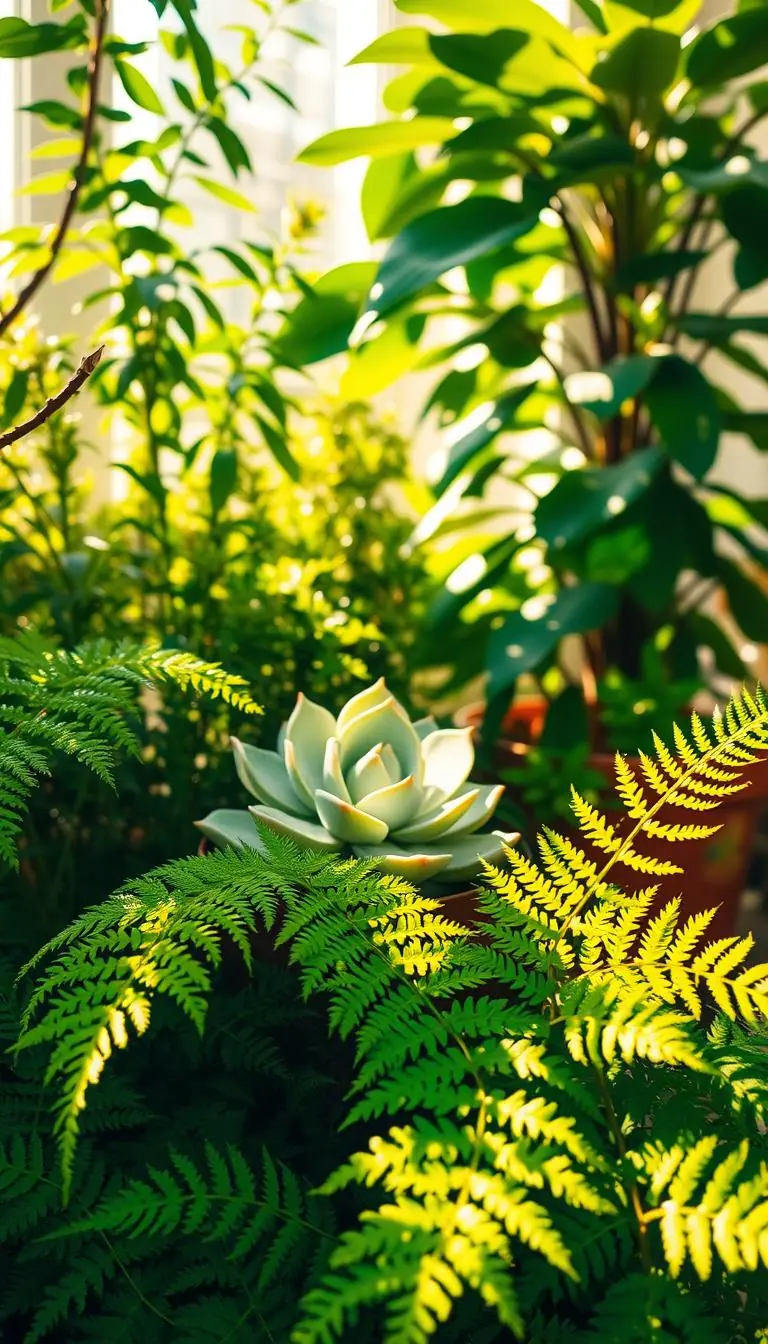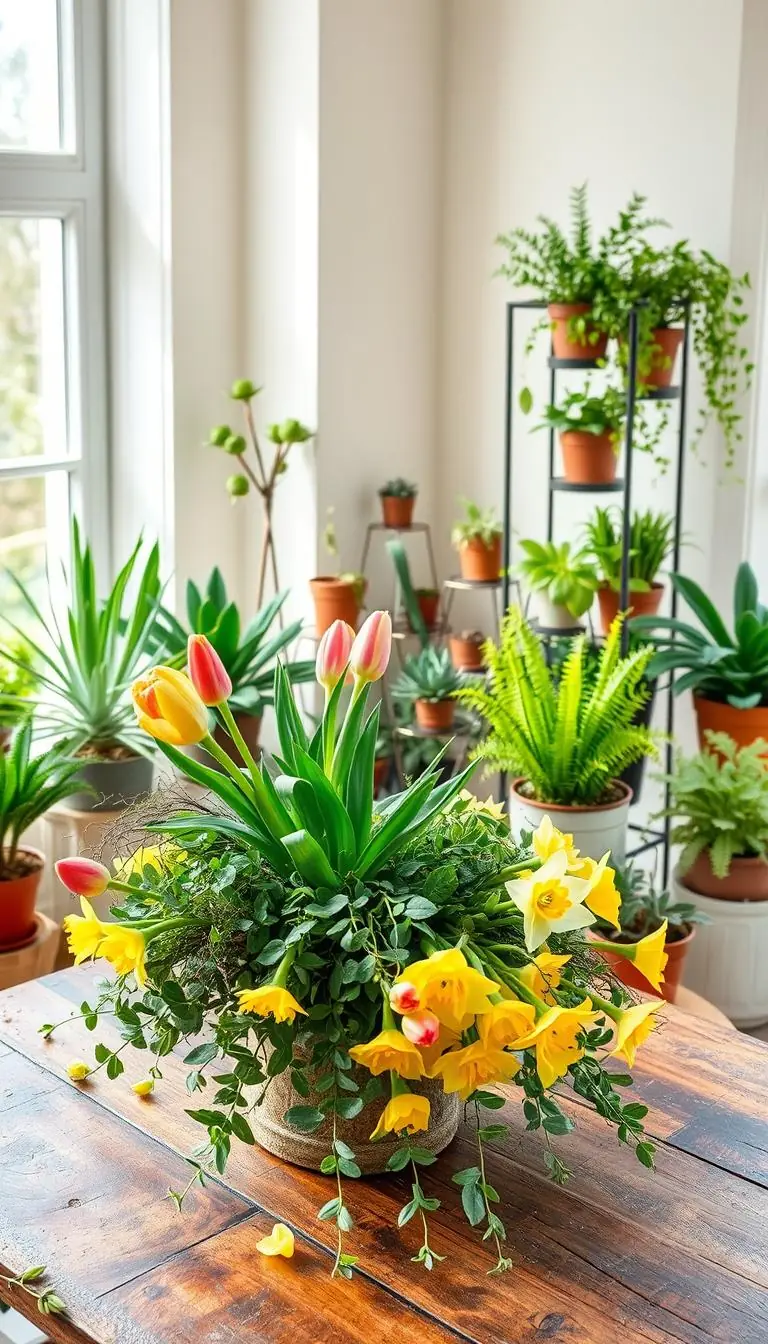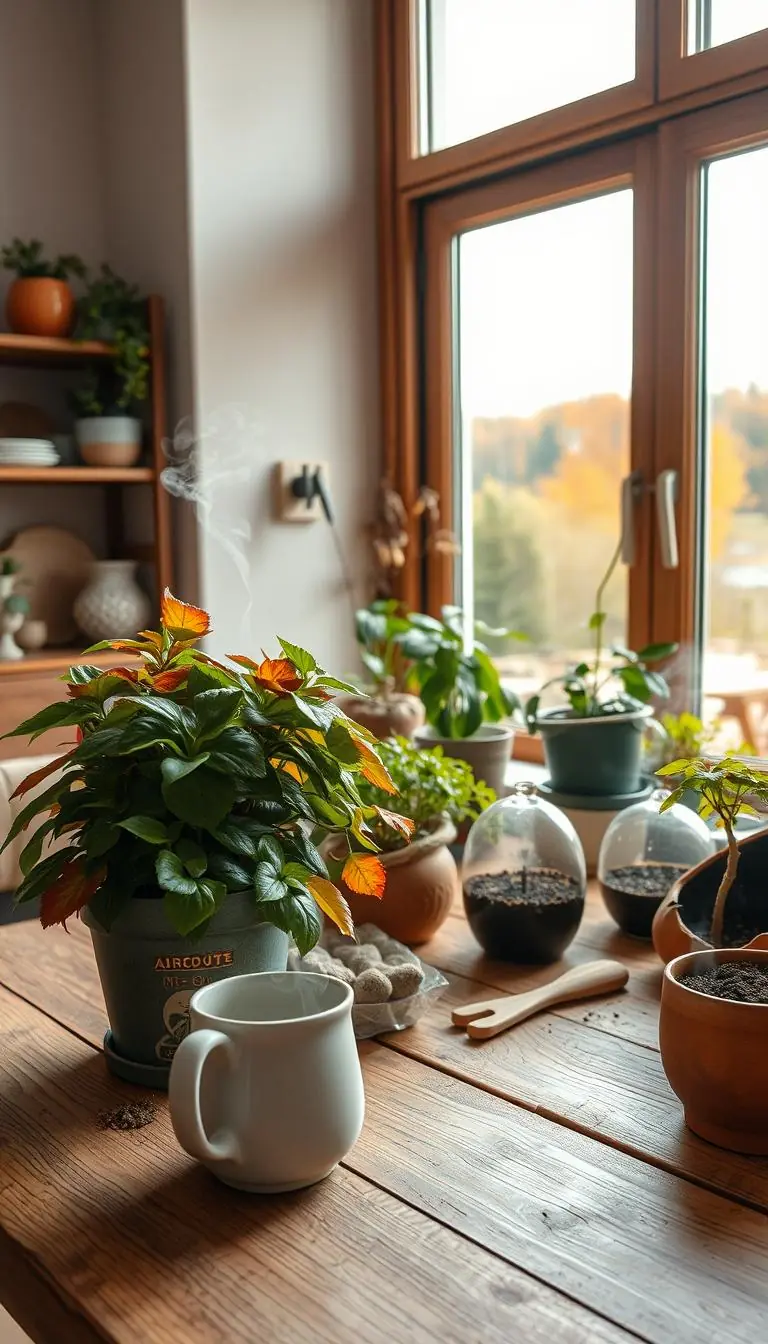
Imagine stepping into a room that smells faintly of fresh soil, where glossy leaves and trailing vines greet you. You want a green retreat that feels lush but stays simple to care for.
We’ll show you how to pick the right plants for your light and space and set them up with practical tools like planters with drainage, trellises, and grow lights.
Expect clear, step-by-step guidance: size tips for pots, an airy potting mix recipe, and plant pairings that look intentional rather than crowded.
See real examples—Monstera for dramatic holes in mature leaves, Ficus for height in bright corners, Sansevieria for easy structure, and Heart Leaf Philodendron for soft trails.
We’ll add seasonal tips too, such as using grow lights in winter and easing watering when growth slows. Small habits keep houseplants thriving and your home calm and green.
Key Takeaways
- Match plants to light and choose pots with drainage for healthy roots.
- Use a well-draining mix and size containers to the root ball.
- Layer tall focal plants like Ficus, then add medium and trailing accents.
- Include simple tools: trellises, grow lights, and compost for potting mix.
- Adjust care by season—more light in winter, less water when growth slows.
Why an Indoor Jungle Belongs in Your Home
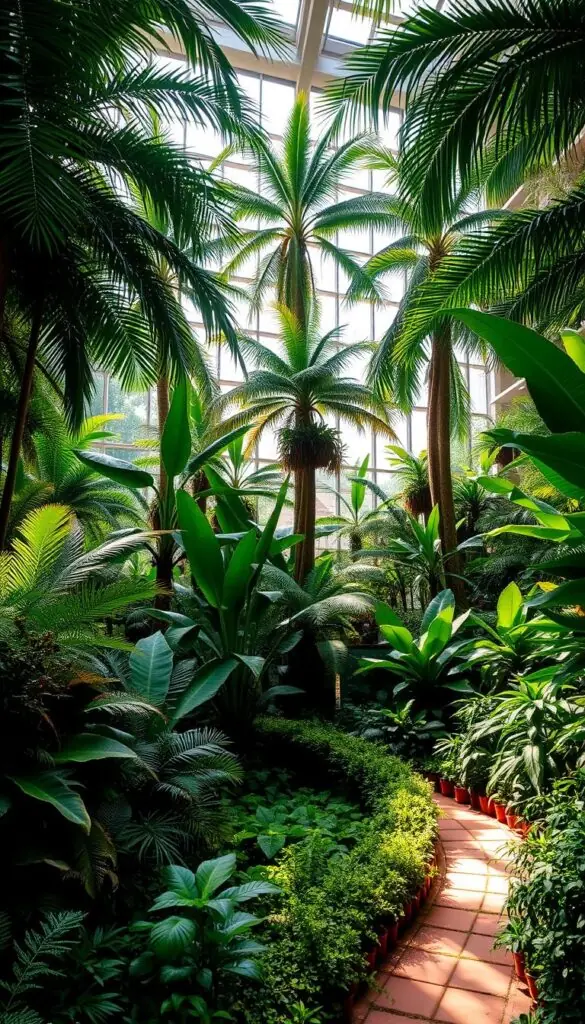
A cluster of thriving plants can turn a plain living space into a calm, restorative retreat. You feel it immediately: fresher air, gentle humidity, and a softer pace when you come home.
Health and mood benefits you can feel
Houseplants absorb some indoor toxins and can raise humidity slightly, which helps skin and breathing. Being near green growth also lowers stress and boosts focus—perfect for a work-from-home desk.
Design vision: lush leaves, layered heights, and tranquil ambiance
Make a statement plant your anchor, layer medium-height foliage around it, and finish with trailing accents to soften shelves and windows.
"Soft rustles of leaves and dappled light can turn a room into a peaceful retreat."
- Mix textures—leathery anthurium with feathery ferns—for visual interest.
- Match plant to light: bright spots for sun-lovers, gentle corners for shade-tolerant species.
- In the living area, a tall Ficus can add height while pothos and hoyas warm bookcases.
Build your indoor jungle with the right plants
Choose plants that match the light you have, then group them by size and water needs for an effortless, lush display.
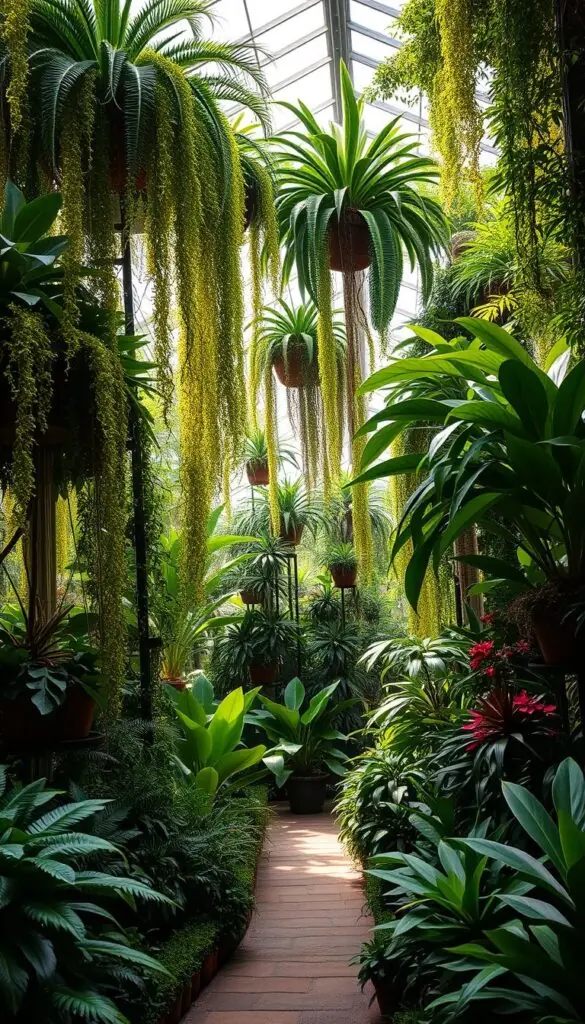
Low-light winners
Pothos: forgiving vines with glossy leaves; place a few feet from a window and let soil dry between waterings.
Chinese evergreen: patterned foliage, very low maintenance; great on shelves or low stands.
Snake plant: upright form, scarce watering; fits narrow planters in dim corners.
Bright rooms and sun-lovers
Monstera: large fenestrated leaf development with a cedar plank or moss pole for support; bright, indirect light preferred.
Fiddle Leaf Fig: sculptural anchor for a sunlit corner; rotate for even growth.
Bird of Paradise: bold banana-like leaves in the sunniest spot you have.
Texture, anchors, climbers, and seasonal notes
Texture: Anthurium’s leathery leaves, Calathea’s painterly patterns, and soft fern fronds layer depth and color.
Hardy anchors: ZZ plant, sansevieria, and philodendrons steady the composition when life gets busy.
Climbers & air plants: trellis Hoyas, drape heart-leaf philodendron, and tuck air plants into wall mounts for vertical drama.
"Group plants by light and water needs — small changes make a lasting, low-fuss display."
| Category | Light | Watering | Placement |
|---|---|---|---|
| Low-light winners | Low to bright shade | Infrequent; dry between | Shelves, low tables, corners |
| Sun-lovers | Bright, indirect to direct | Moderate; consistent during growth | Sunny corners, near windows |
| Texture & climbers | Filtered to bright | Varies; ferns like moist, calathea likes filtered water | Hanging pots, trellises, moss poles |
| Anchors & trees | Bright, stable light | Moderate; avoid overwatering | Floor planters, statement corners |
Winter note: use full-spectrum LED grow lights 10–12" above foliage for 10–12 hours and cut back water as growth slows.
Pets: check the ASPCA lists before you buy and keep any toxic species out of reach or choose pet-safe options.
Step-by-step: design, set up, and care for a thriving indoor jungle
Start by mapping light and traffic so plants sit where they’ll thrive and welcome you.
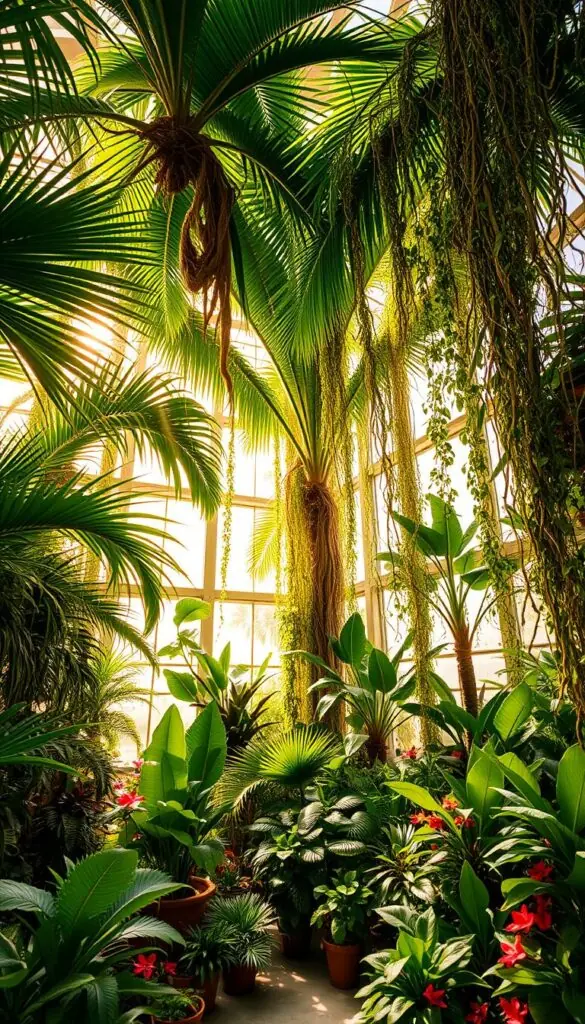
Map the space
Track light for a few days: morning sun, bright indirect, and softer north light. Mark where people walk and where a focal plant will greet you as you enter.
Tools and materials
Choose once, use for years: planters with drainage, saucers, perlite, orchid bark, a quality potting mix, simple trellises or moss poles, felt pads, and a full-spectrum LED with a timer.
Potting recipe and container sizing
Mix for most tropicals: 40% potting soil, 30% perlite, 20% orchid bark, 10% aged compost. For drought-tolerant species, go chunkier and cut compost back.
Repot when roots circle the pot. Pick one 1–2 inches wider than the root ball and keep the soil line even with the stem base.
Watering, feeding, and pruning rhythms
Water deeply, let excess drain, then wait until the top 1–2 inches are dry for most plants. Give ZZ and snake plant longer between drinks.
Feed every 4–6 weeks in spring and summer with diluted, balanced fertilizer. Prune leggy vines above a node to encourage fuller growth.
Layering and seasonal shifts
Layer for visual comfort: a floor statement tree, medium pots on tables, trailing vines on shelves, and a few mounted epiphytes at eye level.
In winter, run grow lights 10–12 hours and cut back watering. In summer, increase airflow, check soil more often, and shield tender leaves from harsh midday sun.
"Rotate a quarter turn every few weeks for even growth and balanced leaves."
Conclusion
Finish by taking small, steady steps. Start with one corner and one statement plant, then add a couple of easy companions. Your indoor jungle will grow as you learn each plant's needs.
Keep care simple: use pots with good drainage, an airy mix, and a patient hand with water. Watch the leaves for signs of comfort—color and firmness tell you a lot.
Adjust for the seasons and use a small grow light when winter dims. Choose a few tough species like Sansevieria or ZZ if you need low-fuss green. Check ASPCA lists to keep pets safe and pick a houseplant that fits your home.
Trust your eye and your instincts. Slow, steady care brings calm, lush growth and a warm, living space you can enjoy every day.
FAQ
How do I start a beautiful indoor jungle in a small apartment?
Begin by mapping your light zones and choosing plants that match them. Use vertical space—shelves, hanging planters, and wall mounts—so you keep floor area open. Pick a mix of small pots, trailing varieties, and one statement tree or tall plant for height. Choose planters with drainage and an airy potting mix to reduce overwatering. Start slow: add a few healthy plants, watch how they respond, then expand.
What low-light plants will thrive in a dim room?
Go for proven low-light performers such as pothos, Chinese evergreen, and snake plant. These species tolerate lower light and are forgiving if you occasionally miss a watering. Rotate them into brighter spots now and then to keep growth balanced. If light is very limited, consider a full-spectrum grow light for a few hours each day.
Which plants need bright, sunny windows?
Bright rooms suit sun-loving choices like monstera, fiddle-leaf fig, and bird of paradise. Place them where they get strong, indirect light or morning sun. Watch for leaf scorch in hot afternoon rays and move plants a few feet back or use a sheer curtain to diffuse light when needed.
How can I add texture and color for visual depth?
Mix broad-leaf plants with fine-textured foliage. Anthurium and calathea add bold color and pattern, while ferns and trailing ivies add soft, feathery texture. Vary pot size, height, and leaf shapes to create layered interest that reads as a cohesive living composition.
What are hardy, low-maintenance anchor plants?
Use robust anchors like ZZ plant, sansevieria (snake plant), and many philodendrons. These species tolerate inconsistent care, low light, and are great for beginners. Place anchors in prominent spots to stabilize the look and reduce daily upkeep.
How do I create vertical drama with climbers and air plants?
Train climbers on trellises, moss poles, or tension rods to grow upward. Use hanging planters and wall mounts for trailers and air plants. Mix in mounted pieces on cork or driftwood for a sculptural feel. This approach adds height without crowding floor space.
Which statement trees work well indoors?
Ficus varieties—rubber tree, weeping fig, and fiddle-leaf fig—make excellent indoor trees for adding scale and drama. Match the species to your light levels: fiddle-leaf figs prefer bright light, while some ficus tolerate moderate light. Give them roomy pots and occasional pruning to keep shape.
What should I consider for winter care and grow lights?
In winter, light drops and indoor air gets drier. Move shade-tolerant plants to brighter windows, reduce watering frequency, and raise humidity with pebble trays or a humidifier. Use full-spectrum grow lights to supplement short days—aim for gentle, timed sessions rather than intense all-day exposure.
Are houseplants safe for pets?
Some popular houseplants can be toxic to cats and dogs. Before buying, check pet-safety lists and choose non-toxic species if you have curious pets. Keep tempting leaves out of reach with hanging planters or place plants behind barriers. If ingestion occurs, contact your vet right away.
How should I set up planters, drainage, and potting mix?
Use pots with drainage holes and a saucer to catch excess water. A loose, airy potting mix with good drainage—mixes for aroids or palms work well—prevents root rot. For larger pots, add a layer of chunky material like coarse perlite or bark to improve airflow and reduce water retention.
What’s the right watering, feeding, and pruning routine?
Water when the top inch of soil is dry for most houseplants; adjust for species and season. Fertilize lightly during the growing season with a balanced, diluted houseplant fertilizer. Prune to remove dead leaves, control size, and encourage fuller growth. Regular checks help catch pests and issues early.
How do I layer plants for a lush, balanced look?
Arrange plants in tiers: floor planters for large pieces, mid-height pots on stands, shelves with small pots, and hanging planters above. Grouping by size, color, and texture creates depth. Leave breathing room so each plant gets light and airflow, and rotate placements every few months for even growth.
What tools and materials should I keep on hand?
Keep a watering can with a narrow spout, pruning shears, moisture meter, a small trowel, and spare potting mix. Trellises, moss poles, and plant ties help support climbers. A compact grow light and a hygrometer are useful for maintaining light and humidity levels.
How do I protect plants from common pests?
Inspect plants regularly for scale, spider mites, and mealybugs. Quarantine new purchases for a few weeks. Wipe leaves, use insecticidal soap, or apply neem oil for light infestations. Strong, healthy plants are less likely to suffer pests, so avoid overwatering and provide proper light and airflow.
What seasonal care adjustments should I make?
In winter, lower watering, give supplemental light, and boost humidity. In summer, increase watering slightly, watch for faster growth, and rotate plants to prevent uneven light exposure. Adjust fertilizer frequency to match active growing periods and cut back in dormancy.