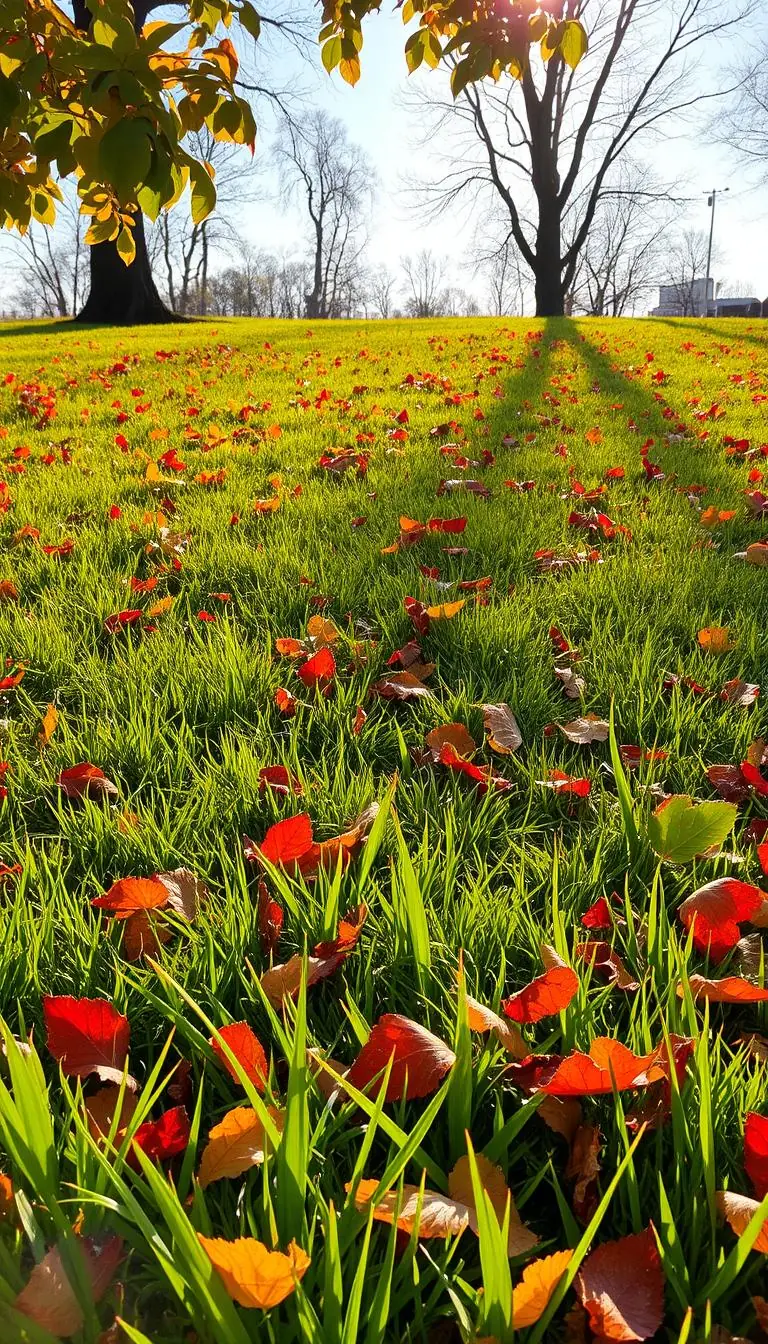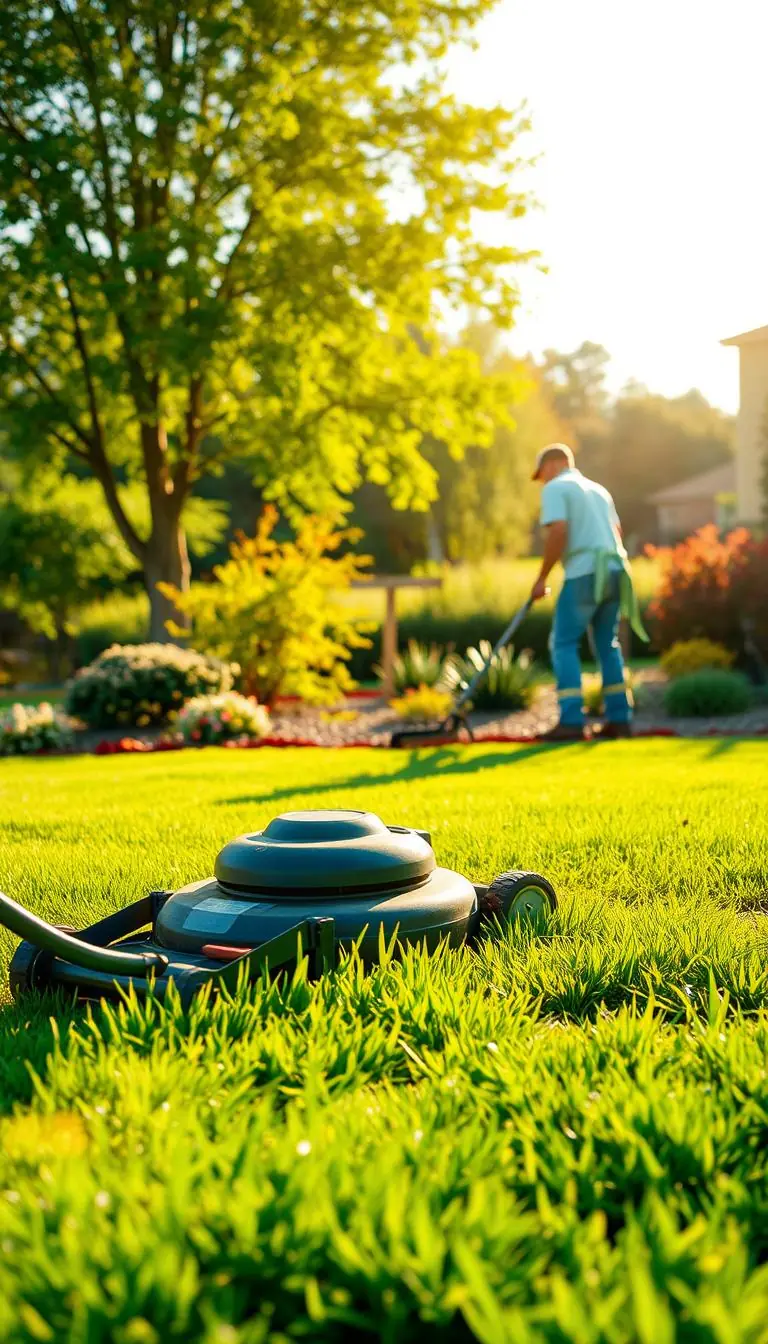
You step outside to a cool, quiet yard and imagine the first sunlit green poking through. Have you noticed thin patches or compacted soil that need a gentle hand?
You’ll get calm, practical guidance in short, easy steps—the kind of advice a trusted neighbor shares over the fence.
In this season, simple actions now protect turf and boost long-term health. We’ll show what to do, when to use common tools, and which tasks you can save for a rental like a core aerator.
Expect clear timing tips for the next few months, quick fixes for trouble spots, and watering cues that keep new seed from sitting soggy.
Key Takeaways
- Follow a few timed steps to give your lawn an early advantage for spring.
- Use common tools and rent an aerator for one productive time when soil is moist, not soggy.
- Light, frequent watering helps seed in cool months until it sprouts.
- Protect turf from foot traffic on frosty mornings and flush salt at thaw.
- Simple leaf cleanup and correct mowing height improve surface breathability and root strength.
Know Your Late-Winter Window and Region for Healthier Spring Growth
Match your actions to climate and soil feel so you spend less effort and get better results. Check local frost dates and watch snow cover. When daytime thaw softens the top inch and nights stay crisp, you have a good window to stage tools and tidy the yard.
Timing by climate zones: reading soil warmth, frost dates, and snow cover
Scoop a handful of soil. If it crumbles, you can rake and work without making ruts. If it smears, wait a few days. In cooler zones you’ll wait longer; in milder areas you can move sooner.
Tools to stage now: rake, mower, aerator and more
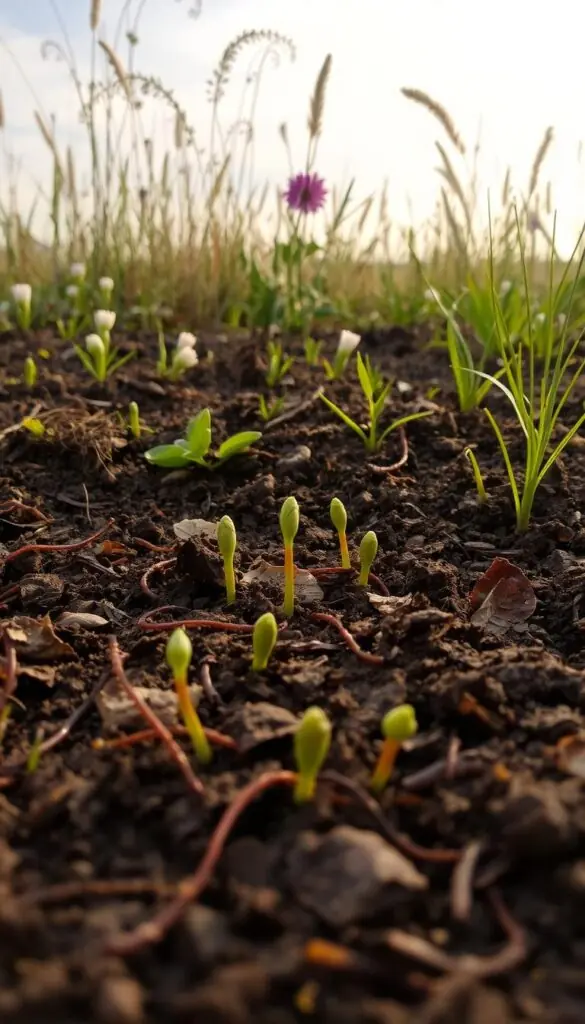
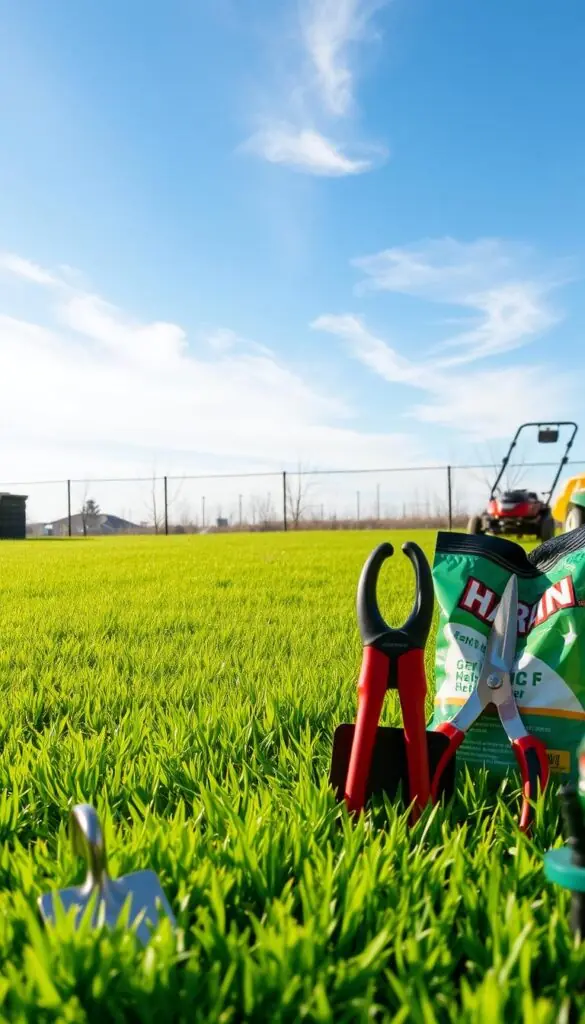
Set out a leaf rake, mower with a sharp blade, a rental core aerator, spreader, aged compost, quality seed, and a winter-safe ice melt for hardscapes. Avoid walking on frosted or dormant turf and plan to flush salt from adjacent beds at thaw.
| Tool | Best Soil Cue | Ideal Time |
|---|---|---|
| Rake | Top inch crumbles | When thaw softens surface |
| Core aerator | Moist but not soggy soil | After a few dry days |
| Spreader & seed | Even, workable soil | As temps trend up |
| Ice melt | Hard surfaces only | Use sparingly; flush salt at thaw |
- Walk the yard and mark soft spots and splash zones.
- Channel meltwater away from beds so air can reach turf.
- Remember most feeding was done in fall; now is the time to read soil and plan light tasks over the next months.
Late winter lawn prep: simple steps that wake up roots and soil
Start small and steady. Take a slow lap with your rake and clear matted leaves and light debris. The soft rustle and the earthy scent of compost make the work feel easy and useful.
Right-height mowing: If grass is shaggy, make one clean pass with a sharp blade. Lower the deck gradually so you never remove more than one-third at a time. Aim for a final height near 2–2.5 inches to stop matting and encourage even growth.
Relieve compaction and top-dress
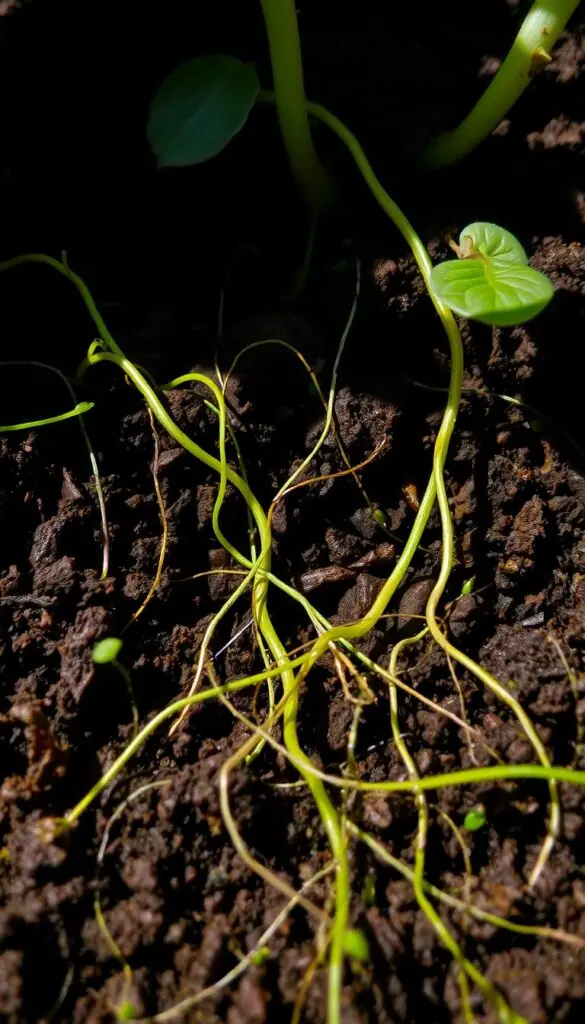
Check a spadeful of soil. When it crumbles, run a core aerator over compacted spots so air and water reach the roots. Rental power aerators average about $90/day.
Feather in a 1/2-inch layer of aged compost on thin areas. It should be dry, crumbly, and cool to the touch. Work it in gently with a rake for better structure and steady growth.
Fertilizer, overseeding, and watering cues
Skip blanket fertilizer for now if you fed in the fall. Let a quick soil test guide any spot-feeding.
For bare patches, overseed as temperatures trend up for your grass type. Set the spreader to roughly two-thirds of the bag rate and keep it moving to avoid stripes.
Water new seed like a fine mist for 5 minutes, 2–3 times daily until sprouts appear. Then switch to one deeper soak of 15–30 minutes to encourage downward root growth.
- Clear leaves and debris to prevent mold.
- Aerate moist (not soggy) soil to ease compaction.
- Top-dress thin spots and watch for even color and texture.
Protect your winter lawn: traffic, ice, and salt care that preserves spring growth
Protecting what you’ve built means watching for crisp mornings and choosing gentle, targeted actions.
Avoid footpaths on frosted or dormant turf. When blades feel crisp underfoot, frozen crowns can break and leave scars all season. Stick to cleared paths until the ground softens.

A safe approach for hard surfaces and plants
Keep driveways and walkways clear with a plant-friendly product on hardscapes only. Scotts Ice Melt has a green indicator to help you apply evenly and avoid overuse near beds.
Limit salt splash and flush soils at thaw
Create soft barriers like plywood or burlap where roads splash slush. When a mild spell arrives, run a gentle hose along perimeter strips to dilute salt and let fresh water percolate without puddling.
- Push snow off turf and channel meltwater to drains to prevent refreeze at edges.
- Brush low branches instead of shaking to avoid clumps landing on grass and plants.
- Check downspouts and add extensions so runoff won’t concentrate in one strip of lawn.
| Issue | Easy fix | When to act |
|---|---|---|
| Frosted paths scar crowns | Use cleared walkways; avoid shortcuts | Frosty mornings |
| Ice on hardscapes | Apply plant-friendly ice melt sparingly | Before freeze-thaw cycles |
| Salt splash on edges | Install temporary barriers; flush at thaw | Mild thaw periods |
| Pooled meltwater | Extend downspouts; direct to drains | After storms |
Quick fixes and common mistakes to avoid this season
A few quick checks will keep small problems from growing into big ones. These short, neighborly reminders help you save effort and money while keeping your turf healthy.
Skipping aeration where soil is compacted
If your foot sinks or a screwdriver won't push in, that's compaction. Run a core aerator on those spots to improve air, water, and nutrient flow. Aerating smartly supports healthier lawns with minimal work.
Overwatering or overfertilizing when grass is semi-dormant
Hold back on extra fertilizer now; much feeding was done in fall. Too much feed or too much water can fuel fungal diseases and stress roots. Apply small amounts only when a soil test recommends it.
Using the wrong seed mix and ignoring soil pH
Match seed to your region and sun exposure. Shade mixes for north-facing areas, sun-tough blends for bright spots. Run a quick soil test to set pH and avoid wasted seed or treatments.
Watch for early disease warning signs
Look for patchy color or odd textures. Early, isolated signs of disease are easier to manage than widespread issues. Clear wet leaf piles to reduce weeds and disease pockets.
- Quick tip: Water lightly and with purpose; soggy corners invite trouble.
- If time is tight, hire help for an hour or two — a small tune-up saves time later.
- These actions keep your lawn care routine simple and effective through the season.
Conclusion
Small, timely actions in cool weather help soil and roots wake gently and stay strong into spring.
You cleared leaves and debris, tuned your mower, and let the ground rest after fall feeding. These simple steps make grass more resilient and set the stage for steady growth.
Keep watering lightly for new seed and choose a spot approach for spot-feeding nutrients only when a test shows need. Protect crowns from foot traffic and control salt splash so plants at the edge recover fast.
As days lengthen you’ll see brighter tips and thicker texture. Take a breath and enjoy the change — your careful care now will pay off with a lush, healthy lawn ready for spring and summer.
FAQ
When is the best window to start working on your yard before spring?
Aim for the period when daytime temperatures regularly reach the mid-40s to 50s°F and the soil is thawed but not waterlogged. That timing varies by region — earlier in warm climates, later where frost lingers. Check local frost dates and dig a small test hole: if the soil crumbles rather than forms a slick ball, you’re in a good window to begin light tasks.
What tools should you have ready now to jump-start spring care?
Keep a sturdy rake, a sharp mower blade, a core aerator (rental is fine), a drop or broadcast spreader, aged compost, appropriate seed, and a winter-safe ice melt for walkways. These cover the basics: clearing debris, improving soil structure, and repairing thin spots without overworking the turf.
How should you clear leaves and debris without harming grass crowns?
Use a flexible leaf rake or a lawn sweeper and work gently across the surface. Remove wet mats and dense thatch that can foster disease. Avoid aggressive digging that disturbs crowns; the goal is light clearing so sunlight and air reach the turf and soil.
Should you mow before the main spring surge, and at what height?
Yes—do a single, light mow when the grass starts growing. Set the deck to a moderate height for your grass type (often 2.5–3.5 inches for cool-season grasses). Remove no more than a third of blade length to prevent stress and matting as growth accelerates.
When and why is core aeration important now?
Aerate when the soil is moist but not muddy, typically in the late thawing window. Aeration relieves compaction, improves air and water movement to roots, and helps fertilizer and compost reach the root zone. Avoid aerating frozen or overly wet ground.
Can you top-dress with compost in this season, and how much should you use?
Yes—light top-dressing with aged compost is helpful. Aim for a thin layer, about 1/8 to 1/4 inch, spread evenly over thin spots to improve soil structure and nutrients without smothering grass. Work it into surface hollows and water lightly to settle.
Do you need a spring fertilizer if you fed in fall?
If you applied a quality fall fertilizer, most lawns don’t need a heavy spring feed. Rely on soil test results to guide any spot-feeding. Overfertilizing while grass is only just waking can lead to shallow growth and more weeds.
When should you overseed bare patches for best results?
Overseed as soil temperatures warm and stay consistently above about 50°F for cool-season grasses. Seed when nights are cool but the risk of hard frost is low. Match the seed mix to your existing turf and sun exposure, and keep new seed lightly moist until established.
How do you water new seed versus established turf in this transitional season?
For new seed, use light, frequent misting several times a day to keep the topsoil moist until germination. Once seedlings root, switch to deeper, less frequent waterings to encourage strong root growth. For established turf, water less often but more deeply as soil dries and temperatures rise.
How can you protect dormant grass from foot traffic and salt damage?
Reroute pathways and discourage foot traffic on frosted or dormant areas to avoid crushing crowns. Use plant-friendly ice melts (calcium magnesium acetate or potassium chloride alternatives) on paths and sweep off excess salt. After thaw, flush salt-impacted soil with fresh water to reduce buildup.
What are common mistakes to avoid during this season?
Don’t skip aeration in compacted areas, avoid overwatering or heavy fertilizing when grass is semi-dormant, don’t use the wrong seed mix for your region, and don’t ignore soil pH or early disease signs. Small, timely steps protect spring growth better than rushed, heavy-handed treatments.
How can you tell if soil pH or nutrients need attention before spring growth?
The most reliable way is a soil test from your local extension or a reputable lab. Look for nutrient imbalances, compaction, and pH drift. Addressing these issues with targeted amendments and compost now gives roots a healthier start as temperatures rise.