Imagine the evening air filled with a fresh-cut scent and sunlit blades under your feet. You notice a few dry patches and wonder if there’s a simple way to make your yard greener without extra chores.
Here’s a calm, friendly guide to help you decide.
Mulching uses a special deck and blade to chop clippings into tiny pieces that fall back and turn into organic matter. Those fine bits add valuable nutrients and act like a light fertilizer for the soil, so you feed as you cut grass.
You’ll learn when to mulching and when to bag, and how different mowers — from cordless to gas — affect results. Larger decks cut down on passes, and self-propelled options save effort. Mulching a thin layer of dry leaves also cuts disposal time.
We’ll give practical tips on setup, simple tools to keep equipment humming, and seasonal rules of thumb so your back lawn looks lush and feels springy. Enjoy the calm work and the fresh, green scent as you go.
Key Takeaways
- Mulching recycles clippings into organic matter that feeds soil and reduces waste.
- Choose the right lawn mower type and deck size for your yard and growth height.
- Skip frequent bagging to save time when conditions are dry and grass is thin.
- Use simple tools—hose, sharpening stone, socket wrench—to keep blades cutting cleanly.
- Switch methods by season: gentle spring cuts, careful fall leaf passes, and avoid mulching wet clumps.
Mulching vs. Bagging: The real-world tradeoffs for your yard
A few quick cues—wetness, height, and weeds—make the choice clear and easy.
When mulching shines: Use mulch when growth is steady and grass is dry. Fine clippings act as free fertilizer and shade the soil, which helps hold moisture. You save time because you skip emptying the bag and hauling yard waste.
When bagging is smarter
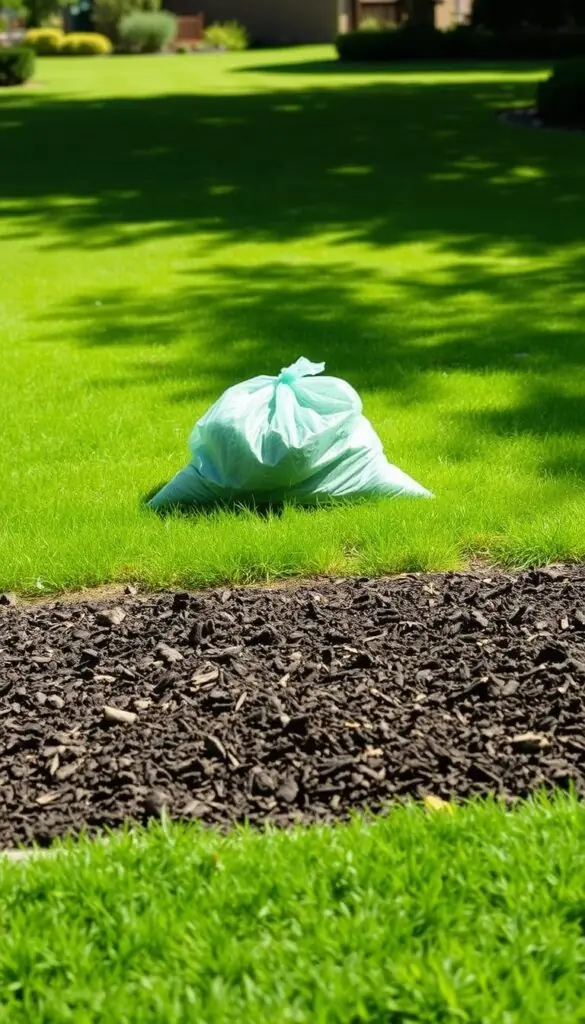
Bagging is best after a rainy stretch or when grass is very tall and heavy. Put clippings in a bag if you see weeds going to seed or a fungal patch — collecting them helps stop spread. Bagging also keeps paths and patios tidy after soggy cuts.
Side discharge at a glance
Side discharge gives speed for overgrown patches and rough cuts. Use it to clear big areas, then close the chute to mulch or attach a bag for a neat finish. Watch for clumps after rain; leave them behind and switch to bagging if pieces pile up.
- Tip: Mulch for regular care; bag for problems.
- Visual cue: Light layer of leaves mixes well; heavy, damp cover needs a few bagged passes.
- Quick step: Do a fast discharge pass on rough growth, then finish with the chute closed for a tidy look.
How a mulching mower works (blades, deck design, and airflow)
A closed deck and curved blades do the quiet work of turning cut grass into a light soil dressing. Inside the housing, airflow lifts each blade of grass so the knife edge meets it cleanly. The clippings then spin inside the deck and get recut multiple times.
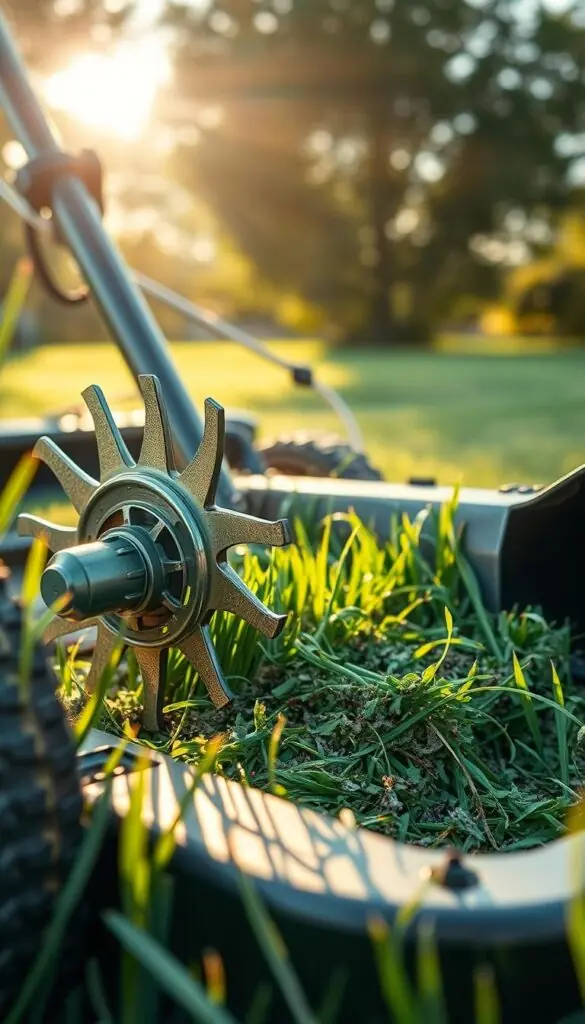
Curved mulching blades and closed mower deck keep clippings circulating
Curved blades create lift that stands grass upright. That lets the blade slice, then slice again, so pieces fall as very fine confetti that the soil can use.
Think of airflow as a little storm inside the deck. It keeps bits moving until they’re small enough to drop evenly across your back lawn.
Mulching plugs and chute closures: switching between mulch, bag, and discharge
Use a mulching plug or rear cover to close the chute. That traps clippings for longer so they break down more.
"Pop the bag on with the chute open for tall growth, then return the plug to finish with a tidy, mulched surface."
- 3‑in‑1 blades can mulch, bag, or discharge; standard 2‑in‑1 blades bag or discharge.
- Keep the deck clean so airflow stays smooth and clippings don’t stick and clump.
- If the engine bogs in tall patches, slow down and let the unit recut pieces multiple times.
Set up your mulching lawn mower for success
A little setup goes a long way toward tidy results and healthy grass. Start by matching the power source and deck size to your yard so each pass is efficient and gentle on blades.
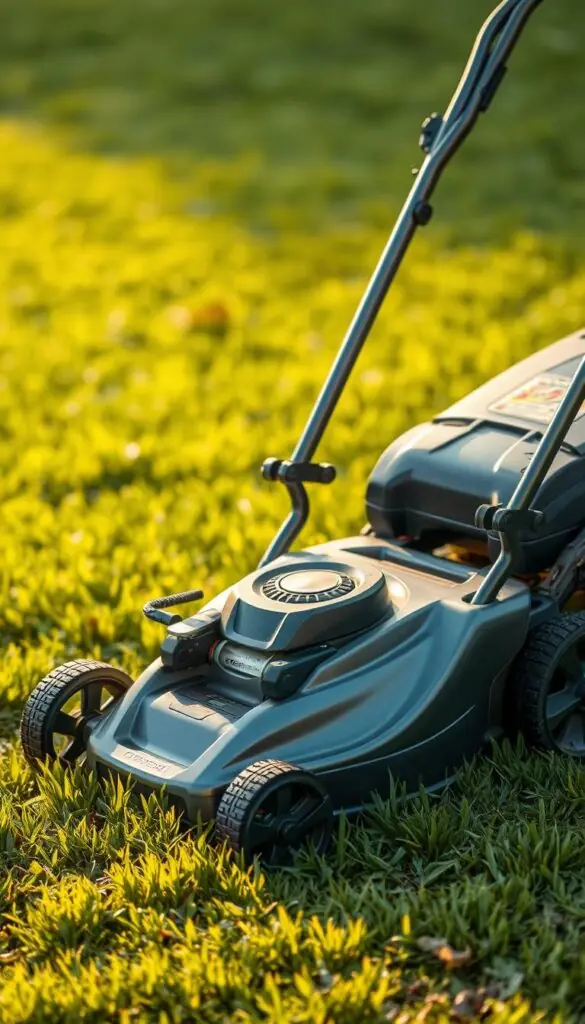
Choose the right type and deck size for your yard
Pick a power type that fits your routine: corded electric if you want low cost, cordless for easy starts, and gas for torque when grass is tall. Choose a deck size that balances reach and maneuverability.
Self-propelled models ease long or sloped cuts. Push mowers stay light and simple for small, flat areas.
Conversion kits: upgrade your current machine
Many lawn mowers accept a simple kit: a mulching plug or an upgraded mulching blade. Sometimes you only need a compatible blade to recycle clippings. Install the plug, test a small area, then adjust wheel height for even coverage.
Sharp blades and a clean deck: small habits, big gains
Inspect the mower blade every few weeks. If tips look torn, sharpen with a file, bench grinder, or a drill-mounted stone. Use gloves, a block of wood to brace the blade, and a socket wrench for safe work.
After each cut, scrape or hose the mower deck so airflow stays smooth and clumps don't form. These small steps improve cut quality and help mulching mowers do consistent mower work.
Season-by-season guide: using a mulching mower for a lush, thriving lawn
Timing your cuts through spring, summer, fall, and winter helps your grass stay thick and resilient.
Spring into growth
Wait until the ground is firm and grass stands upright. Set a moderate height for the first pass to wake roots gently.
Tip: Remove no more than one-third of the grass blade at once. Small clippings return valuable nutrients to the soil and reduce waste.
Summer care
Raise the cutting height a notch during hot spells to shade roots and conserve moisture. Mow often on dry afternoons so clippings stay fine and don’t clump under the deck.
When heat peaks, shorter, more frequent cutting keeps color and prevents stress.
Fall leaves
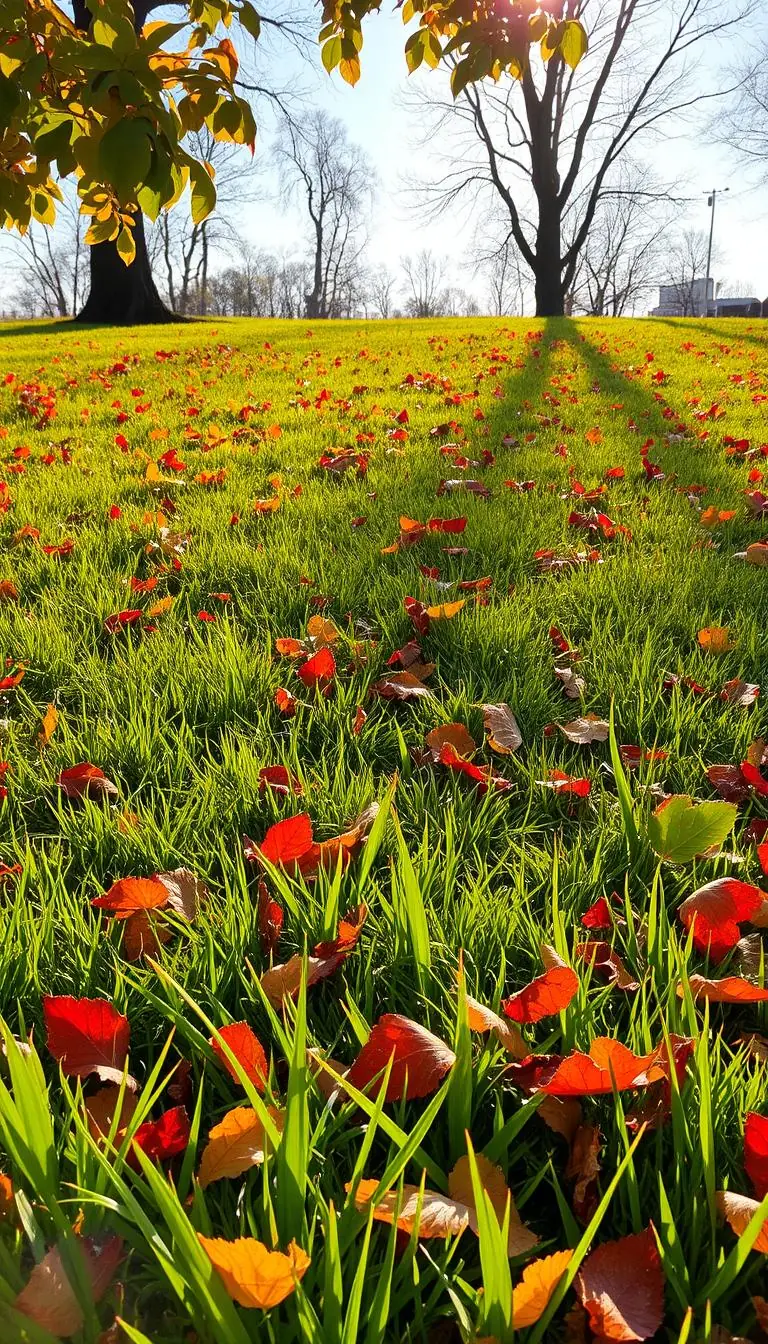
On crisp, dry days you can chop light layers of leaves into organic matter that feeds soil. If leaves cover more than half the surface or form a damp mat, bag a pass or thin them first.
Winter prep in snowy regions
Make the last pass lower than usual to reduce snow mold risk. Then clean the deck and blades so your equipment is ready for spring.
"Small seasonal tweaks and steady care return nutrients multiple times across the growing season."
| Season | Height cue | When to bag |
|---|---|---|
| Spring | Moderate — wake grass gently | Wet, matted patches |
| Summer | Slightly higher — shade roots | After heavy storms or wet clumps |
| Fall | Normal to slightly lower — tidy finish | Heavy leaf blankets & damp mats |
| Winter prep | Lower final cut in snowy areas | Not applicable — clean gear after use |
Troubleshooting and quick tips to avoid common mistakes
A few simple checks will stop most problems before they start. Notice wet streaks, muffled engine sound, or clumps on the grass. These are clear cues to pause and adjust.
Clumping and tracks: If you see wet streaks or clumps, wait until the turf dries. Raise the deck one notch and walk slower for a lighter pass. A quick underside scrape keeps the mower deck clear so clippings flow again.
Weeds and disease: When you spot weed seed heads or fungus, bag that pass. Collecting clippings stops seeds and spores from spreading across your yard.
Thatch facts: Fine clippings and organic matter break down fast and rarely make thatch. Thatch usually comes from dead stems and roots. Heavy, repeated layers can smother the soil, so thin them if buildup appears.
Power and density: Dense grass or stiff grass blade types need solid torque. If blades bog or cut frayed tips, choose a higher‑power model or sharpen the mower blade more often—Zoysia and similar turf may need monthly sharpening.
"Clean, sharpen, and adjust—these three small habits solve most hiccups."
- Pause for dry conditions when you see wet clumps.
- Scrape the deck after heavy cutting so airflow recirculates clippings.
- Bag passes when treating fungus or harvesting weed seeds.
- Match power to turf density; use push mowers on small, light yards.
| Problem | Quick fix | Tools/notes |
|---|---|---|
| Wet streaks or clumps | Wait to dry, raise deck, slow pace | Scraper, rake; avoid cutting wet grass |
| Deck buildup | Clean underside after use | Putty knife or deck brush; improves airflow |
| Weed seed heads / fungus | Bag and remove clippings | Disposable bags; compost separately if disease-free |
| Dull or torn grass tips | Sharpen or replace blade | File, grinder, or replacement mower blade; check monthly for dense turf |
Conclusion
A few steady habits make caring for your green space feel easy and rewarding.
Mulching returns fine clippings to the soil as gentle nutrients, cutting yard waste and the need to rake. Switch to bagging or side discharge when grass is wet, seeded, or diseased, then go back to mulch for most passes.
Keep your blade sharp, the deck clean, and your height set right. These small steps save you time and produce softer, healthier grass underfoot.
Whether you use electric or gas, mulching mowers can make care simpler and more mindful. Step outside, inhale the fresh, leafy scent, and enjoy the quiet reward of a thriving yard—one calm, steady pass at a time.
FAQ
Mulching vs. bagging — which method gives your yard the most benefit?
Mulching returns chopped clippings to the soil, supplying organic matter and nutrients that feed roots and retain moisture. Bagging removes debris and is helpful when grass is too tall, wet, or seeded with weeds. Choose based on grass height, weather, and whether you’re tackling disease or overseeding.
When is recycling clippings the smarter choice for your grass?
Recycling shines when you mow regularly and keep cut height reasonable. Small, finely chopped pieces decompose fast, add valuable nitrogen, and help the soil hold water. It also saves time since you skip emptying a collection bag every pass.
When should you collect clippings instead of leaving them?
Use a bag when grass is tall or wet, after heavy fertilizing, during weed seeding, or if you suspect disease. Collecting prevents clumps that block light and airflow and stops spreading problem seed or pathogens.
What about side discharge — when does that help?
Side discharge is useful for quick passes over very overgrown patches or fields where fine mulch isn’t needed. It clears dense growth fast but leaves larger clumps that won’t decompose as quickly as finely chopped material.
How do mulching blades and deck design keep clippings circulating?
Blades with curved profiles and taller decks create a strong airflow that lifts clippings back up into the blade path. That repeated cutting reduces particle size, producing finer pieces that settle into the turf and break down faster.
Can I switch between mulching, bagging, and side discharge easily?
Yes. Many machines offer plug options or a chute closure that redirects clippings. Conversion kits let you adapt older units. Make sure the deck and attachments match your model for a secure fit and safe operation.
How do you set up your machine for the best results?
Pick the right type and deck size for your yard’s area and terrain. Fit mulching-style blades, keep them sharp, and clean the deck regularly. These simple habits improve cut quality and prevent buildup that reduces airflow.
Are conversion kits worth it for an older machine?
Often yes. A plug kit or chute adapter turns a standard machine into a recycling tool without buying new equipment. Confirm compatibility and follow the maker’s instructions for safe installation.
What mowing practices help produce a healthy, sunlit turf all season?
In spring, make the first cuts a bit higher and wait for dry conditions. In summer, mow more often and never remove more than one-third of the blade at once. In fall, small leaf layers can be recycled; bag heavy mats. For snowy regions, lower the final mow to reduce snow mold risk.
How do you avoid clumping and tracks when cutting wet or thick grass?
Slow your pace, raise the deck a notch, and wait for drier conditions when possible. Sharp blades help produce smaller pieces that don’t mat. If clumps form, stop and use a rake or a bag to clear them.
Do recycled clippings cause thatch buildup?
No. Thatch is mainly undecomposed stems and roots. Finely chopped green clippings break down quickly and actually reduce thatch risk by feeding soil microbes that speed decomposition.
When should you bag to prevent spreading weeds or disease?
Bag whenever you see weed seedheads, fungal patches, or insect damage. Removing affected material cuts the chance of spread and helps you manage outbreaks more effectively.
How important is mower power for dense or stiff-grass types?
Match engine power and blade design to turf density. Thick, coarse grasses need more torque to cut cleanly. Underpowered units can tear blades and leave ragged clippings that don’t decompose well.