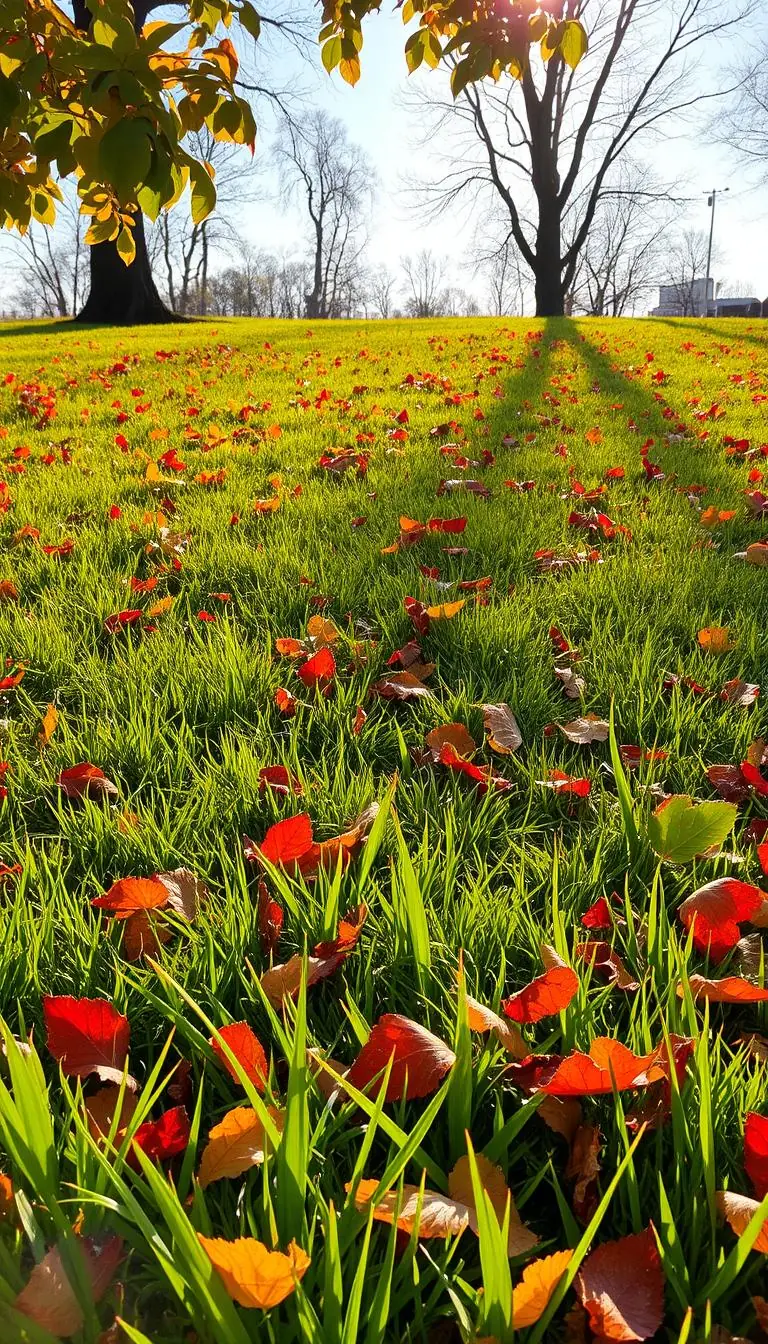
Feel the soft, sun-warmed grass beneath your feet and the earthy scent of fresh compost on a calm morning.
Have you ever wished your yard could thrive without harsh products? You can choose a gentler way that starts with healthy soil and steady habits.
In this guide we show simple steps you can follow like a neighbor sharing tips: a soil test, aeration and thatch control, adding compost and compost tea, and using gentle fertilizers when needed.
Expect practical tools and easy routines: a core aerator, a sharp mower with a mulching deck, a spreader, and a rain gauge. We’ll explain seed timing and how grass clippings return nitrogen so the soil feeds your plants naturally.
By the end you’ll have a clear, doable plan for a lush, resilient lawn that needs less maintenance because the soil does more of the work.
Key Takeaways
- Focus on soil first with a simple soil test to guide steps.
- Use compost, compost tea, and clippings to add nutrients and nitrogen.
- Aerate, manage thatch, and overseed bare spots with the right seed.
- Choose gentle fertilizers and match grass to your climate to mow less.
- Small weekly habits cut long-term maintenance and boost resilience.
Why Organic Lawn Care Works: A Greener, Safer Yard for Your Family
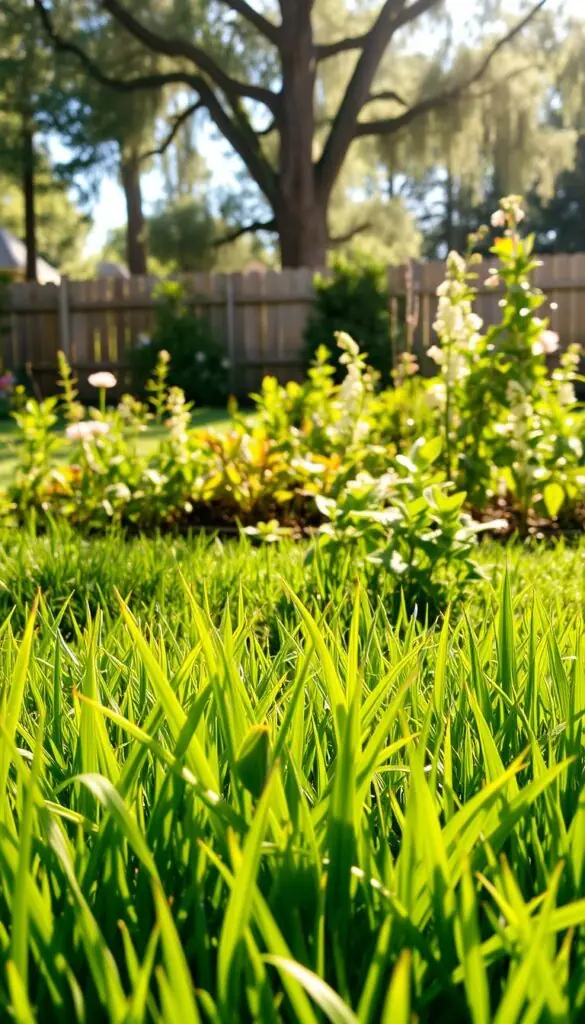
Think of your yard as a living system that gets stronger when the soil is healthy. When the ground beneath your feet is full of life, your grass follows—growing deep roots that make the surface softer and more resilient.
Safety matters. A chemical-free approach keeps kids and pets out of harm’s way and invites pollinators and songbirds to visit your plants. You still have control over pests and disease, but you rely on gentle tactics that protect helpful organisms.
Good soil holds moisture and improves drainage. That means less water overall because roots go deeper and handle heat better. Over time, your maintenance shrinks as the yard stabilizes and crowds out invaders.
| Benefit | What It Does | Why It Helps You |
|---|---|---|
| Stronger soil | Feeds roots and supports organisms | Less disease and fewer pest outbreaks |
| Deeper roots | Improve drought resilience | Use less water and stay green longer |
| Chemical-free approach | Reduces pesticides and synthetic chemicals | Safer play area for family and wildlife |
Test Your Soil First: The Starting Point for a Healthy Lawn
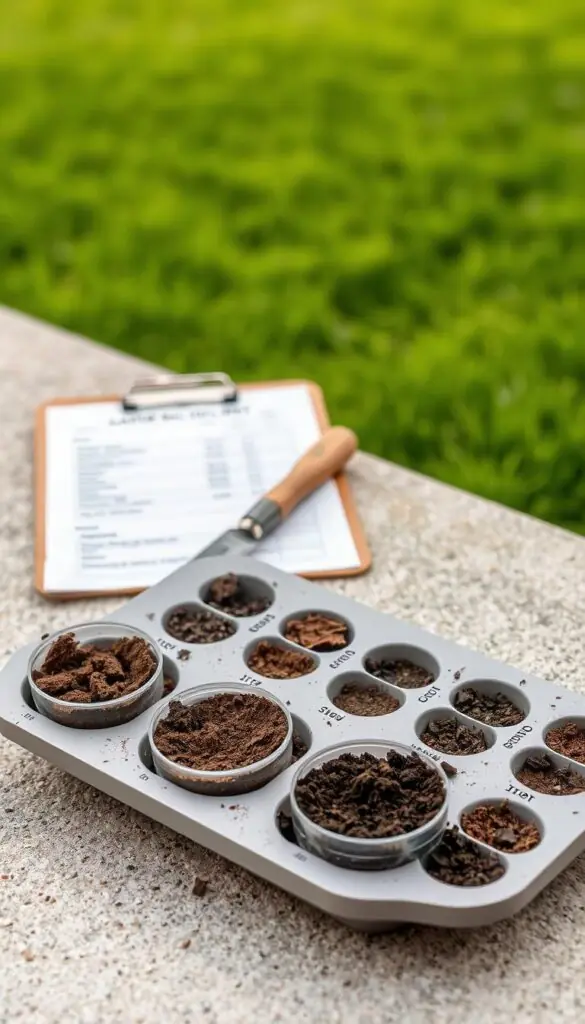
Before you buy seed or spread fertilizer, test the ground where your grass grows. A soil test gives clear steps so you act with confidence. Collect small plugs after a dry spell and notice the crumbly texture — that tells you the soil has good structure.
How to collect and where to send a sample
Use a trowel or soil probe to take 10–12 small cores 3–4 inches deep from across the yard. Mix them in a clean bucket until you have about 2 cups for one composite sample.
Pick up a soil test kit box from your county extension or nursery service. They’ll mail results with specific nutrient recommendations.
Reading results and pH targets
Ideal pH for grass sits around 6.5–7.0. In that range, roots can access nutrients already in the soil.
Choosing amendments
If calcium is low, top-dress with gypsum. If magnesium or potassium is low, consider langbeinite. Add compost to boost organic matter and beneficial organisms.
"A good soil test is the fastest way to make smarter, cheaper fixes that last."
| Issue | Fix | Why it helps |
|---|---|---|
| Low calcium | Gypsum top-dress | Improves structure without changing pH |
| Low magnesium/potassium | Langbeinite | Targets missing nutrients for stronger roots |
| Low organic matter | Compost | Feeds microbes and slowly releases nutrients |
Open the Soil: Aeration and Thatch Removal for Stronger Roots
Opening compacted ground makes a dramatic difference you can feel underfoot after a few passes. A good session with the right tool loosens soil, lets roots grow deeper, and soaks up water instead of letting it run off.
Spike versus plug: spike aerators poke holes, but in heavy clay they can make edges tighter. A core (plug) aerator removes small cylinders, which truly relieves soil compaction and helps air, water, and microbes reach roots.
Timing and simple prep
Pre-moisten the soil a day before so plugs pull cleanly and you get crumbly cores on the surface.
Best time depends on grass type: cool-season grasses do well in early spring or fall; warm-season varieties need late spring. Mow a notch lower first so tools hit the soil.
Thatch basics and quick mistakes
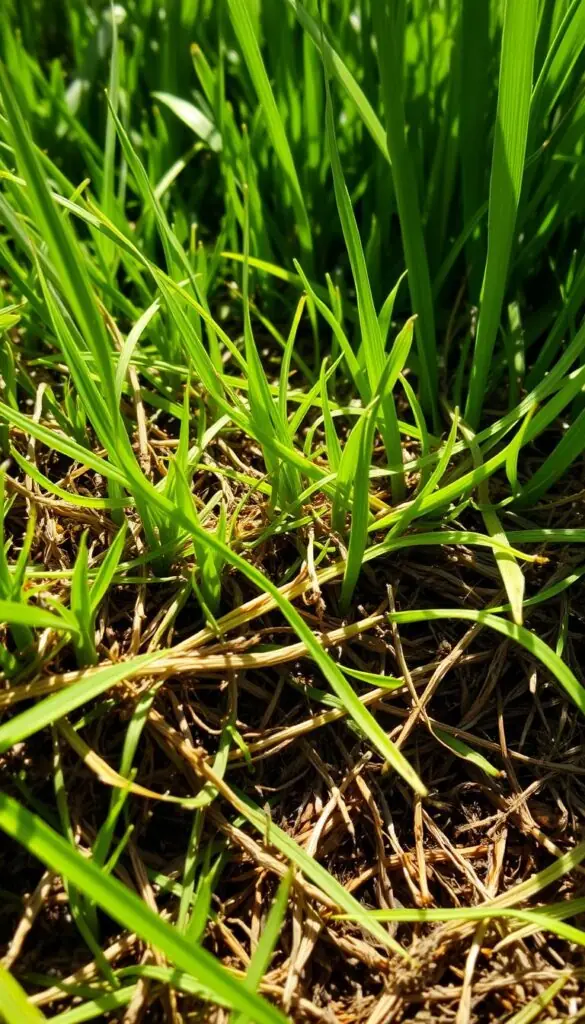
Thatch under 1/2 inch is normal. More than that feels spongy and can block water and seed.
- If your yard feels hard and rain pools, you likely have soil compaction that limits roots.
- Use a plug aerator for most yards, especially clay soils; reserve spike tools for looser ground.
- After aerating and dethatching, overseed thin spots and brush seed and compost into the holes.
"Leave the cores—rain and mowing will break them down and return nutrients to the soil within days."
Build Living Soil: Compost and Compost Tea That Feed the Lawn
One afternoon with a wheelbarrow and a rake back can start rebuilding the soil your grass depends on. The dark, crumbly compost smells clean and earthy as you work it in.
Top-dress in a thin layer. After mowing, spread 1/4–1/2 inches of screened compost with a broadcast shovel or wheelbarrow. Use the back of a rake to pull compost into contact with the soil so microbes meet roots quickly.
Make and apply compost tea
Brew a simple aerated tea for a quick boost. Stir or run an aquarium pump in a bucket of compost and water for 24–48 hours. Strain and pour into a backpack sprayer.
- Apply tea in cool mornings, misting leaves and surface soil lightly.
- Focus extra compost on thin, high-traffic spots to help grass compete with weeds.
- Water gently after top-dressing to settle material without washing it away.
| Action | Tool | Benefit |
|---|---|---|
| Top-dress 1/4–1/2 inches | Wheelbarrow, rake back, broadcast shovel | Adds organic matter and improves drainage |
| Brew compost tea | Bucket, aerator, backpack sprayer | Delivers living organisms and a quick nutrient pulse |
| Target thin spots | Hand spread, extra compost | Builds soil, reduces weeds, supports steady nitrogen release |
"Small, yearly layers of quality compost build big soil health over time."
Feed Gently: Natural Fertilizers and Ingredients that Release Slowly
Feed your turf slowly and steadily so roots get what they need without a sudden surge.
Choose fertilizers made from simple, natural ingredients like feather meal for nitrogen, bone meal for phosphorus, and seaweed for potassium. These release nutrients over weeks and help soil biology work along with the compost you already add.
Apply lightly in early spring and again in fall. Follow the bag rate and err on the low side to avoid quick growth or scorching on warm days.

Practical tips for even application
- Use a rotary or drop spreader for an even pattern; overlap slightly like you would when mowing.
- Consider an organic-derived, non-burning product with added iron for color without stress.
- Pair light feedings with a thin compost top-dress to boost organic matter and microbes.
- Keep clear records of dates, rates, and weather so you can fine-tune next season.
"Go slow, spread evenly, and let nature feed steadily."
| Ingredient | Primary Benefit | When to Apply |
|---|---|---|
| Feather meal (N) | Slow-release nitrogen for steady growth | Light spring and fall applications |
| Bone meal (P) | Supports root development and establishment | At overseeding or spring planting |
| Seaweed (K) | Improves stress tolerance and potassium supply | Spring, and as a mid-season tonic if needed |
Choose Grass That Fits Your Climate for Less Work
The right grass for your climate grows itself more easily, so you can enjoy the view instead of constant upkeep. Pick varieties that thrive in local temperatures and you’ll need less watering, fewer treatments, and less mowing.
Cool-season favorites: Kentucky bluegrass, fescues, and perennial ryegrass do best when temps sit between 60–75°F. Keep these grasses around 2.5–4 inches. Taller blades shade the soil, slow evaporation, and help seedlings and plants establish in spring and fall.
Warm-season choices: Bermuda, zoysia, and St. Augustine love heat (80–95°F) and perform well at about 2–2.5 inches in active months. Buffalograss is a low-mow, drought-tough option for drier areas.

Overseeding and simple steps
Overseed thin spots at the right season for your grass type to crowd out weeds and boost coverage. Use fresh, region-appropriate seed mixes and keep the surface moist until germination.
- Light, frequent waterings help seed take hold; then taper to deeper so roots grow down.
- Sharpen mower blades so cuts heal fast and disease pressure stays low.
- Match seed blends to sun or shade—fine fescues handle dappled light better than many warm-season grasses.
"Taller grass in summer feels cool on your ankles and reduces stress during hot spells."
Water Smarter: Deep, Infrequent Soaks for Deeper Grass Roots
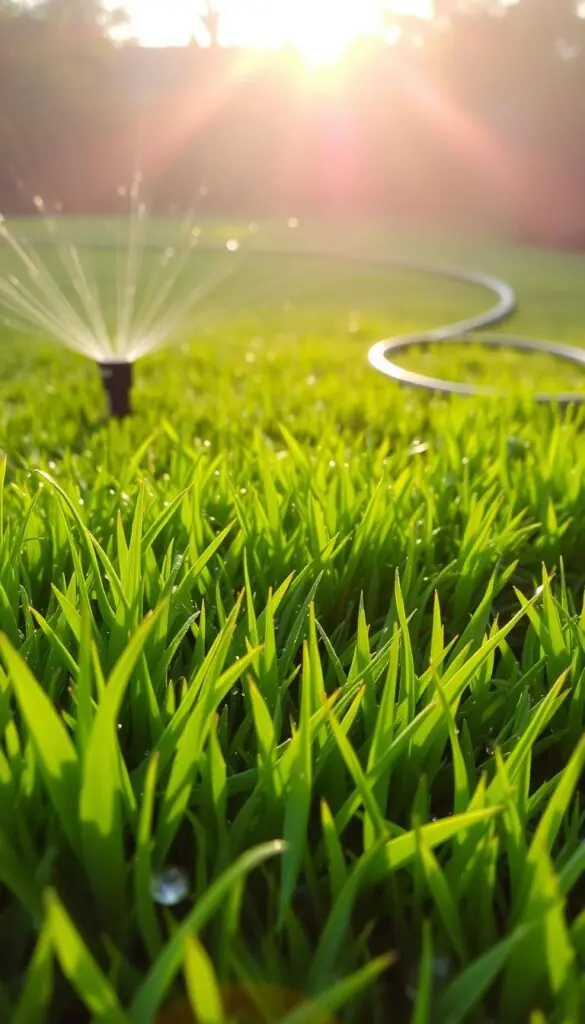
When you water with purpose—early and measured—you teach roots to grow down instead of staying near the surface. Cool morning air and quiet sprinklers mean less loss to evaporation and more water reaching the soil where it matters.
Set a simple schedule: aim for about 1–2 inches per week during the growing season. Use a rain gauge or a tuna can to measure how much your system delivers and include rainfall in that total.
Practical tips to keep things easy
Water deeply, then let the yard rest so grass roots chase moisture downward. Sandy soils need shorter, more frequent cycles; clay prefers slower, longer runs to avoid runoff.
Avoid nightly watering—wet leaves invite disease. Let footprints linger slightly before you water again; that faint impression is a simple cue your grass needs another soak.
- Water in the quiet, cool morning for best results.
- Aim for 1–2 inches per week, counting rain with a gauge or can.
- Place a few gauges around the yard and adjust sprinkler heads as needed.
- During fall, taper slowly as growth slows and temperatures drop.
- If you recently seeded, keep the top inch moist with light, frequent spritzing until seedlings root.
"Deep soaks build resilience—roots that reach down mean a greener, more drought-proof yard over time."
| Situation | Action | Why it helps |
|---|---|---|
| Sandy soil | Shorter, more frequent cycles | Prevents quick drainage and keeps topsoil moist for seeds |
| Clay soil | Longer, slower runs | Allows water to soak in without running off |
| New seed | Light, frequent misting | Keeps the top inch moist for germination without washing seed away |
Mow for Health: Blade Height, Sharpness, and Leaving the Clippings
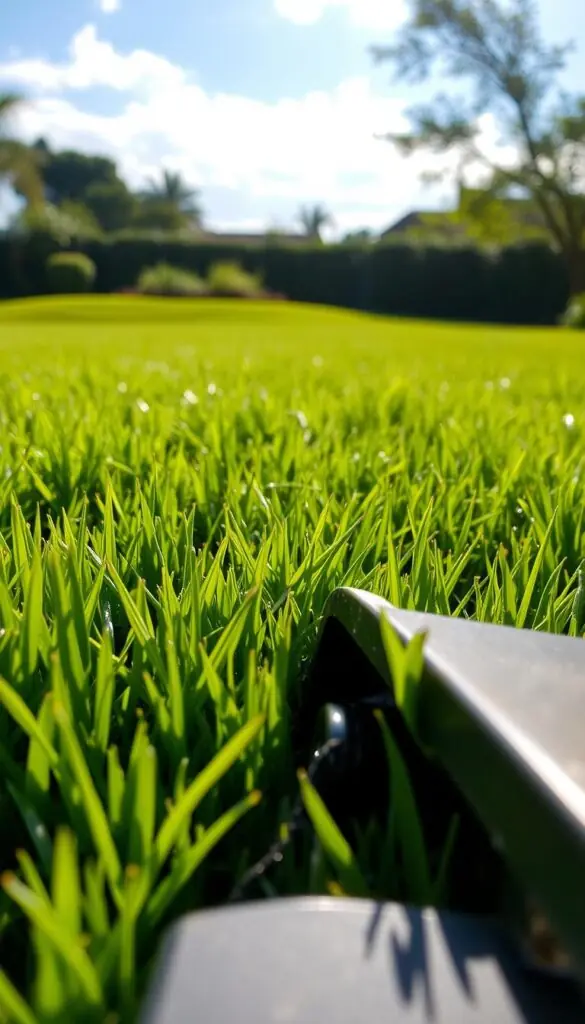
Small habits at the mower lead to big, steady results. Mowing the right way keeps grass dense, reduces weeds, and helps soil stay alive.
Follow the one-third rule: never cut more than one-third of the blade at once. That protects roots and keeps steady growth.
Set height, sharpen blades, and timing
Match mower height to your grass type and season. Raise the deck a notch in summer heat to shade soil and slow water loss. Aim to remove less than one-third of each blade.
Keep mower blades sharp. Clean cuts heal fast and lower disease risk. You’ll notice the clean, even hum of a sharp blade and the fresh-cut scent when you mow.
Mulch, clippings, and a tidy deck
- Use a mulching deck and leave clippings — they return nitrogen and act like light fertilizer.
- Mow when leaves and grass are dry so clippings spread evenly and don’t mat down.
- Alternate mowing patterns to avoid tracks and lean. Sharpen blades monthly for a quiet, smooth cut.
"A gentle, frequent trim keeps your yard looking good and the grass healthier over time."
| Action | Why it helps | When to do it |
|---|---|---|
| Set height by grass type | Reduces stress, improves root depth | At start of season and adjust in heat |
| Sharpen blades monthly | Clean cuts resist disease and heal faster | Every 4 weeks in active season |
| Leave clippings (mulch) | Returns nitrogen and organic matter | Whenever clippings are short and dry |
Keep Weeds in Check the Organic Way
Stopping weed seedlings before they get started saves you time and work all season. Prevention is calm and practical: a dense, healthy stand of grass shades soil and denies light to weed seeds.

Prevent first
Thicker turf wins. Mow at a recommended height, water deeply and infrequently, and feed gently so grass competes for space and nitrogen. Apply corn gluten meal in spring as a pre-emergent —but don’t use it if you plan to overseed.
Tools and technique
Pull small weeds after a rain when soil is soft. A weed fork lifts roots cleanly and reduces regrowth. Take care to remove the whole root, not just the top growth.
Products and cautions
Spot-treat only where needed. Citrus-oil herbicides can desiccate foliage but won’t fix soil compaction. Household vinegar mixes are nonselective; they may need repeats and salt will harm soil long term. Use vinegar in cracks, not on turf.
- Top-dress thin areas with compost in late summer or fall and reseed to thicken the stand.
- Read labels and follow timing to protect nearby plants.
"Prevention and careful spot work save time and keep your yard healthier over the long run."
| Action | When | Why it helps |
|---|---|---|
| Corn gluten meal | Early spring | Prevents seed germination (avoid if overseeding) |
| Weed fork | After rain | Lifts full root for lasting removal |
| Compost top-dress | Late summer/fall | Improves soil, thickens turf, reduces weeds |
Protect Without Harm: Organic Options for Pests and Disease
You can manage common pests and disease while keeping pollinators safe and soil life intact. Start by inviting helpful insects and keeping treatments precise.
Invite helpers and use nematodes at the right time
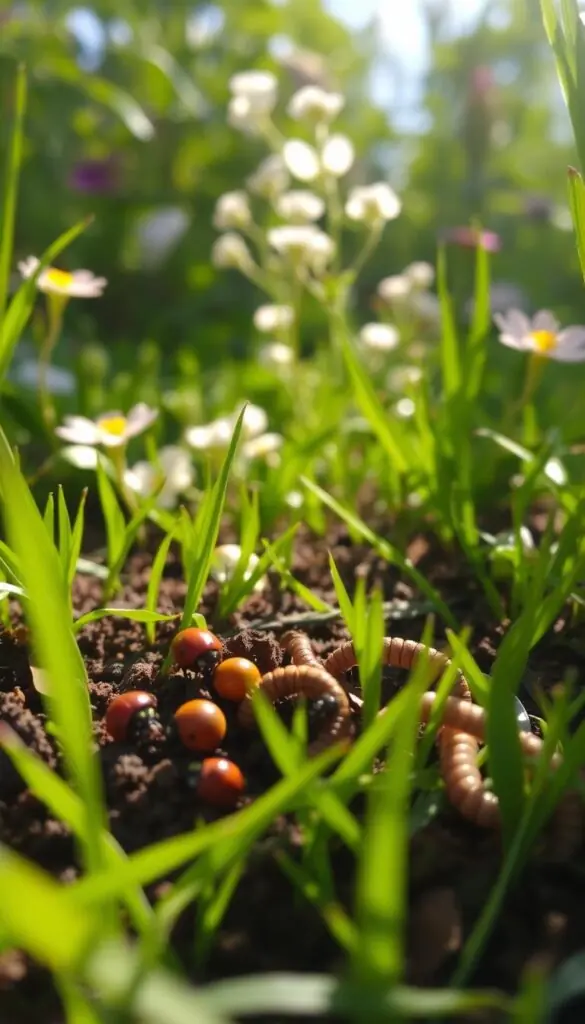
Plant a narrow flowering border to attract lady beetles, lacewings, and native pollinators.
Beneficial nematodes work well on grubs when soil is warm and larvae are active. Apply and water in as the product directs.
Products that work and how to apply them
- Use Bt for caterpillars — it must be eaten to work.
- Neem oil suppresses soft-bodied insects and some fungal issues; spray in the evening to protect pollinators.
- Dust diatomaceous earth along edges for crawling pests; avoid windy days to limit drift.
- Mineral oil and potassium salts of fatty acids can help specific pests; always follow the label.
Safety, timing, and simple rules
Spot-treat rather than blanket-spraying to preserve beneficial organisms in soil and on grass.
Keep a short log of date, product, weather, and result to refine your approach.
| Product | Best use | When |
|---|---|---|
| Beneficial nematodes | Grub control | Warm soil, spring or late summer |
| Bacillus thuringiensis (Bt) | Caterpillars | At first feeding signs |
| Neem / mineral oils | Soft-bodied insects, mildew | Evening applications |
"If you can't identify the pest, pause and ask — the right product and timing make all the difference."
Your Seasonal Organic Lawn Care Calendar
A clear calendar helps you match chores to weather and soil needs. Use these short, seasonal checklists to pace your work and save time.
Spring
Rake lightly to wake the grass and lift winter debris. Top-dress with 1/4 inch of compost to add organic matter and improve soil structure.
Overseed thin spots and brush seed into the surface so it contacts soil. Time corn gluten meal before weed seeds sprout — apply only if you are not seeding immediately.
Tools: rake, spreader, hand broom. Sharpen blades and set mower height for spring growth.
Summer
Water at dawn, deeply and less often to train roots. Raise the mower deck to shade the soil and reduce stress.
Scout weekly for pests and spot-treat with targeted products. Skip heavy feeding; focus on steady maintenance and watching soil moisture.
Fall
Core aerate cool-season lawns and overseed. Brush seed into cores and top-dress with compost to feed roots for winter.
Apply a light, slow-release organic fertilizer to support root growth. Keep mowing until growth slows; lower the deck slightly on your last cut in cold regions.
Winter
Remove wet leaves so they don’t mat and block light. Avoid walking on frozen turf to prevent damage.
Service tools now: clean the deck, sharpen blades, and calibrate your spreader for next season. Little winter maintenance saves hours in spring.
"Watch weather and soil, and adjust timing rather than following a calendar blindly."
All year: follow simple maintenance rhythms for water, mowing, and seed work. This steady approach keeps weeds low and builds soil health for a resilient lawn.
Troubleshooting: Simple Fixes for Brown Spots, Weeds, and Compaction
A quick walk through your yard can tell you more than a long checklist. Look for texture and smell: crunchy, gray-green blades read like thirst. Soft, musty patches often point to disease or poor drainage.
Reading the signs:
- Crunchy blades and lingering footprints mean drought—water deeply in the morning and check coverage.
- Slimy, discolored patches suggest disease—improve airflow, sharpen your mower blade, and avoid night watering.
- Standing water signals drainage trouble—top-dress with compost and consider core aeration.
Compaction clues and quick relief:
- Threadbare paths and hard soil are compaction zones—use a plug aerator and add organic matter to help roots breathe.
- Rotate footpaths and move play areas briefly to let grass recover.
- Spot-pull weeds after rain, then press a pinch of seed and a dusting of compost onto the bare spot.
"Lightly scratch the surface, sprinkle seed, keep the top inch moist until seedlings root."
| Problem | Likely cause | Quick fix |
|---|---|---|
| Brown, crunchy patches | Drought or shallow roots | Deep morning soak, check sprinkler coverage |
| Slimy, irregular spots | Fungal disease or overwatering | Reduce night water, mow sharp, improve airflow |
| Threadbare paths | Soil compaction | Core aerate, add compost, reseed |
| Sudden weed burst | Thin turf or recent disturbance | Raise mower height, overseed, spot-pull after rain |
Conclusion
When soil and routine work together, your outdoor space becomes simpler to manage and more joyful.
You now have a clear, natural way to grow a healthy lawn by putting soil first. With compost, gentle fertilizers, and smart watering, your grass will stay greener with less stress.
By trading broad synthetic chemicals for steady, living soil approaches, you build a self-sustaining system that favors biodiversity and safety for family and pets. Small seasonal habits — sharpening blades, top-dressing, light overseeding — add up over time.
Keep notes, adjust to weather, and trust the process. Step outside at dusk, breathe the fresh, earthy scent, and enjoy the soft, green space you grew.
FAQ
What does a soil test tell me and how do I collect a good sample?
A soil test shows pH, nutrient levels, and sometimes organic matter. Use a clean trowel or soil probe and take 8–10 cores from the top 4–6 inches across the area, mix them in a clean bucket, and send a composite sample to your county extension office or a reputable lab. Many extension services and garden centers also sell DIY kits with clear instructions.
My test says the pH is low. What target should I aim for and how do I fix it?
Most cool- and warm-season grasses do best around pH 6.5–7.0. If the pH is acidic, apply lime per the lab’s recommendation; if too alkaline, elemental sulfur or composted organic matter can help. Follow the suggested rates and re-test in 6–12 months before making big changes.
How do I choose amendments once I have test results?
Match amendments to the specific deficiencies shown. Use gypsum for sodium or structural issues, compost to raise organic matter, and mineral products like langbeinite for potassium and magnesium when needed. Always follow product labels and err on the conservative side with rates.
Should I aerate, and which tool is best — spike or plug?
If soil is compacted or roots are shallow, aerate. Plug (core) aerators remove plugs and give the best long-term relief. Spike aerators can make compaction worse on heavy soils, so use them only on sandy ground or light compaction.
When is the best time to aerate for my grass type?
For cool-season grasses, aerate in early spring or fall when growth is active. For warm-season grasses, late spring to early summer after green-up is best. Time aeration to match peak root growth for faster recovery.
How do I know if I have too much thatch and what should I do?
Thatch over 1/2 inch can block water and nutrients. Pull up a small plug; if you see a dense, spongy brown layer between soil and green growth, you need dethatching. Use a dethatching rake or a power dethatcher, and follow with aeration and topdressing.
How much compost should I top-dress and how often?
Top-dress with 1/4–1/2 inch of well-aged compost once a year, ideally in fall for cool-season turf or late spring for warm-season varieties. This adds organic matter, feeds microbes, and improves soil structure without burying crowns.
Can I brew compost tea and what does it do?
Yes — a short-brewed, aerated compost tea introduces beneficial microbes to the surface and can help suppress disease. Use high-quality compost, brew 24–48 hours, and apply with a sprayer early morning. Don’t store brewed tea more than a day.
What natural fertilizer ingredients should I look for?
Look for slow-release nitrogen sources like feather meal, phosphorus from bone meal (used per label), and potassium from seaweed or kelp. These materials feed plants gently and support steady growth without burning turf.
When should I feed and how do I avoid over-application?
Focus feeding in spring and fall for cool-season grasses and in late spring for warm-season types. Apply evenly with a spreader, follow label rates, and avoid applying before heavy rain. Over-applying causes excess top growth, thatch, and runoff.
How do I choose a grass species that fits my climate?
Pick cool-season varieties like Kentucky bluegrass, fescues, or perennial rye for northern climates and warm-season species like Bermuda, zoysia, St. Augustine, or buffalograss for southern areas. Match mowing height and irrigation to the species for best results.
What mowing height and practices reduce stress and disease?
Mow to recommended heights for your grass type and never remove more than one-third of blade length at once. Keep blades sharp, mow when dry, and leave clippings to return nutrients and organic matter to the soil.
How often and how deeply should I water?
Water deeply and infrequently to encourage deep roots. Aim for about 1–2 inches per week total, applied in one or two early-morning sessions. Use a rain gauge or cup to measure output and adjust for rainfall and heat.
What prevents weeds naturally and when does corn gluten meal fit in?
Dense turf, proper mowing, correct watering, and overseeding thin spots are the best prevention. Corn gluten meal can work as a pre-emergent when applied at the right time for your region, but it won’t control established weeds.
Which hand tools help remove weeds effectively?
Use a weed fork or hori hori knife to remove the whole root, especially for deep tap-rooted weeds. Pull after watering or rain when soil is soft, and dispose of seed-producing weeds to prevent spread.
Can organic herbicides like vinegar be used safely on turf?
Household vinegar can burn grass and is non-selective; horticultural vinegar at higher strengths should be used with care and spot-treated. Organic herbicides can work for spot control but often require repeat applications and precise timing.
How do I manage pests and diseases without harsh chemicals?
Encourage beneficial insects, use biologicals like Bacillus thuringiensis (Bt) for specific pests, and apply neem oil or insecticidal soaps for soft-bodied pests. Follow product labels, protect pollinators by avoiding bloom time, and target treatments early.
When should I apply beneficial nematodes?
Apply beneficial nematodes when soil temperatures and moisture support their activity — usually late spring to early summer for many soil pests. Keep soil moist before and after application and follow supplier instructions for best results.
What does a seasonal maintenance calendar look like?
Spring: light rake, top-dress with compost, overseed, and time pre-emergents. Summer: conserve water, raise mower height, watch for pests and spot-treat. Fall: aerate, overseed, and feed to build roots. Winter: clear leaves, avoid walking on frozen turf, and service tools.
How do I diagnose brown spots — drought, disease, or pests?
Check soil moisture, look for patterns (random vs. patchy), examine blades and crowns for discoloration or fungal signs, and dig a small plug to inspect roots. Drought often shows uniform wilting; disease may show lesions; pests can leave chewed or dead patches.
What quick steps fix compacted areas?
Aerate with a core aerator, top-dress with compost, and overseed if needed. Avoid heavy traffic until recovery, and consider adding organic matter over time to improve soil structure and drainage.